Coffee plantation worker picking ripe coffee cherries by hand
1344×768 · AVIF · CC BY 4.0
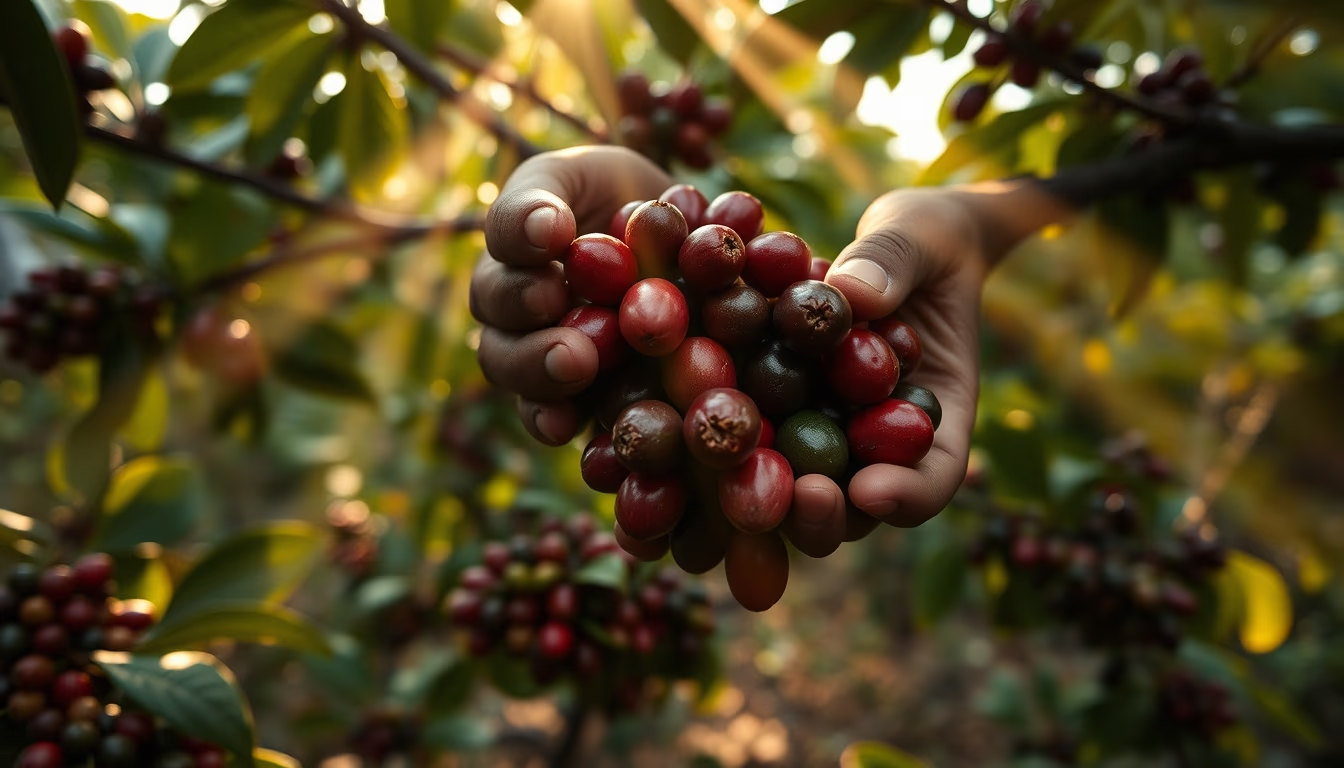
Rural worker hand-picks ripe coffee cherries on a Brazilian farm, a precise practice that ensures superior bean quality.
About this subject
Manual coffee harvesting is a tradition dating back to the 18th century in Brazil, where coffee cultivation became a pillar of the national economy. Unlike mechanical harvesting, which indiscriminately knocks down both green and ripe fruits, manual selection allows only cherries at the ideal ripeness point to be picked. This care is essential for producing specialty coffees, which require uniformity and natural sweetness.
In Brazil, the world's largest coffee producer and exporter, manual harvesting still predominates in mountainous regions such as Serra da Mantiqueira and southern Minas Gerais, where steep terrain makes machines unfeasible. The worker uses baskets or bags strapped to the waist and walks along the coffee rows, picking only the ripe fruits, which are intense red or yellow. This process, called "selective harvesting," can last months and requires experience to identify the exact ripeness point.
Brazilian coffee farming employs about 8 million people across the production chain, according to Embrapa. Although slower and more expensive than mechanized harvesting, manual picking values human labor and adds value to the final product, especially in international markets that pay premiums for origin and selectively harvested coffees. Additionally, the practice keeps rural culture and knowledge passed down through generations of farmers alive.
Interestingly, the harvest season varies by region and altitude. In Brazil, the main harvest occurs between May and September, but in high-altitude areas like the Cerrado Mineiro, ripening can extend into October. Choosing the right moment is crucial: harvesting before the point results in immature, acidic beans; after, in unwanted fermentation. Experienced workers assess color, firmness, and even the sound the cherry makes when detached from the branch.
Frequently Asked Questions
Why is manual coffee harvesting considered superior to mechanical?
Manual harvesting allows selecting only ripe fruits, ensuring uniformity and superior quality. Mechanical harvesting knocks down all fruits, mixing green and ripe, which can compromise the final coffee flavor.
In which regions of Brazil is manual coffee harvesting still predominant?
In mountainous regions such as Serra da Mantiqueira and southern Minas Gerais, where steep terrain prevents the use of mechanical harvesters.
What is the coffee harvest season in Brazil?
The main harvest occurs between May and September, but in high-altitude areas like the Cerrado Mineiro, it can extend into October.
Direct URL
https://pub-c7d6a6ea828543ac903a74a341ccb2e1.r2.dev/imagens/coffee-plantation-worker-picking-ripe-coffee-cherries-by-hand-editorial-overcast-daytime-6.avifHow to credit
Include a visible link back to UtilizAí. Copy one of the snippets below:
<a href="https://xn--utiliza-eza.com/en/midia/imagens/coffee-plantation-worker-picking-ripe-coffee-cherries-by-hand-editorial-overcast-daytime-6">Coffee plantation worker picking ripe coffee cherries by hand</a> by <a href="https://xn--utiliza-eza.com">UtilizAí</a>, licensed under <a href="https://creativecommons.org/licenses/by/4.0/">CC BY 4.0</a>.
[Coffee plantation worker picking ripe coffee cherries by hand](https://xn--utiliza-eza.com/en/midia/imagens/coffee-plantation-worker-picking-ripe-coffee-cherries-by-hand-editorial-overcast-daytime-6) by [UtilizAí](https://xn--utiliza-eza.com), CC BY 4.0
License: CC-BY-4.0