Cocoa beans drying
1344×768 · AVIF · CC BY 4.0
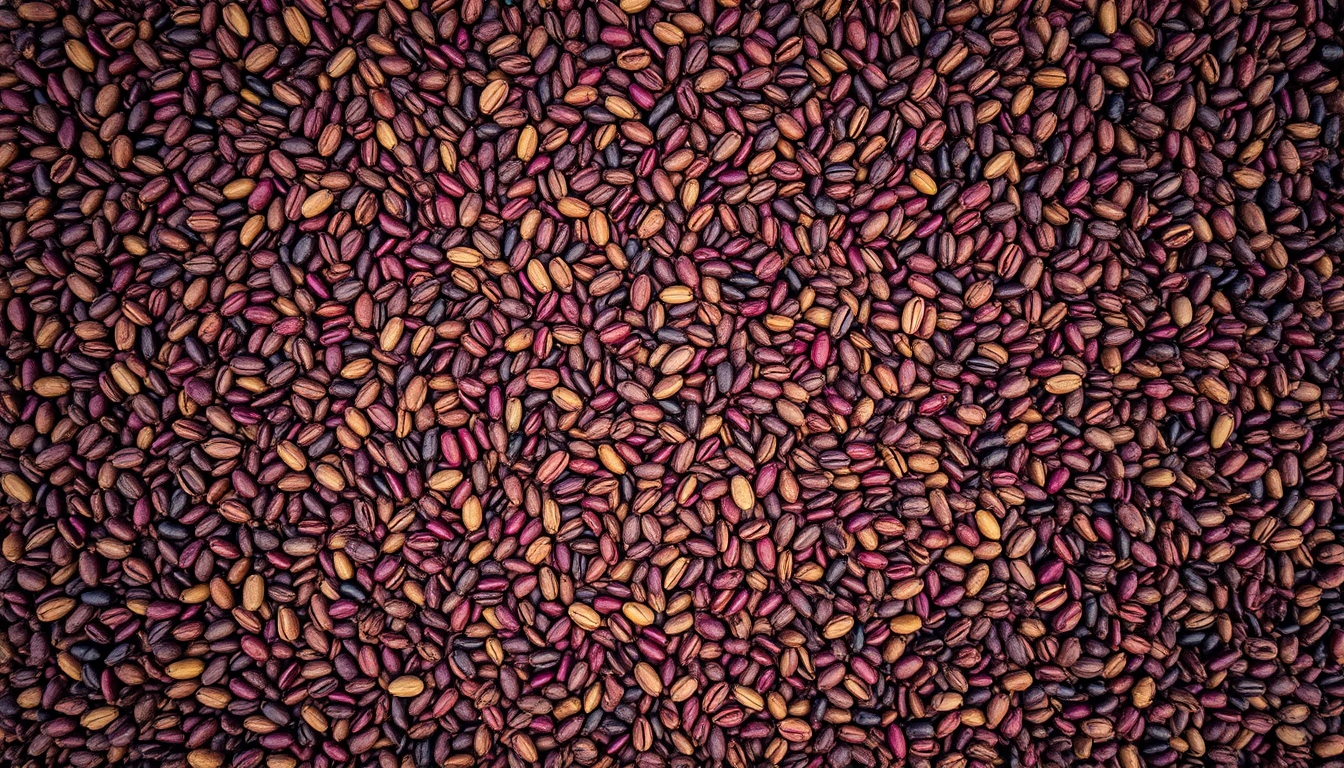
A secagem dos grãos de cacau é uma etapa crucial na produção de chocolate, influenciando diretamente o sabor e a qualidade final do produto.
Sobre o tema
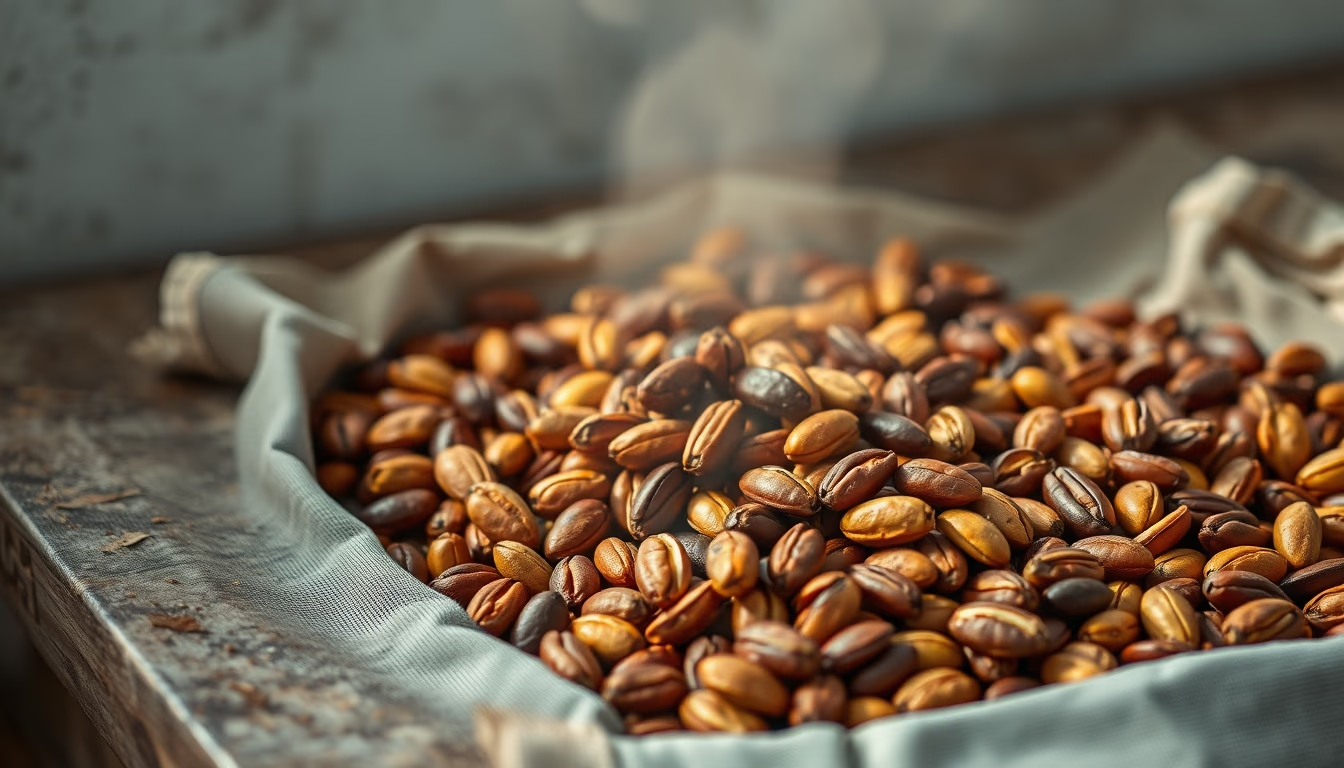
A secagem dos grãos de cacau é uma etapa fundamental após a fermentação, reduzindo a umidade de cerca de 60% para aproximadamente 7,5%. Esse processo pode ser realizado ao sol, em secadores mecânicos ou em estufas, dependendo da região e da escala de produção. No Brasil, especialmente na região sul da Bahia, a secagem ao sol é tradicional, com grãos espalhados em terreiros ou bandejas suspensas, virados regularmente para garantir uniformidade. Esse método, além de econômico, permite que os grãos desenvolvam aromas complexos, já que a exposição aos raios UV e à brisa contribui para reações químicas que reduzem a adstringência e a acidez.
A duração da secagem varia de 5 a 10 dias, dependendo das condições climáticas. O ponto ideal é quando os grãos quebram com um estalo característico, indicando que estão prontos para o armazenamento e transporte. No entanto, o processo exige cuidado: secagem muito rápida pode endurecer a casca e prender umidade interna, favorecendo fungos; muito lenta pode levar à fermentação excessiva ou contaminação. Países como Costa do Marfim e Gana, que respondem por mais de 60% da produção mundial, utilizam predominantemente a secagem solar, enquanto na Indonésia e em algumas regiões brasileiras, secadores mecânicos são adotados para garantir qualidade em climas úmidos.
A secagem não só conserva os grãos para transporte, mas também define o perfil sensorial do chocolate. Grãos bem secos originam chocolates com notas frutadas e florais, enquanto problemas na secagem podem resultar em sabores defumados, amargos ou metálicos. Técnicas modernas, como secagem controlada em temperatura e umidade, permitem maior padronização, mas a tradição ainda valoriza a secagem natural, associada a chocolates finos e de origem. No Brasil, iniciativas de certificação e boas práticas têm buscado melhorar a qualidade da secagem, essencial para reposicionar o cacau brasileiro no mercado internacional.
Perguntas frequentes
Por que a secagem dos grãos de cacau é importante?
A secagem reduz a umidade para evitar fungos e fermentações indesejadas, além de desenvolver aromas que definirão o sabor do chocolate.
Quanto tempo leva a secagem natural do cacau?
Em média, de 5 a 10 dias ao sol, com viragens frequentes para garantir secagem uniforme.
Quais os riscos de uma secagem mal feita?
Secagem muito rápida pode prender umidade interna e causar mofo; muito lenta pode levar a fermentação excessiva, resultando em sabores indesejados.
URL direta
https://pub-c7d6a6ea828543ac903a74a341ccb2e1.r2.dev/imagens/cocoa-beans-drying-aerial-drone-shot-fresh14.avifComo creditar
Inclua um link visível de volta pro UtilizAí. Copie um dos snippets abaixo:
<a href="https://xn--utiliza-eza.com/midia/imagens/cocoa-beans-drying-aerial-drone-shot-fresh14">Cocoa beans drying</a> by <a href="https://xn--utiliza-eza.com">UtilizAí</a>, licensed under <a href="https://creativecommons.org/licenses/by/4.0/">CC BY 4.0</a>.
[Cocoa beans drying](https://xn--utiliza-eza.com/midia/imagens/cocoa-beans-drying-aerial-drone-shot-fresh14) by [UtilizAí](https://xn--utiliza-eza.com), CC BY 4.0
Licença: CC-BY-4.0