Cobbler workbench
1344×768 · AVIF · CC BY 4.0

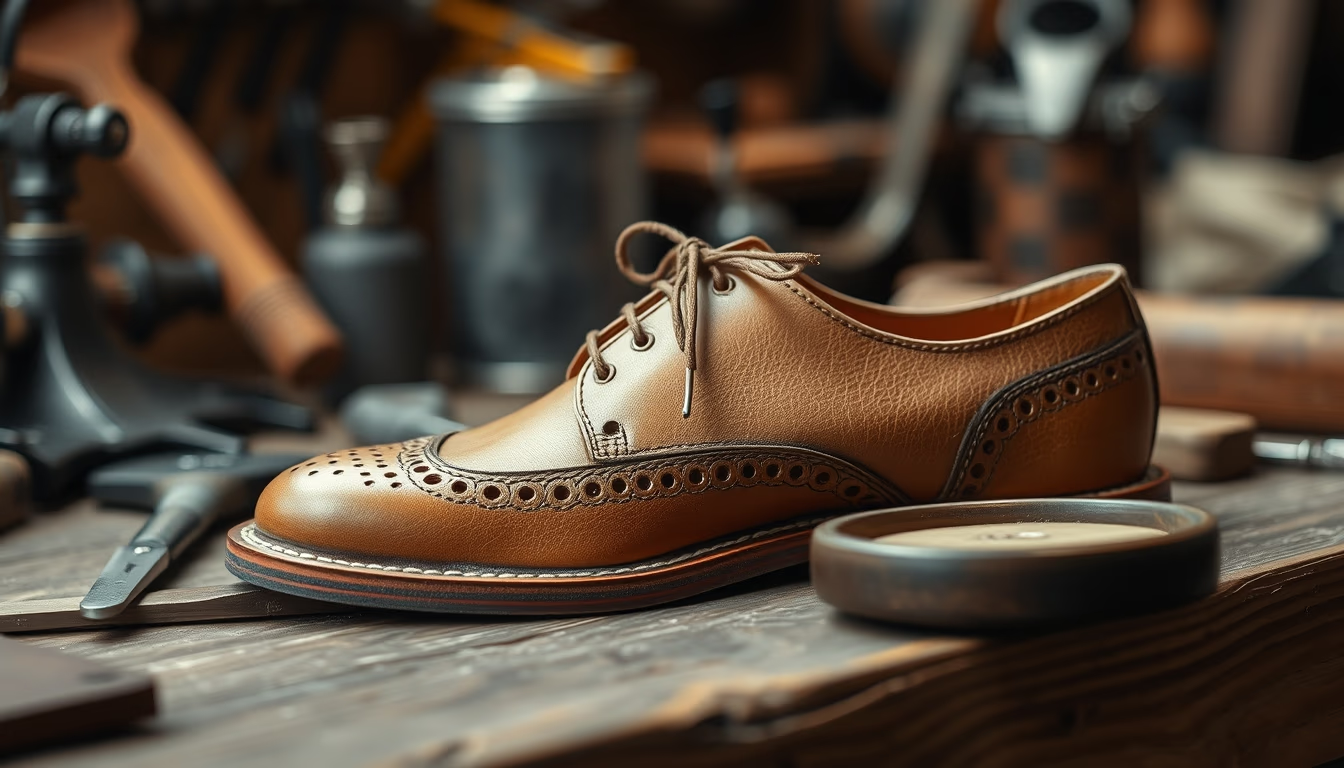
The cobbler workbench is the heart of the artisan craft of repairing and making shoes, bringing together hand tools and knowledge passed down through generations.
About this subject
A cobbler workbench is a sturdy, functional piece of furniture, typically made of solid wood, designed to withstand the heavy use of tools such as hammers, lasts, awls, needles, and waxed threads. On its surface, the artisan performs every step of shoe repair or making, from molding leather to final stitching. The top often bears signs of wear, notches, and grease stains, telling a story of years of labor.
The tradition of handmade shoemaking in Brazil has deep roots, especially in cities like Franca (SP) and Novo Hamburgo (RS), major footwear hubs that still value manual craftsmanship. The cobbler was once a familiar figure on neighborhood corners, repairing soles and heels, but industrialization drastically reduced their numbers. Today, the cobbler workbench symbolizes the resilience of handmade goods and the push for sustainability, as repairing a pair of shoes is more eco-friendly than buying new ones.
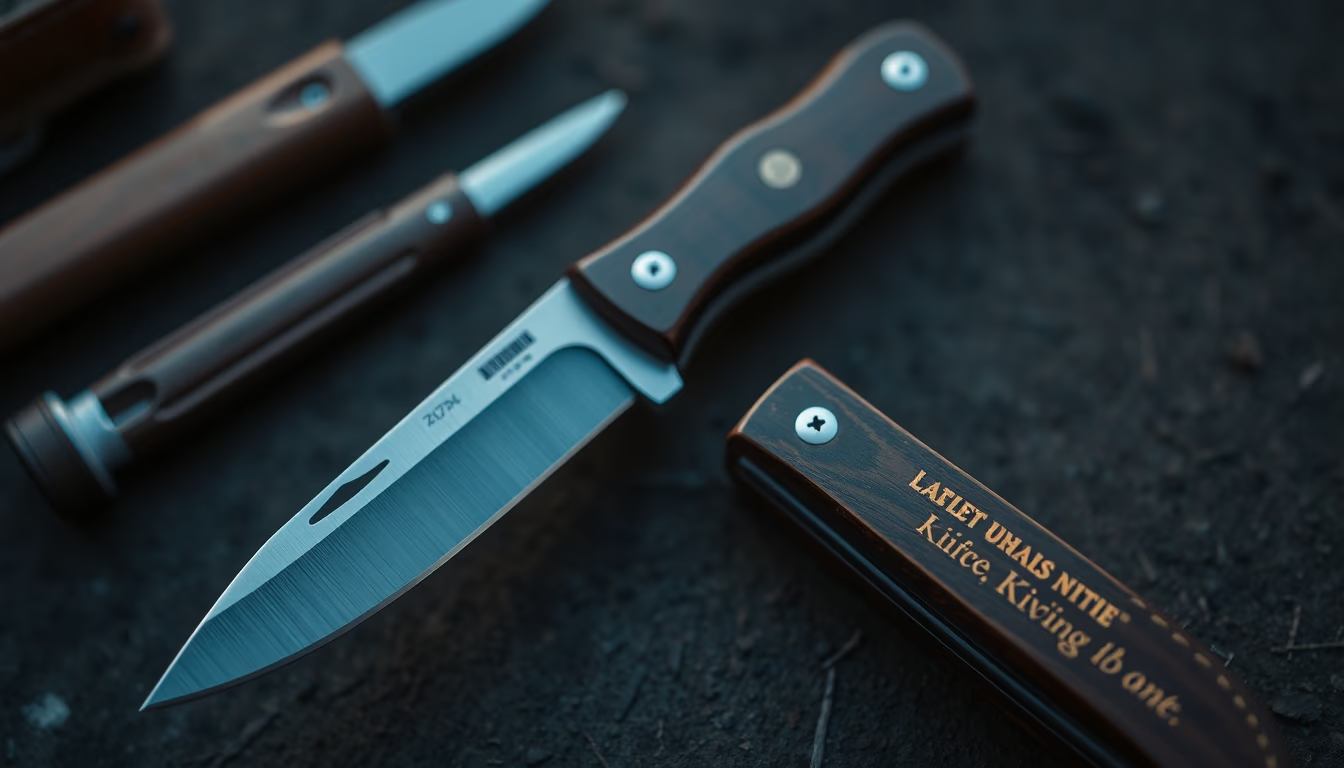
Typical tools on a workbench include the cobbler's hammer (with a flat face and a forked side for tacking nails), the anvil, a saw for cutting rubber or leather soles, and a curved needle for hand stitching. The wooden last is essential for shaping the shoe during repair. Techniques like the mattress stitch or the use of leather pegs are hallmarks of artisan work, which differs from mass production by attention to detail and durability of the result.
Interestingly, the word "cobbler" in English also refers to a fruit pie, but its origin traces back to the trade of mending shoes. In many cultures, the cobbler was seen as a humble yet essential professional. With the slow fashion movement and appreciation of handicrafts, the cobbler workbench has gained new attention, featuring in workshops and design fairs. A long-exposure photograph of a workbench, with its tools and possible light trails, captures the patience and precision of this ancient craft.
Frequently Asked Questions
What essential tools are found on a cobbler's workbench?
Basic tools include a cobbler's hammer, wooden last, awl, curved needle, waxed thread, anvil, sole saw, and pulling pliers. Each tool serves a specific purpose in shoe repair or making.
How does manual cobbling compare to industrial production?
Manual work offers greater attention to detail, customized fit, and superior durability, while industrial production is faster and cheaper but often results in less durable and standardized footwear.
Where can artisan cobblers be found in Brazil?
Artisan cobblers can still be found in traditional neighborhoods of large cities, at craft fairs, or in footwear hubs like Franca (SP) and Novo Hamburgo (RS). Many also offer services online or in specialized repair shops.
Direct URL
https://pub-c7d6a6ea828543ac903a74a341ccb2e1.r2.dev/imagens/cobbler-workbench-long-exposure-fresh9.avifHow to credit
Include a visible link back to UtilizAí. Copy one of the snippets below:
<a href="https://xn--utiliza-eza.com/en/midia/imagens/cobbler-workbench-long-exposure-fresh9">Cobbler workbench</a> by <a href="https://xn--utiliza-eza.com">UtilizAí</a>, licensed under <a href="https://creativecommons.org/licenses/by/4.0/">CC BY 4.0</a>.
[Cobbler workbench](https://xn--utiliza-eza.com/en/midia/imagens/cobbler-workbench-long-exposure-fresh9) by [UtilizAí](https://xn--utiliza-eza.com), CC BY 4.0
License: CC-BY-4.0