Climbing wall gym indoor
1344×768 · AVIF · CC BY 4.0
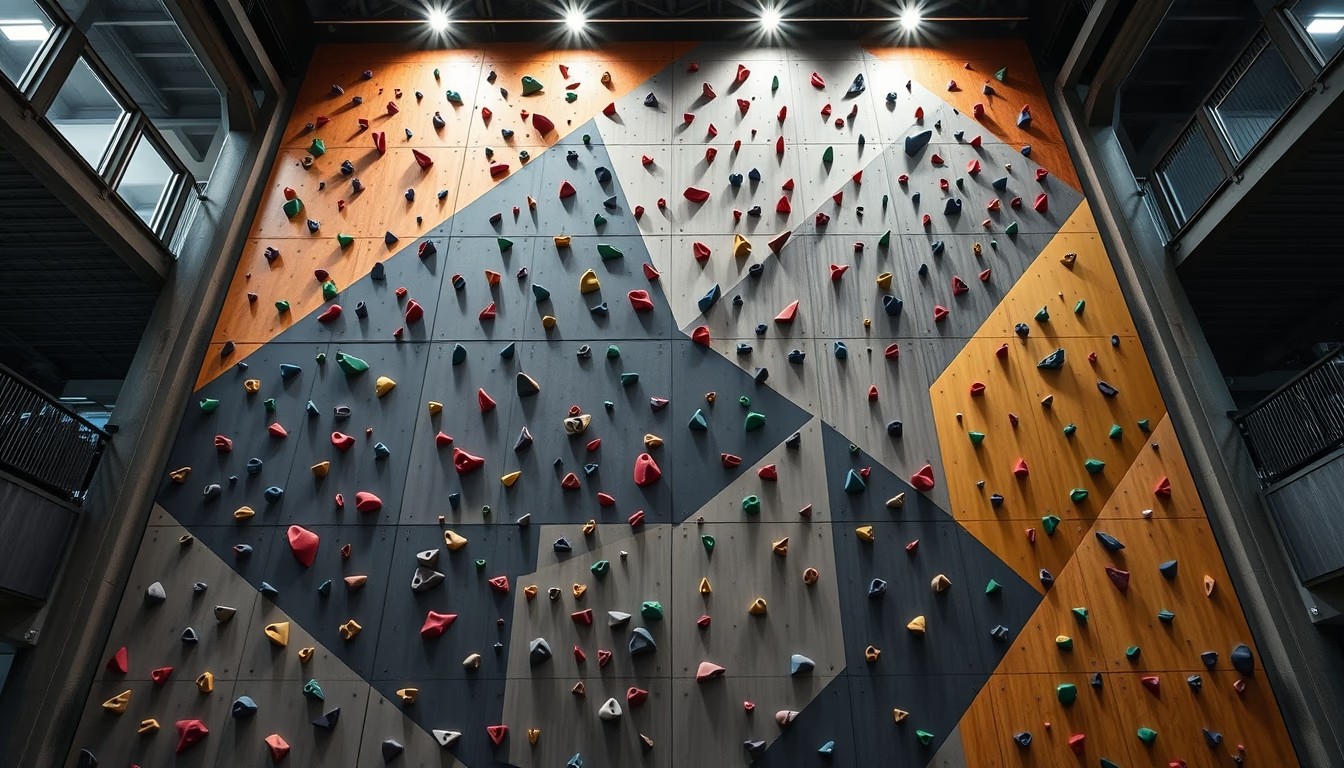
Indoor climbing walls blend sport, architecture, and fitness trends in vertical spaces that are increasingly popular worldwide.
About this subject
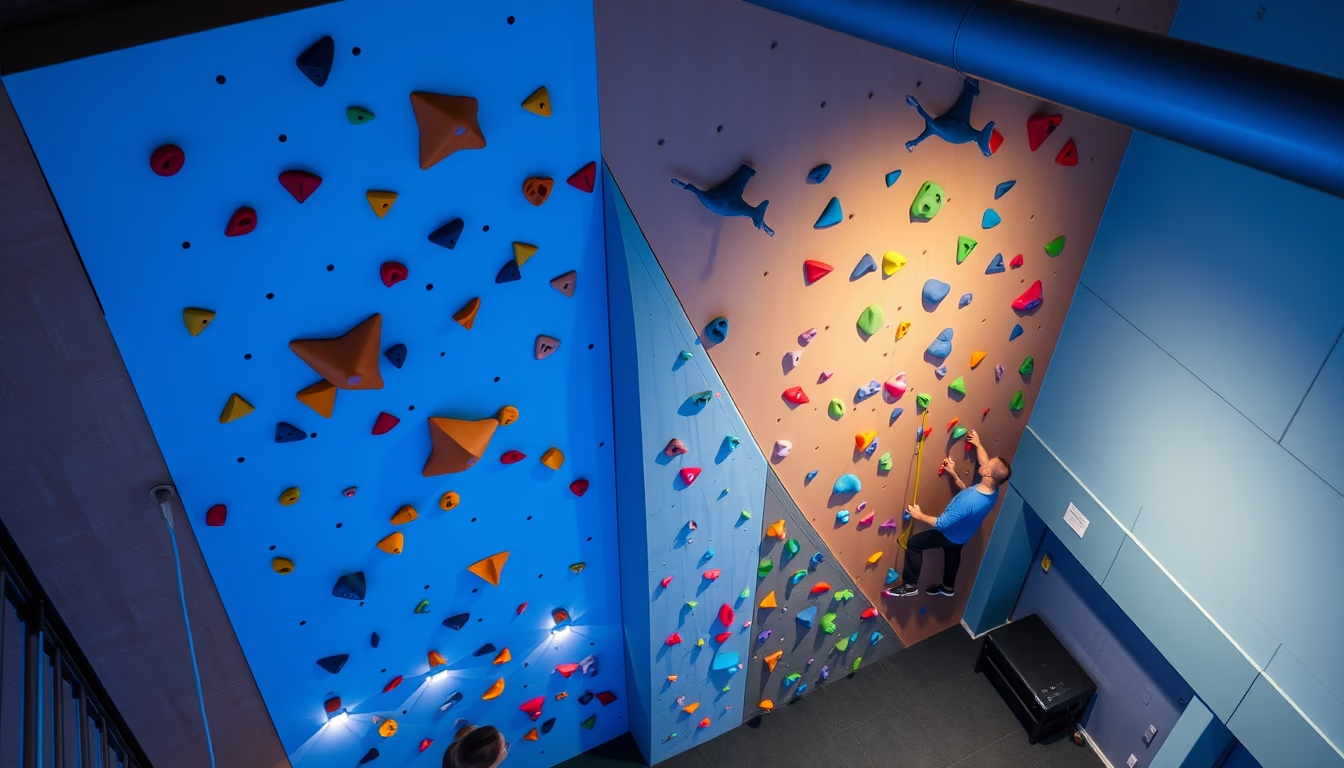
Indoor climbing walls have turned mountain sports into an accessible urban activity. Originally built for mountaineer training, they now form the core of specialized gyms. These artificial structures replicate natural rock with colorful holds that define routes of varying difficulty, supporting disciplines like bouldering, top rope, and lead climbing. The sport debuted at the Tokyo 2020 Olympics, fueling global growth. In Brazil, cities such as São Paulo, Rio de Janeiro, and Belo Horizonte host dozens of climbing gyms, attracting beginners and competitors alike.
The architecture of these spaces is a key feature. Walls reaching 15 meters or more incorporate overhangs, roofs, and corners to simulate real challenges. Materials like marine plywood and resin ensure durability and safety, padded floors meet regulated thickness to cushion falls. Strategic lighting highlights routes and creates an immersive atmosphere, while ventilation controls chalk dust. Many gyms also include functional training areas and cafes, becoming social hubs.
Indoor climbing develops spatial reasoning and mental resilience. Each route is a puzzle: climbers analyze holds, plan movements, and execute with precision. It's a low-impact sport that strengthens arms, back, and core, but also demands technique and flexibility. The climbing community is known for its welcoming culture, beginners find instructors and groups to progress. With the 'trending-2026' forecast, climbing walls may integrate into traditional gyms and corporate spaces, reinforcing their role in urban health and recreation.
Frequently Asked Questions
What are the main types of climbing practiced on indoor walls?
The three main types are bouldering (low walls without ropes, focusing on explosive moves), top rope (fixed rope at the top, ideal for beginners), and lead climbing (clipper clips the rope into quickdraws while ascending, requiring more technique).
Is indoor climbing safe for beginners?
Yes, with proper gear (climbing shoes, rope, harness) and supervision. Gyms offer basic courses and equipment rental. Padded floors and anchoring systems minimize injury risk.
How did indoor climbing become a fitness trend globally?
Its Olympic debut in Tokyo 2020 and the desire for playful, full-body workouts drove popularity. Modern gyms feature design, cafes, and social spaces, attracting diverse demographics.
Direct URL
https://pub-c7d6a6ea828543ac903a74a341ccb2e1.r2.dev/imagens/climbing-wall-gym-indoor-architectural-photography-p0.avifHow to credit
Include a visible link back to UtilizAí. Copy one of the snippets below:
<a href="https://xn--utiliza-eza.com/en/midia/imagens/climbing-wall-gym-indoor-architectural-photography-p0">Climbing wall gym indoor</a> by <a href="https://xn--utiliza-eza.com">UtilizAí</a>, licensed under <a href="https://creativecommons.org/licenses/by/4.0/">CC BY 4.0</a>.
[Climbing wall gym indoor](https://xn--utiliza-eza.com/en/midia/imagens/climbing-wall-gym-indoor-architectural-photography-p0) by [UtilizAí](https://xn--utiliza-eza.com), CC BY 4.0
License: CC-BY-4.0