Cinema theater empty seats
1344×768 · AVIF · CC BY 4.0
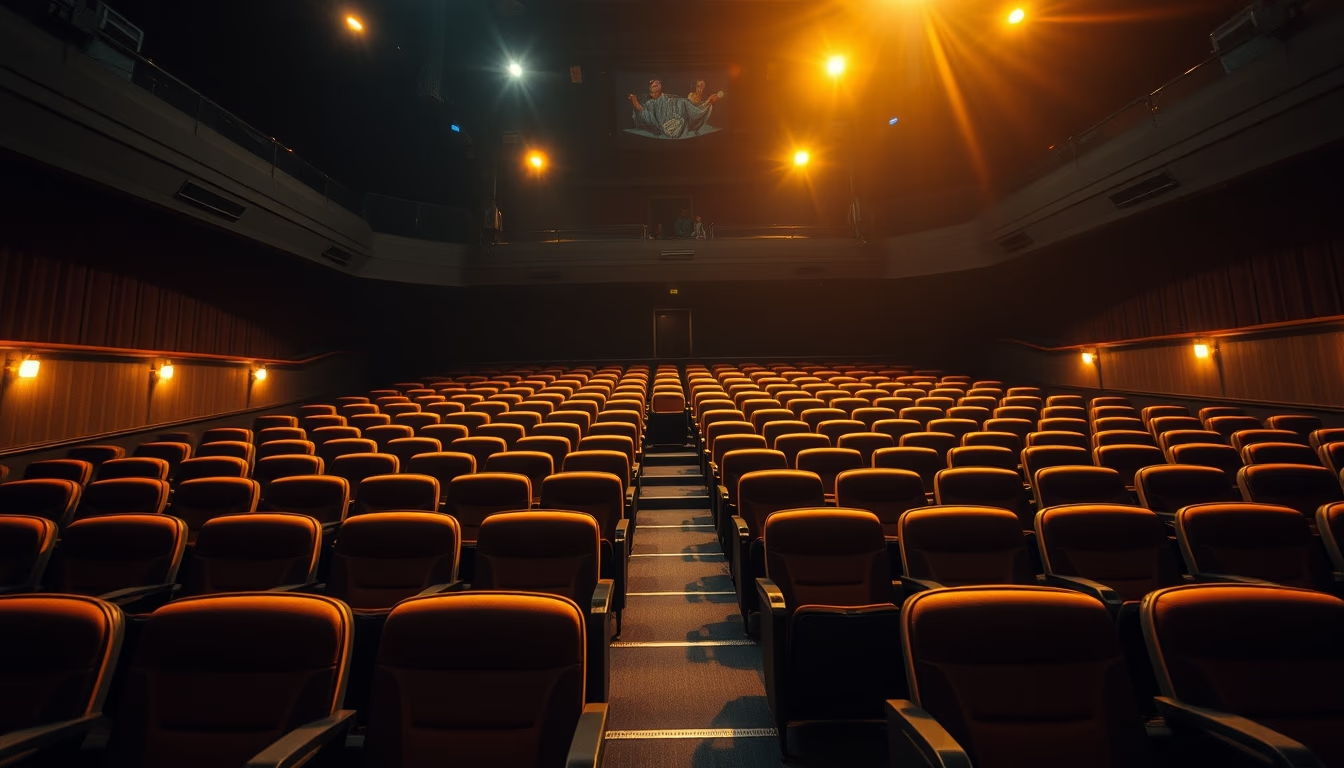
The image shows an empty cinema theater with rows of red seats and a blank screen, evoking the silence before or after a screening.
About this subject
Cinema is one of the most iconic forms of collective entertainment. Since the late 19th century, dark halls have brought people together to share moving stories. An empty cinema theater, like the one in the image, carries an interesting duality: it can represent the moment of anticipation before the film begins or the solitude of a poorly attended screening. The red seats, common in many theaters, have a historical reason: red is a color that adapts better to human vision in dim light, and it is also associated with the luxury and glamour of early movie palaces.
The tiered arrangement of rows, visible in the photo, is a careful acoustic and visual design. The sloped format ensures that all viewers have an unobstructed view of the screen. The silence of an empty room contrasts with the usually vibrant atmosphere of crowded cinemas. This contrast became even more striking after the COVID-19 pandemic, when many theaters remained closed for long periods, leading to reflection on the future of cinema as a physical experience. Data from the National Association of Theater Owners (NATO) shows that in 2020, the total audience in U.S. cinemas dropped by over 80% compared to the previous year.
Culturally, going to the movies goes beyond the film itself. It involves rituals like buying popcorn, choosing a seat, and dimming the lights. An empty room can be an invitation to introspection, but also raises questions about the sustainability of traditional exhibition halls in the face of streaming services. Some cinemas innovate with VIP seats, in-theater dining, and advanced projection technologies like 4K or IMAX to attract audiences. The mood of a silent theater is almost cinematic in itself.
Trivia: the largest cinema complex in the world is Kinepolis Madrid, with 25 screens and a capacity of over 9,000 people. The smallest cinema in the world is Cinema Paraíso in Piranhas, Alagoas, Brazil, with only 12 seats. The image of empty seats reminds us that each place in the room represents a story to be lived, an emotion to be felt, or a moment of pause in daily routine.
Frequently Asked Questions
Why are movie theater seats usually red?
The color red adapts better to human vision in low light, making seats less visible when lights dim. Historically, red was also associated with luxury and glamour in early movie palaces, influencing design to this day.
What does an empty cinema theater mean for the industry?
An empty room can indicate low demand for a specific film, off-peak hours, or effects of external factors like a pandemic. For the industry, it represents lost revenue and raises discussions about the viability of the traditional exhibition model.
How has streaming affected cinema attendance?
Streaming offers convenience and on-demand content, reducing theater visits for many. However, cinemas still attract audiences for blockbusters and immersive experiences (like IMAX) that cannot be replicated at home. The trend is toward complementarity, though smaller cinemas face challenges.
Direct URL
https://pub-c7d6a6ea828543ac903a74a341ccb2e1.r2.dev/imagens/cinema-theater-empty-seats-cinematic-wide-shot-p5.avifHow to credit
Include a visible link back to UtilizAí. Copy one of the snippets below:
<a href="https://xn--utiliza-eza.com/en/midia/imagens/cinema-theater-empty-seats-cinematic-wide-shot-p5">Cinema theater empty seats</a> by <a href="https://xn--utiliza-eza.com">UtilizAí</a>, licensed under <a href="https://creativecommons.org/licenses/by/4.0/">CC BY 4.0</a>.
[Cinema theater empty seats](https://xn--utiliza-eza.com/en/midia/imagens/cinema-theater-empty-seats-cinematic-wide-shot-p5) by [UtilizAí](https://xn--utiliza-eza.com), CC BY 4.0
License: CC-BY-4.0