Cinema theater empty seats
1344×768 · AVIF · CC BY 4.0
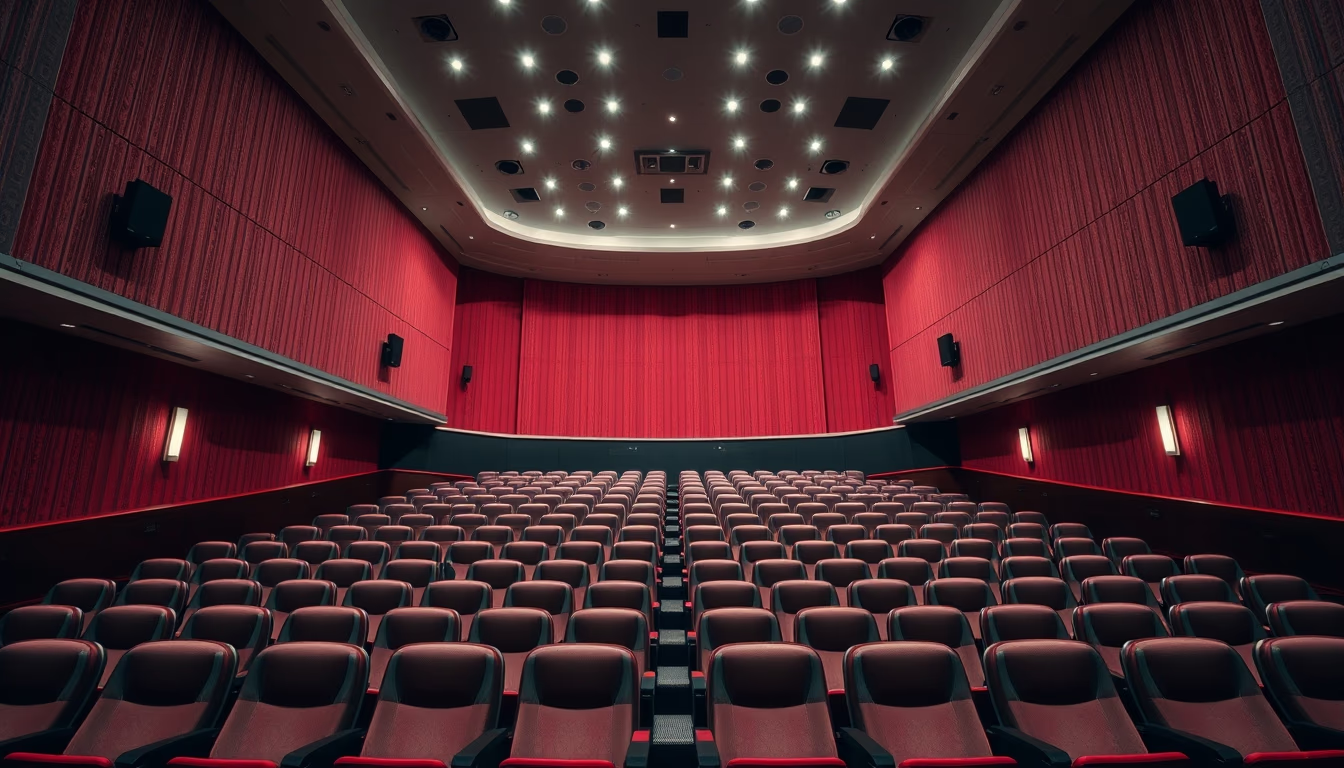
An empty cinema theater with aligned seats and a dark screen reveals the architecture and silence before the projection.
About this subject
An empty cinema auditorium is a space filled with history and anticipation. The first dedicated cinema, the Nickelodeon, opened in Pittsburgh in 1905. In the 1920s and 1930s, movie palaces like the Fox Theatre in Atlanta and the Grand Rex in Paris defined luxury cinema with lavish décor, chandeliers, and sweeping staircases. Today, cinema design focuses on acoustics and sightlines. Modern multiplexes feature stadium seating with row spacing of at least 1 meter, floor slopes of 8 to 10 degrees, and screens that can be flat or curved. Acoustic treatments include perforated panels, bass traps, and heavy drapes to control sound reflection.
Seat arrangement is key to the viewing experience. A standard auditorium holds 150 to 500 seats, arranged in staggered rows to avoid head obstruction. Seats are ergonomic, often with reclining mechanisms and cup holders. Premium formats like IMAX have screens up to 32 meters wide and steeper slopes for immersion. Drive-in theaters, popular in the 1950s, used parking lots and a single large screen. The architecture of a cinema aims to focus all attention toward the screen, minimizing distractions.
Empty cinemas have become more common due to streaming and changing habits. In 2023, global box office revenue was about $33 billion, down from $42 billion in 2019. However, cinema remains a unique communal experience. The largest cinema auditorium by capacity is the Grand Rex in Paris with 2,700 seats. The oldest continuously operating cinema is the Kino Pionier in Szczecin, Poland, opened in 1907. The silence of empty seats evokes nostalgia for packed screenings where laughter and gasps echoed through the dark.
Frequently Asked Questions
What makes a cinema theater architecture unique?
Cinema architecture prioritizes acoustics, sightlines, and comfort. Features like raked floors, staggered seating, acoustic panels, and strategic speaker placement ensure every seat delivers optimal sound and vision.
How many seats does a typical cinema auditorium have?
Standard multiplex auditoriums hold between 150 and 500 seats. Premium large-format screens like IMAX can accommodate 300 to 600 seats. Historic movie palaces often had capacities over 1,000, but many have been subdivided into smaller screens.
Why are cinema theaters empty nowadays?
The rise of streaming services and on-demand content has reduced theater attendance. The COVID-19 pandemic accelerated this trend. Global box office in 2023 was about 22% lower than in 2019, though cinemas remain popular for blockbusters and social experiences.
Direct URL
https://pub-c7d6a6ea828543ac903a74a341ccb2e1.r2.dev/imagens/cinema-theater-empty-seats-architectural-photography-p1.avifHow to credit
Include a visible link back to UtilizAí. Copy one of the snippets below:
<a href="https://xn--utiliza-eza.com/en/midia/imagens/cinema-theater-empty-seats-architectural-photography-p1">Cinema theater empty seats</a> by <a href="https://xn--utiliza-eza.com">UtilizAí</a>, licensed under <a href="https://creativecommons.org/licenses/by/4.0/">CC BY 4.0</a>.
[Cinema theater empty seats](https://xn--utiliza-eza.com/en/midia/imagens/cinema-theater-empty-seats-architectural-photography-p1) by [UtilizAí](https://xn--utiliza-eza.com), CC BY 4.0
License: CC-BY-4.0