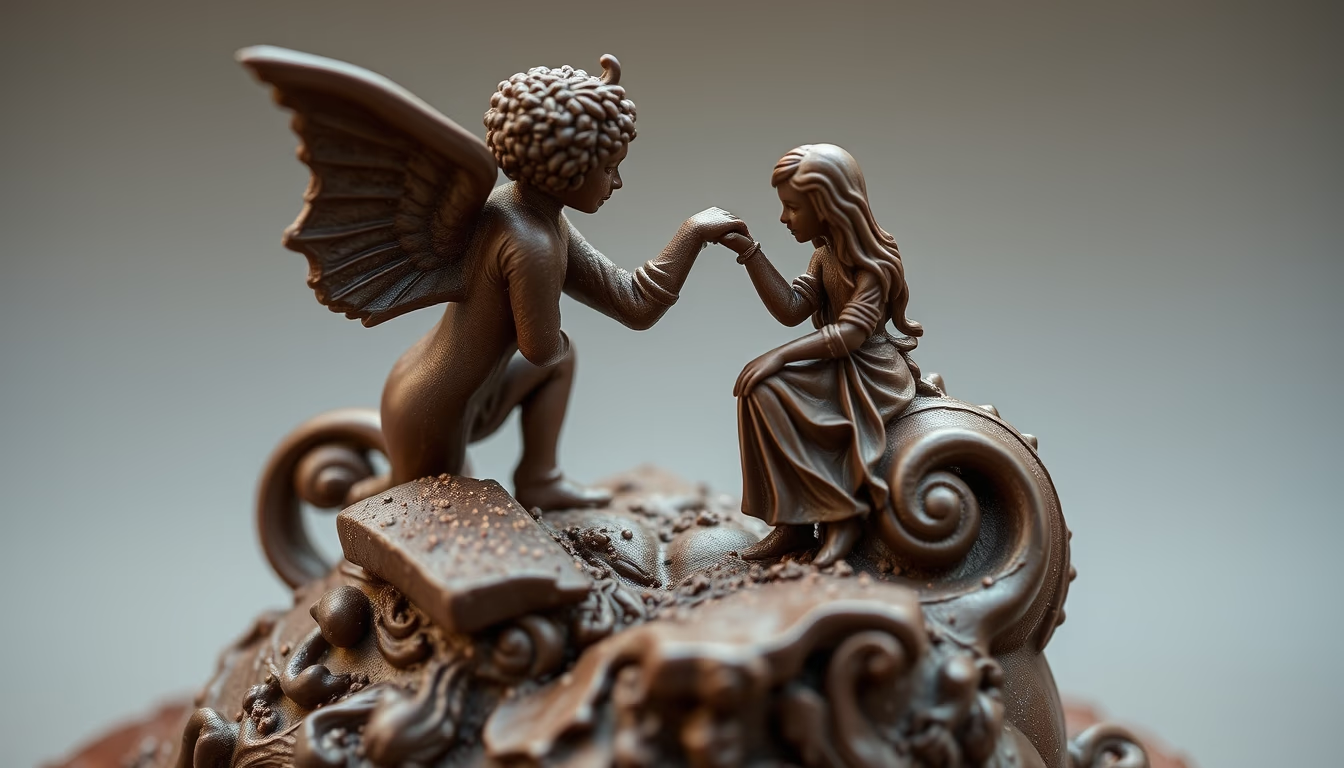
Chocolate sculpture intricate
1344×768 · AVIF · CC BY 4.0
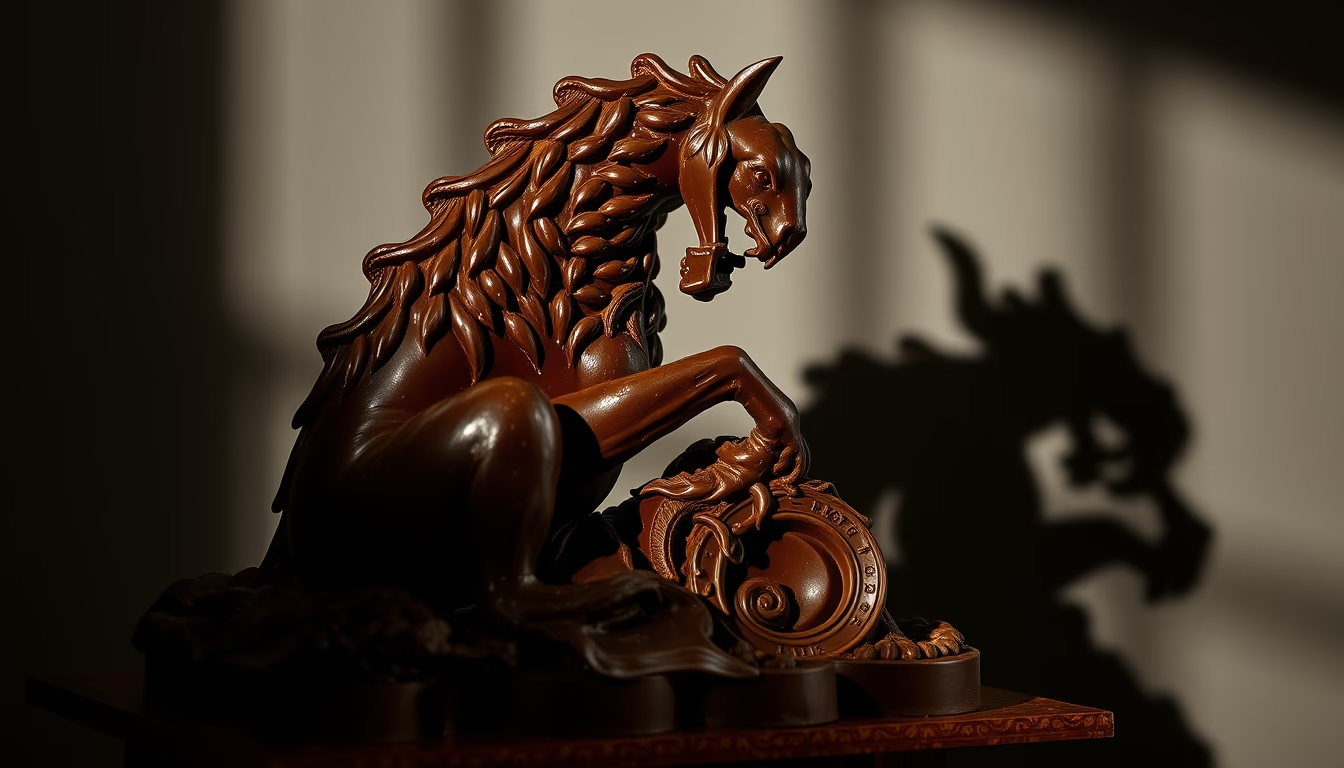
Chocolate sculptures are edible artworks combining culinary technique and creativity, often showcased in competitions or events.
About this subject
Chocolate sculpture is an art form that demands precision and deep knowledge of chocolate's properties. Derived from cacao, chocolate has a melting point close to body temperature, making it pliable under controlled heat but also prone to bloom and cracking. Artists such as pastry chefs and chocolatiers use techniques like tempering, modeling, and molds to create complex pieces.
In Brazil, chocolate is widely consumed, and the tradition of chocolate sculptures stands out during Easter, when eggs and bunnies are sculpted, and in competitions like the Prêmio de Excelência em Chocolate. Internationally, events such as the Salon du Chocolat in Paris or the World Chocolate Masters challenge artists to create thematic sculptures, often over one meter tall.
The choice of lighting, such as chiaroscuro in Rembrandt style, can enhance intricate details of the sculpture, highlighting textures and layers. Dark, milk, or white chocolate can be sculpted, each presenting specific handling challenges. Sculptures range from abstract forms to human or animal figures, requiring study of anatomy and structural balance.
Interestingly, chocolate sculpture is not only for display; it is often consumed after the event, adding ephemerality to the art. Ambient temperature and humidity are critical during creation and exhibition, as chocolate can melt or sweat. Therefore, these works are frequently kept in climate-controlled environments until tasting.
Frequently Asked Questions
How long does it take to sculpt a complex chocolate sculpture?
It depends on size and detail, but can range from several days to weeks. Large intricate sculptures require planning, tempering, modeling, and assembly, with cooling time between steps.
What are the main challenges when sculpting chocolate?
Temperature control is crucial to avoid bloom or melting. Additionally, humidity can cause 'sweating' on the chocolate, and the structure must be balanced to prevent breakage.
Can the chocolate used in these sculptures be eaten afterwards?
Yes, most of the time. The chocolate is edible, though it may have been at room temperature for hours. In competitions, sculptures are often tasted after evaluation.
Direct URL
https://pub-c7d6a6ea828543ac903a74a341ccb2e1.r2.dev/imagens/chocolate-sculpture-intricate-rembrandt-lighting-dramatic-shadows-fresh8.avifHow to credit
Include a visible link back to UtilizAí. Copy one of the snippets below:
<a href="https://xn--utiliza-eza.com/en/midia/imagens/chocolate-sculpture-intricate-rembrandt-lighting-dramatic-shadows-fresh8">Chocolate sculpture intricate</a> by <a href="https://xn--utiliza-eza.com">UtilizAí</a>, licensed under <a href="https://creativecommons.org/licenses/by/4.0/">CC BY 4.0</a>.
[Chocolate sculpture intricate](https://xn--utiliza-eza.com/en/midia/imagens/chocolate-sculpture-intricate-rembrandt-lighting-dramatic-shadows-fresh8) by [UtilizAí](https://xn--utiliza-eza.com), CC BY 4.0
License: CC-BY-4.0