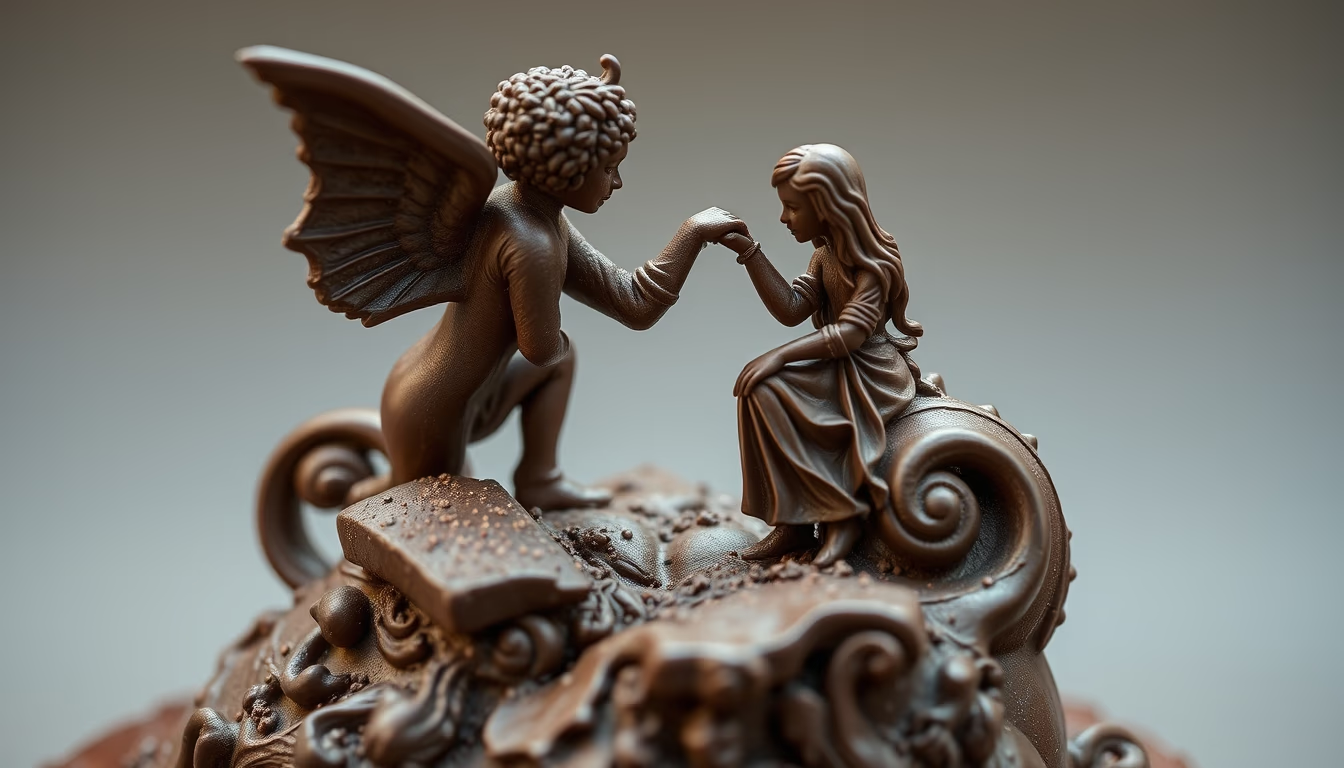
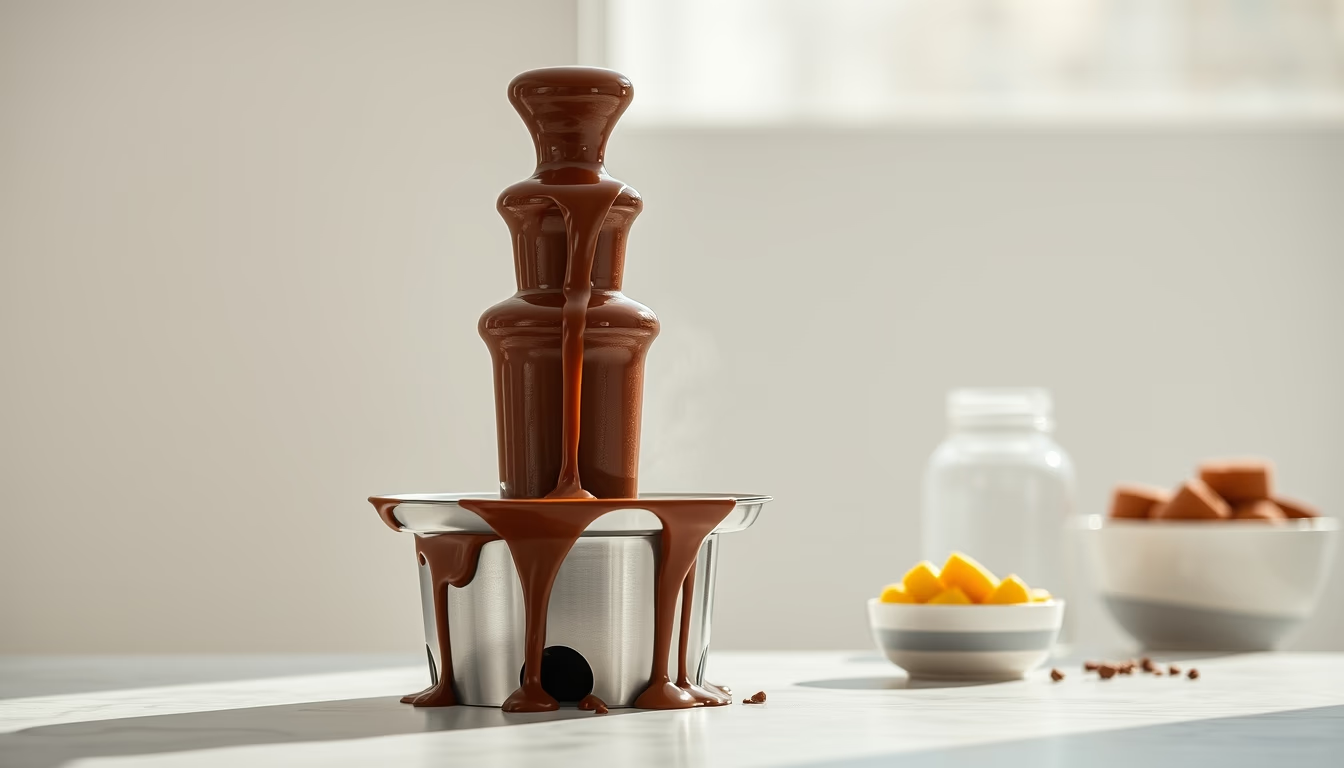
Chocolate sculpture intricate
1344×768 · AVIF · CC BY 4.0

Chocolate sculptures are edible works of art combining technique, creativity, and high-quality ingredients, often displayed in competitions and gastronomic events.
About this subject
Chocolate sculpture is a culinary art form that requires mastery of techniques such as modeling, molding, and airbrushing, as well as deep knowledge of chocolate behavior, including tempering and crystallization. Artists use couverture chocolate with high cocoa butter content to ensure gloss and clean breaks. Pieces can range from small floral details to complex structures over one meter tall, such as castles or realistic animals.
Major competitions like the World Chocolate Masters elevate the standard of chocolate sculpture. In these events, chefs from around the globe create three-dimensional works that often take weeks to plan and execute. The 'pulling' technique allows for fine ribbons and details, while airbrushing with oil-based colorants adds gradient finishes or metallic textures without compromising flavor.
In Brazil, the tradition of chocolate sculptures is prominent during Easter, with shops and patisseries displaying monumental bunnies and eggs. Professionals like pastry chef Cynthia Mendes are known for hyper-realistic sculptures requiring millimetric precision. Beyond visual appeal, the sculpture must be structurally stable to avoid collapsing in climate-controlled environments.
Trivia: the world's largest chocolate sculpture, according to Guinness, was a 34-meter train made in Belgium in 2013. The long-exposure photography technique, mentioned in the tags, highlights the malleability of chocolate under controlled light, allowing textures and shadows to be emphasized without melting the piece during the session.
Frequently Asked Questions
What types of chocolate are used in sculptures?
Couverture chocolate with high cocoa butter content is used, as it melts and tempers well, providing gloss and snap. Milk, dark, or white chocolate are common, depending on desired color and flavor.
How to prevent a chocolate sculpture from melting?
The environment must be climate-controlled, between 18°C and 22°C with low humidity. Proper tempering ensures stability. In exhibitions, cool LED lights are preferred.
What is the biggest challenge in chocolate sculpting?
Managing temperature and working time. Chocolate sets quickly, requiring speed and precision. Joining parts without marks or cracks is difficult, using melted chocolate as glue.
Direct URL
https://pub-c7d6a6ea828543ac903a74a341ccb2e1.r2.dev/imagens/chocolate-sculpture-intricate-long-exposure-fresh4.avifHow to credit
Include a visible link back to UtilizAí. Copy one of the snippets below:
<a href="https://xn--utiliza-eza.com/en/midia/imagens/chocolate-sculpture-intricate-long-exposure-fresh4">Chocolate sculpture intricate</a> by <a href="https://xn--utiliza-eza.com">UtilizAí</a>, licensed under <a href="https://creativecommons.org/licenses/by/4.0/">CC BY 4.0</a>.
[Chocolate sculpture intricate](https://xn--utiliza-eza.com/en/midia/imagens/chocolate-sculpture-intricate-long-exposure-fresh4) by [UtilizAí](https://xn--utiliza-eza.com), CC BY 4.0
License: CC-BY-4.0