Centenary olive tree spain
1344×768 · AVIF · CC BY 4.0
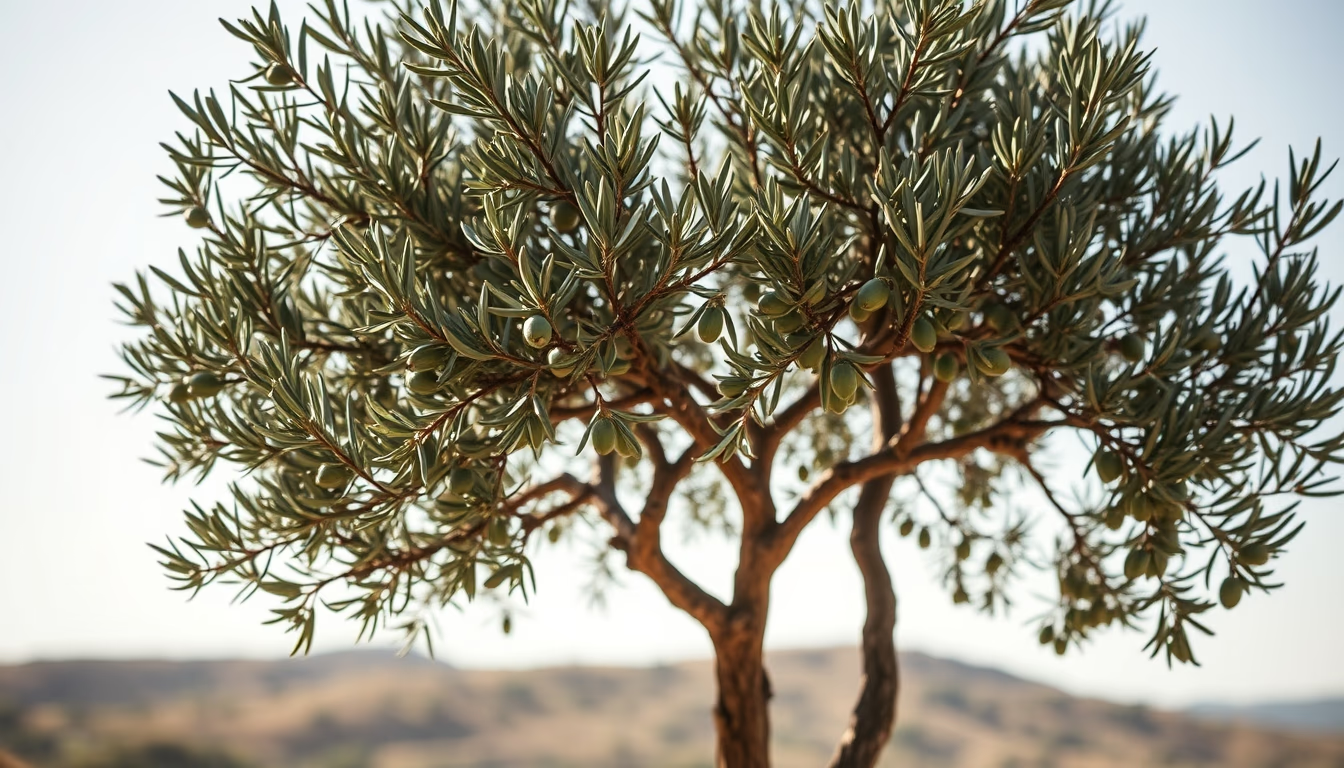
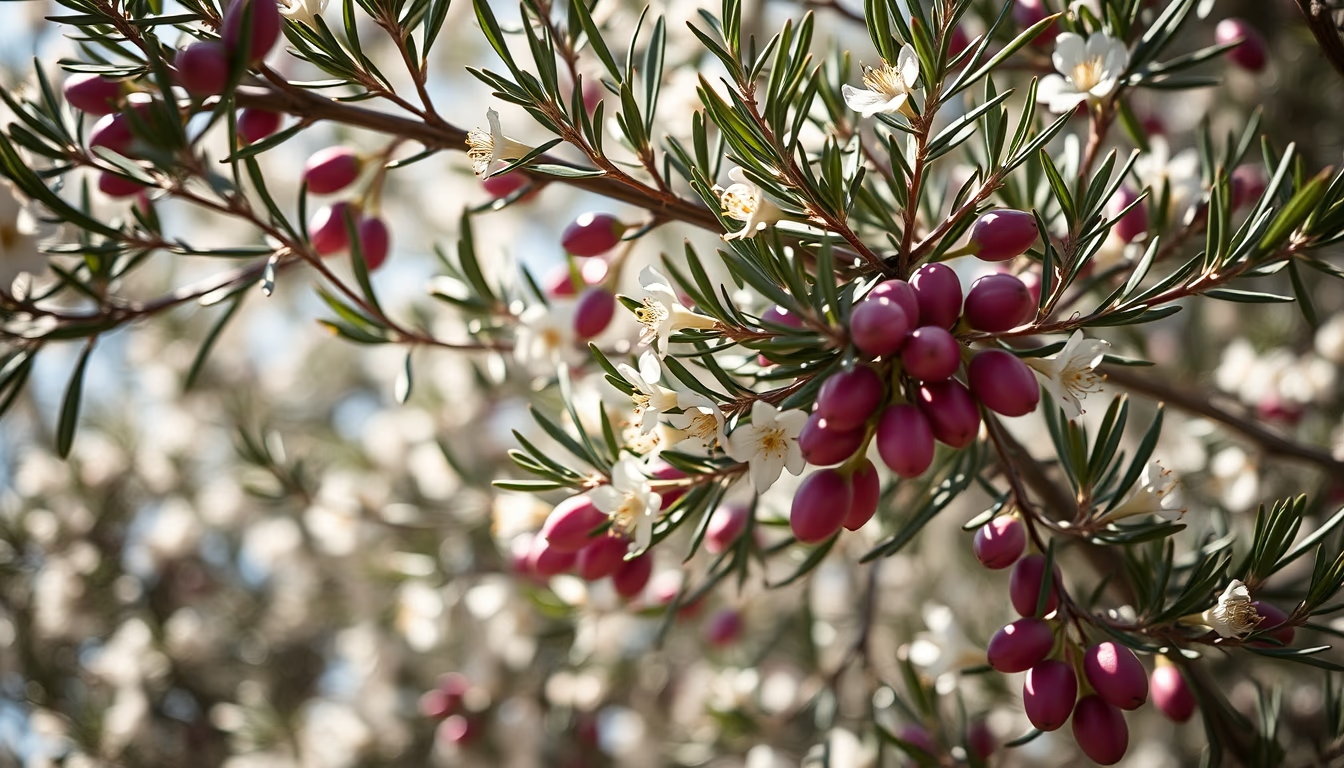
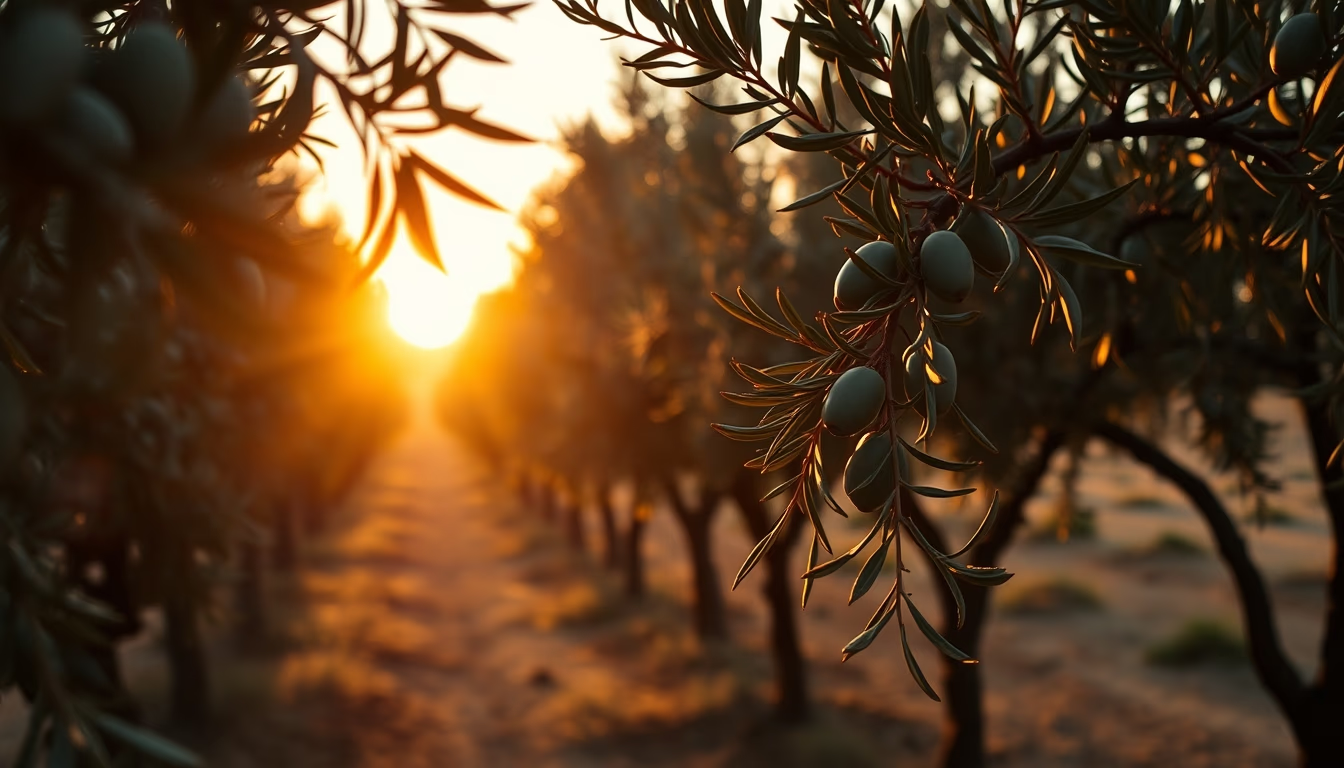
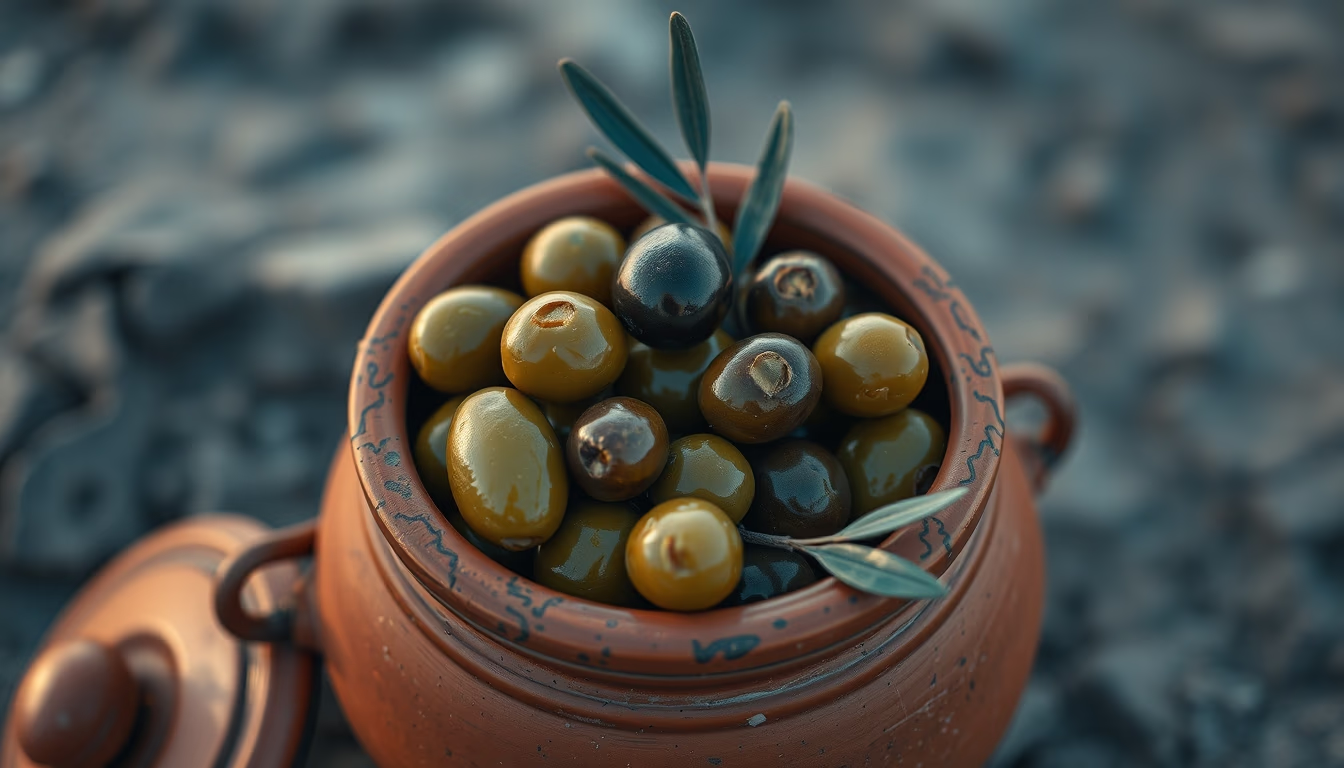
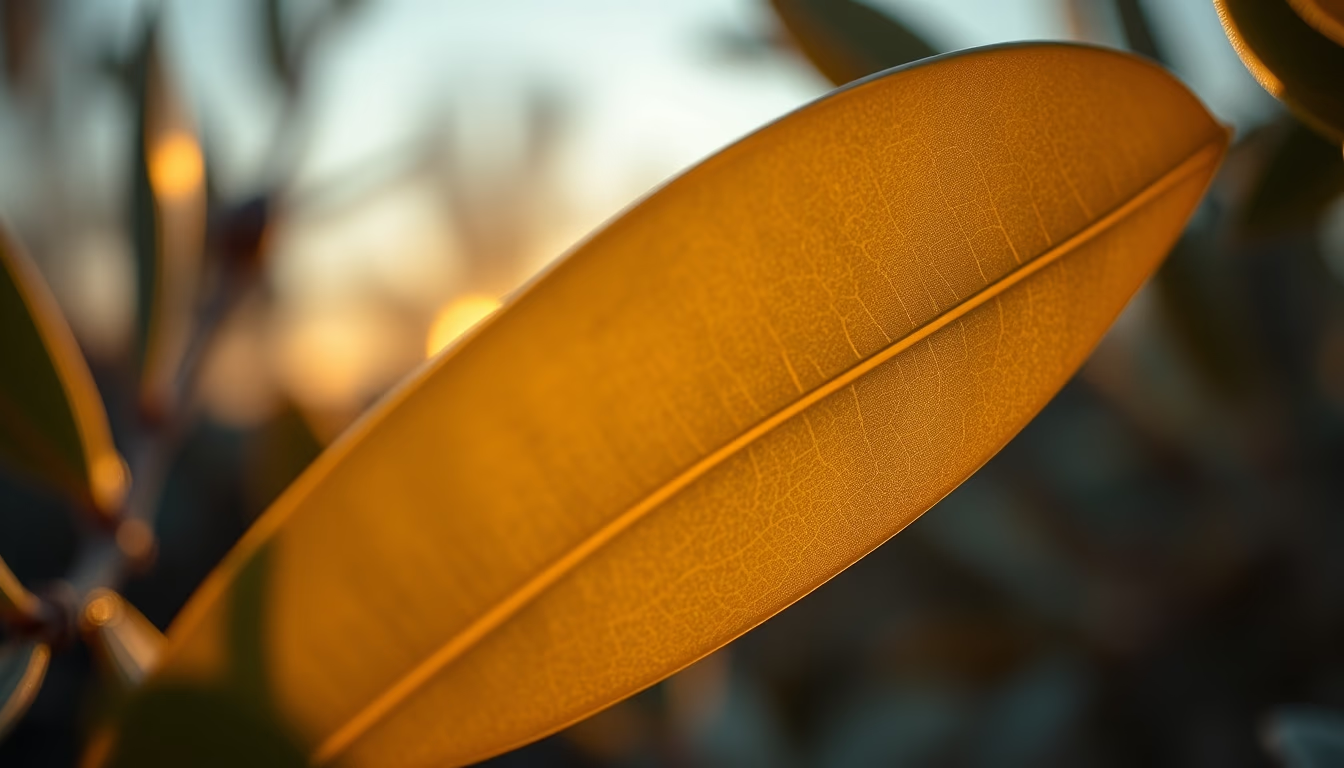
Centenary olive tree in Spain represents a living monument of Mediterranean agriculture, with some specimens over a thousand years old.
About this subject
Centenary olive trees in Spain are living witnesses to a millennia-old tradition. Olive cultivation reached the Iberian Peninsula with the Phoenicians and was widely developed by the Romans, who spread it across the Mediterranean. Today, Spain is the world's largest olive oil producer, accounting for 40% to 60% of global output. Regions such as Andalusia, Catalonia, and Aragon harbor olive trees that have withstood centuries, some over a thousand years old, like the 'Farga de l'Arion' in Ulldecona, estimated at 1,700 years.
These centenary trees have gnarled, thick trunks resulting from decades of pruning and adaptation to the semi-arid climate. They are considered cultural and genetic heritage, protected by regional laws that prohibit their uprooting. Oil production from these trees is artisanal: fruits are hand-harvested to preserve quality, yielding intense-flavored, low-acidity oils highly prized in the gourmet market.
Beyond economic value, centenary olive trees have ecological importance. Their deep roots help prevent soil erosion in mountainous areas, and their canopy provides shade for other crops. They are also symbols of peace and longevity in Mediterranean culture, appearing in mythologies and local traditions. Events like the 'Festa da Oliveira Centenária' in some villages celebrate this living heritage, attracting tourists and scholars.
The future of these specimens faces challenges such as intensive agricultural expansion and climate change. However, conservation initiatives like Andalusia's 'Catálogo de Olivos Monumentales' aim to ensure these trees continue to bear fruit for generations. Each centenary olive tree is a natural archive of the region's agricultural and climatic history.
Frequently Asked Questions
What is the oldest olive tree in Spain?
The oldest documented olive tree in Spain is the 'Farga de l'Arion' in Ulldecona, Catalonia. Studies estimate its age at about 1,700 years, making it one of the oldest in the world.
Why are centenary olive trees protected by law?
Because they are genetic and cultural heritage, many Spanish autonomous communities have laws protecting olive trees older than 200 years. Uprooting these trees is prohibited, and there are incentives for their conservation.
What kind of oil is produced from centenary olive trees?
Oil from centenary olive trees is typically artisanal, with manual harvesting. It has an intense flavor, low acidity, and high polyphenol content, classified as high-quality extra virgin olive oil, highly sought after in the gourmet market.
Direct URL
https://pub-c7d6a6ea828543ac903a74a341ccb2e1.r2.dev/imagens/centenary-olive-tree-spain-documentary-photography-p12.avifHow to credit
Include a visible link back to UtilizAí. Copy one of the snippets below:
<a href="https://xn--utiliza-eza.com/en/midia/imagens/centenary-olive-tree-spain-documentary-photography-p12">Centenary olive tree spain</a> by <a href="https://xn--utiliza-eza.com">UtilizAí</a>, licensed under <a href="https://creativecommons.org/licenses/by/4.0/">CC BY 4.0</a>.
[Centenary olive tree spain](https://xn--utiliza-eza.com/en/midia/imagens/centenary-olive-tree-spain-documentary-photography-p12) by [UtilizAí](https://xn--utiliza-eza.com), CC BY 4.0
License: CC-BY-4.0