Cell animation paper
1344×768 · AVIF · CC BY 4.0
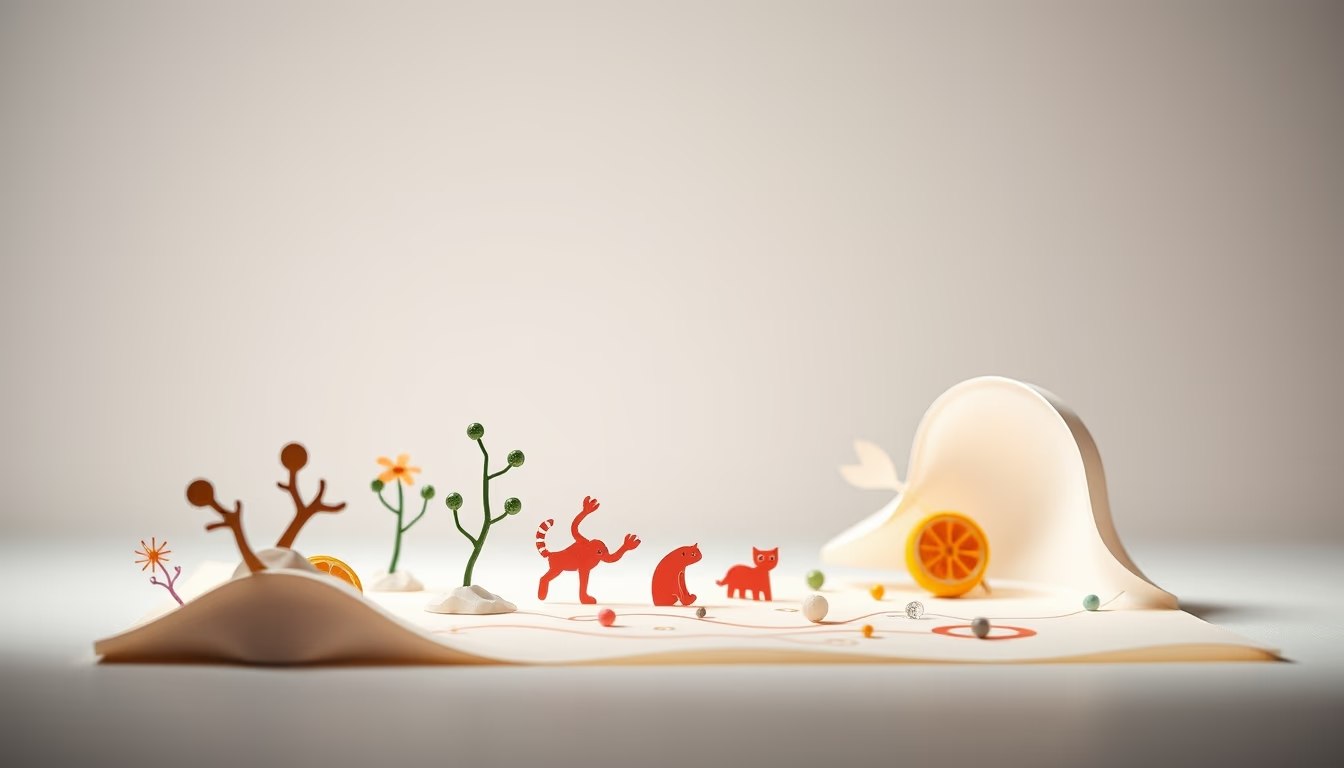
Cell animation paper, used in classic cartoons, is a transparent acetate sheet on which artists paint frames to create motion.
About this subject
Cell animation paper, often simply called a "cel", is a fundamental material in traditional animation. Unlike regular paper, it is made of cellulose acetate, a transparent and durable material that allows overlaying drawings to compose a scene without redrawing the background every frame. During the Golden Age of animation, especially at Disney and Warner Bros. studios, cels were hand-painted with tempera or acrylic, resulting in vibrant colors and fluid motion.
Each cel corresponded to one frame of animation, and for one second of film (24 frames), 24 separate cels were needed for characters, while the background remained on a fixed sheet. The transparency of the acetate allowed animators to layer elements: first the background, then the character, and finally effects like shadows or highlights. This system reduced repetitive work and added depth to the scene.
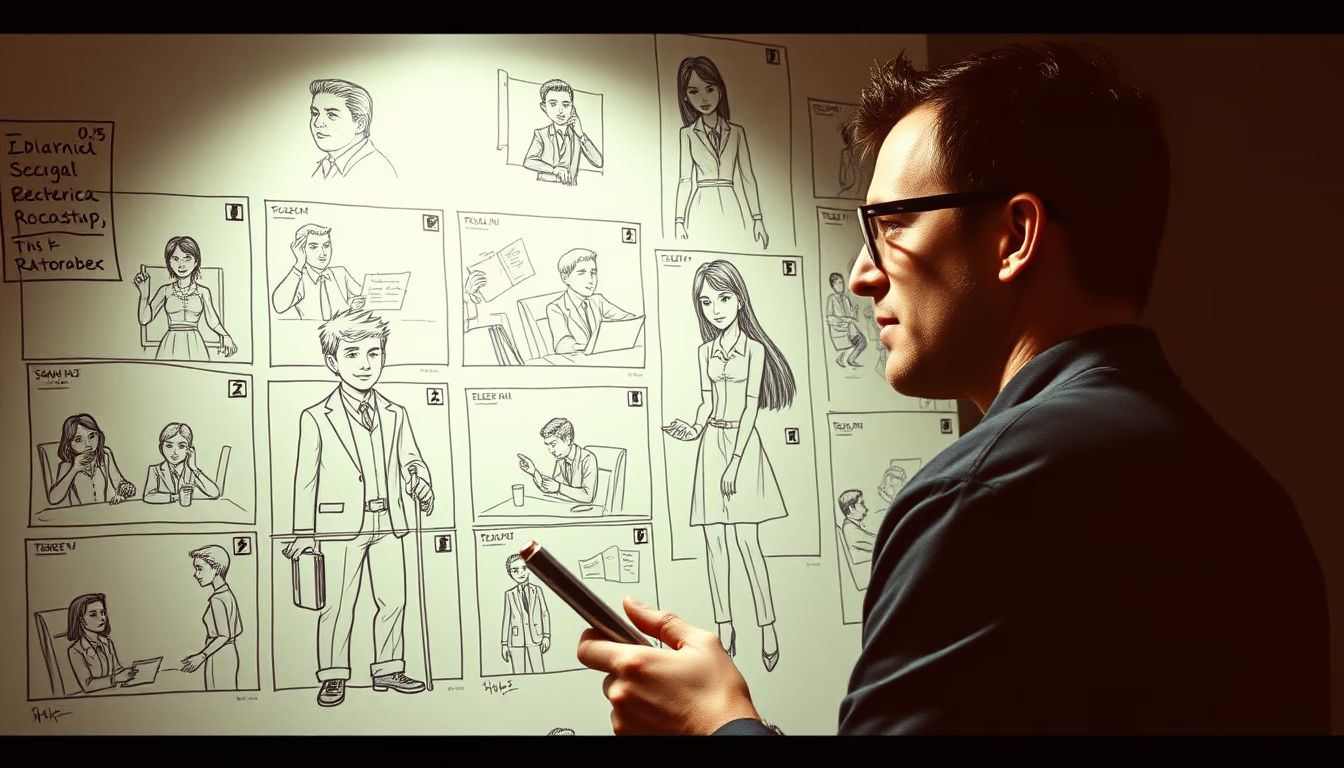
Cel production involved several steps: after storyboarding and layout drawings, animators created keyframes, and in-betweeners filled in the intermediate movements. The drawings were then transferred onto cels (often via xerography) and hand-colored, a meticulous process requiring precision to avoid continuity errors. With the rise of digital animation in the 1990s, physical cels were gradually replaced by digital layers, but the term "cel" remains in technical jargon.
Today, original cels from classic films are valuable collector's items, sold at auctions for thousands of dollars. Some studios, like Studio Ghibli, occasionally still produce handcrafted cels for special projects. Additionally, many contemporary artists reuse the technique in independent shorts, appreciating the unique texture and nostalgic charm the material brings to animations.
Frequently Asked Questions
What is the difference between cel animation paper and regular paper?
Cel paper is made of cellulose acetate, a transparent material, whereas regular paper is opaque. This transparency allows overlaying drawings without hiding the background, essential in traditional animation.
How were cels hand-colored?
Animators used tempera or acrylic paint applied with fine brushes to the back of the cel (to avoid smudges). The cel was then flipped and photographed. Each color required careful application to stay within the outlines.
Are cels still used in modern animation?
Rarely. Most studios use digital animation, but some independent artists and studios like Ghibli still produce physical cels for special projects, valuing the handcrafted aesthetic.
Direct URL
https://pub-c7d6a6ea828543ac903a74a341ccb2e1.r2.dev/imagens/cell-animation-paper-studio-still-life-fresh17.avifHow to credit
Include a visible link back to UtilizAí. Copy one of the snippets below:
<a href="https://xn--utiliza-eza.com/en/midia/imagens/cell-animation-paper-studio-still-life-fresh17">Cell animation paper</a> by <a href="https://xn--utiliza-eza.com">UtilizAí</a>, licensed under <a href="https://creativecommons.org/licenses/by/4.0/">CC BY 4.0</a>.
[Cell animation paper](https://xn--utiliza-eza.com/en/midia/imagens/cell-animation-paper-studio-still-life-fresh17) by [UtilizAí](https://xn--utiliza-eza.com), CC BY 4.0
License: CC-BY-4.0