Cell animation paper
1344×768 · AVIF · CC BY 4.0
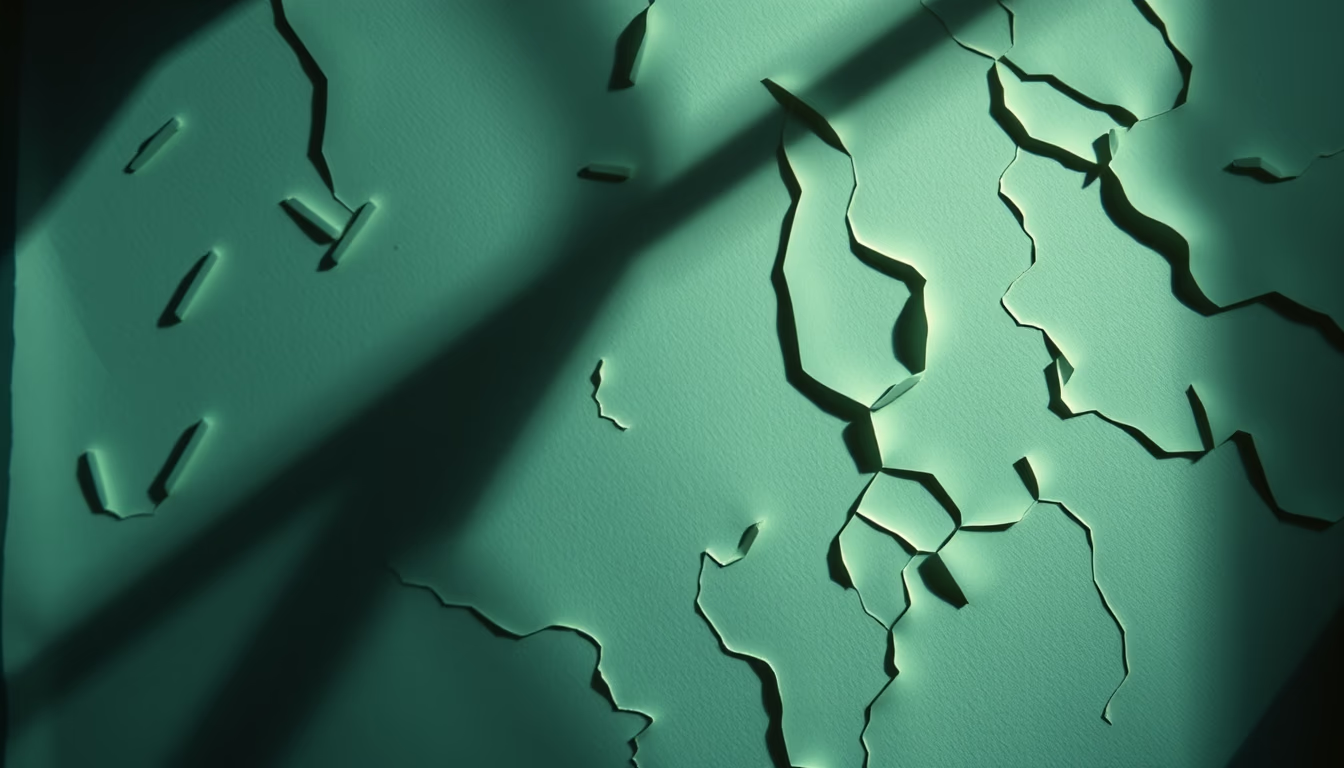
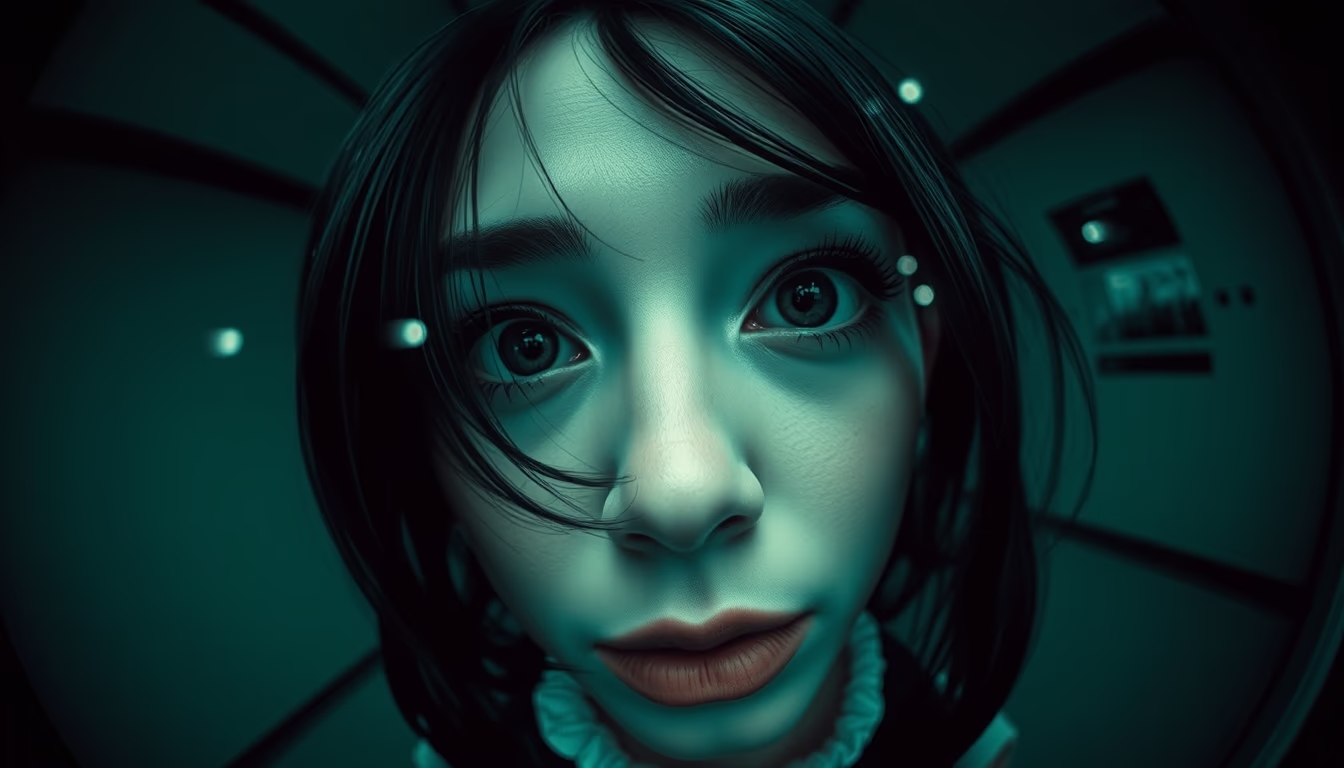
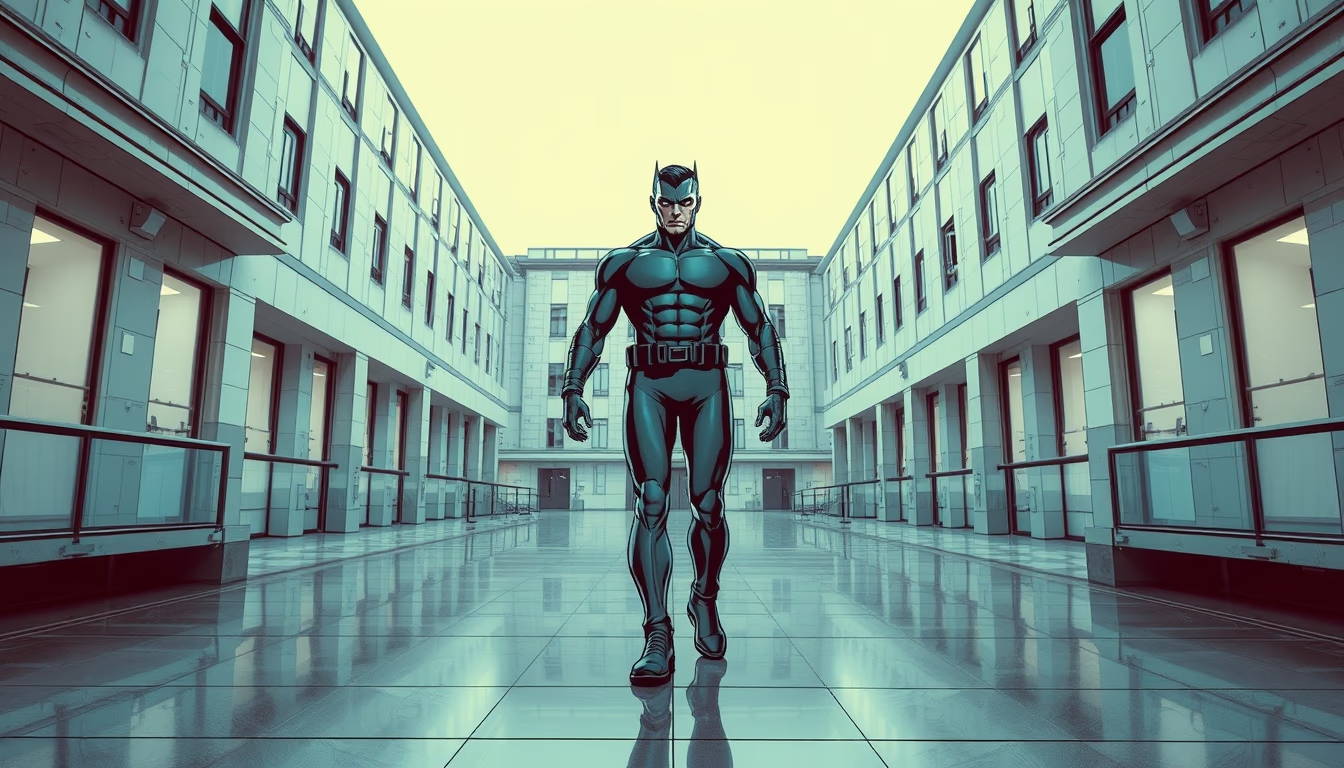
Cell animation paper, made of celluloid, was crucial for classic cartoons, enabling lighting techniques like Rembrandt's chiaroscuro.
About this subject
Cell animation paper refers to the sheets of celluloid acetate used in traditional animation. Each sheet contained a drawing or painting of a character or element, allowing them to be stacked on a fixed background. This method, popularized by studios like Walt Disney and Warner Bros. in the 1930s and 1940s, streamlined animators' work by avoiding redrawing the scene for every frame.
The lighting technique known as Rembrandt lighting, characterized by dramatic shadows and a triangle of light under the character's eye, was widely used in animations aiming for a cinematic look. Notable examples include 'Batman: The Animated Series' (1992), which used dark backgrounds and strong contrasts, and 'Sleeping Beauty' (1959), inspired by Renaissance art. Cell animation paper allowed animators to manually paint these light and shadow effects with precision.
With the rise of digital technology, physical celluloid use declined from the 1990s. The last major Disney film to use cells was 'The Hunchback of Notre Dame' (1996). Today, cell animation paper is a collector's item and historical study piece, valued for its contribution to cartoon aesthetics.
Trivia: celluloid sheets were initially made of cellulose nitrate or acetate, which were flammable, but later replaced by safer acetate. The term 'cel' is still used in digital animation software to refer to individual layers.
Frequently Asked Questions
What is cell animation paper?
It is the celluloid acetate sheet used in traditional animation to draw characters and objects, allowing layering over fixed backgrounds.
How is Rembrandt lighting applied in animation?
Rembrandt lighting uses deep shadows and a triangle of light under one eye for drama. In animation, it was hand-painted on cells, e.g., in Batman: The Animated Series.
Why was celluloid animation abandoned?
The advent of computers and digital animation software made the process faster and cheaper, eliminating the need for physical materials.
Direct URL
https://pub-c7d6a6ea828543ac903a74a341ccb2e1.r2.dev/imagens/cell-animation-paper-rembrandt-lighting-dramatic-shadows-fresh2.avifHow to credit
Include a visible link back to UtilizAí. Copy one of the snippets below:
<a href="https://xn--utiliza-eza.com/en/midia/imagens/cell-animation-paper-rembrandt-lighting-dramatic-shadows-fresh2">Cell animation paper</a> by <a href="https://xn--utiliza-eza.com">UtilizAí</a>, licensed under <a href="https://creativecommons.org/licenses/by/4.0/">CC BY 4.0</a>.
[Cell animation paper](https://xn--utiliza-eza.com/en/midia/imagens/cell-animation-paper-rembrandt-lighting-dramatic-shadows-fresh2) by [UtilizAí](https://xn--utiliza-eza.com), CC BY 4.0
License: CC-BY-4.0