Cell animation paper
1344×768 · AVIF · CC BY 4.0

Cell animation paper is a specific type of perforated sheet used by animators to draw keyframes and inbetweens, ensuring precise alignment during traditional production.
About this subject
Cell animation paper, also known as animation paper or drawing paper for cartoons, is an essential material in traditional animation production. Unlike regular paper, it has registration holes along the edges that fit into pegs on light tables and animation discs. This standardization allows animators to maintain the exact position of each frame relative to the previous one, ensuring smooth and consistent motion. The paper weight typically ranges from 60 to 90 gsm, making it thinner and more translucent than standard copy paper, so the previous drawing can be seen through.
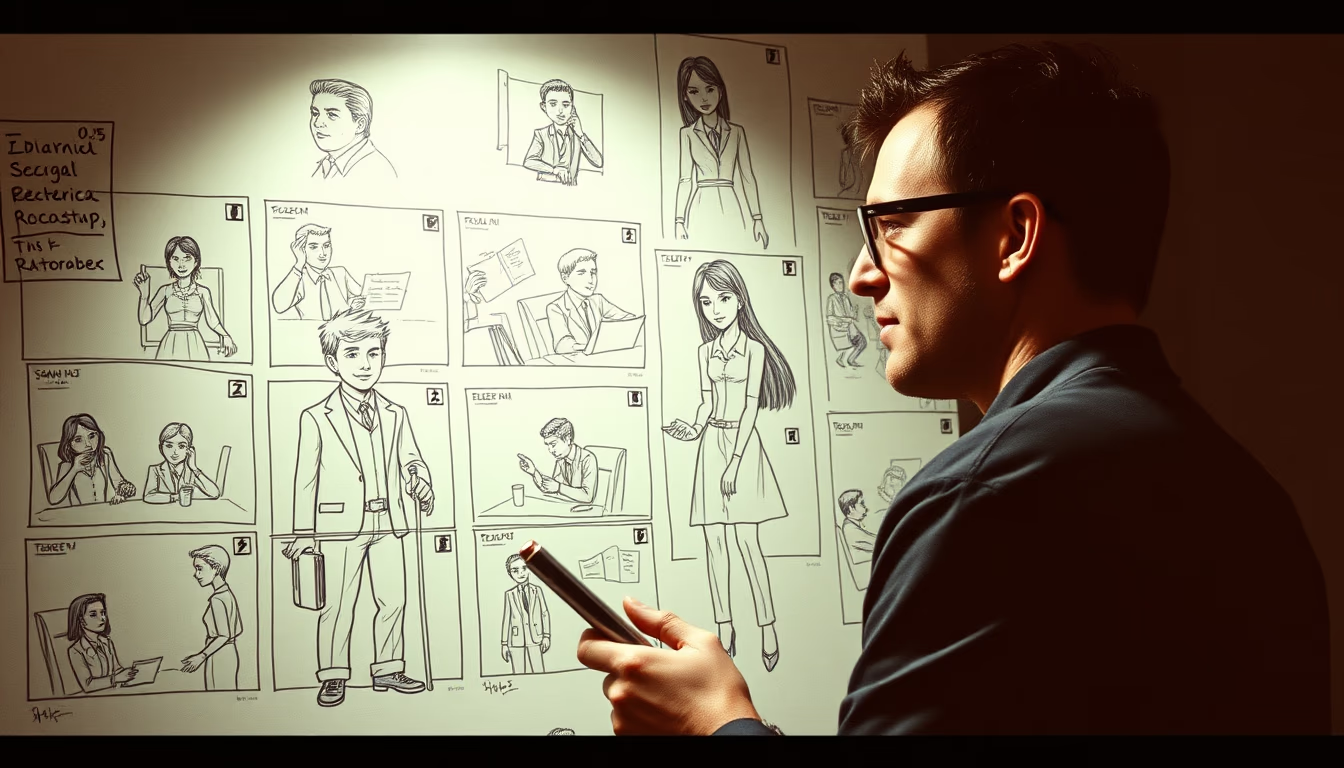
The animation process begins with the artist drawing in pencil on this paper, usually using a light table that illuminates from below. Keyframes are drawn first, defining the main poses of the action. Then assistant animators fill in the inbetweens to smooth the movement. Each sheet is numbered and stored in order, forming a sequence that will later be transferred to cels (acetates) or scanned for digital coloring.
Historically, studios like Walt Disney Productions and Studio Ghibli used millions of these sheets in their productions. During the golden age of animation, paper was supplied in large pre-punched blocks custom-ordered from manufacturers. An interesting fact: original pencil drawings on animation paper are now valuable collector's items, as they represent the craftsmanship of master animators. Even in the digital age, many professionals still prefer drawing on paper to capture the natural fluidity of strokes before digitizing.
Today, cell animation paper continues to be used in traditional animation courses and by independent artists who value the manual process. It is sold in specialized art supply stores, often as part of kits that include light tables and registration pegs. Although digital animation has replaced much of the process, the tactile feel and control offered by paper remain irreplaceable for many creators.
Frequently Asked Questions
What is the difference between animation paper and regular paper?
Animation paper has registration holes along the edges that fit onto peg bars, ensuring all drawings are aligned. It also has a lighter weight and higher translucency to allow viewing of the previous drawing on a light table.
How do animators use animation paper?
They draw each frame on a separate sheet, using a light table to see the drawing from the previous frame. This allows them to adjust positions and create smooth motion. The sheets are then scanned or transferred to cels.
Is animation paper still used with digital animation?
Yes. Many animators draw on paper, scan the drawings, and import them into software like Toon Boom or TVPaint for coloring and digital compositing. This combines the freedom of hand-drawn lines with the advantages of digital editing.
Direct URL
https://pub-c7d6a6ea828543ac903a74a341ccb2e1.r2.dev/imagens/cell-animation-paper-minimalist-composition-fresh8.avifHow to credit
Include a visible link back to UtilizAí. Copy one of the snippets below:
<a href="https://xn--utiliza-eza.com/en/midia/imagens/cell-animation-paper-minimalist-composition-fresh8">Cell animation paper</a> by <a href="https://xn--utiliza-eza.com">UtilizAí</a>, licensed under <a href="https://creativecommons.org/licenses/by/4.0/">CC BY 4.0</a>.
[Cell animation paper](https://xn--utiliza-eza.com/en/midia/imagens/cell-animation-paper-minimalist-composition-fresh8) by [UtilizAí](https://xn--utiliza-eza.com), CC BY 4.0
License: CC-BY-4.0