Cave house cappadocia
1344×768 · AVIF · CC BY 4.0
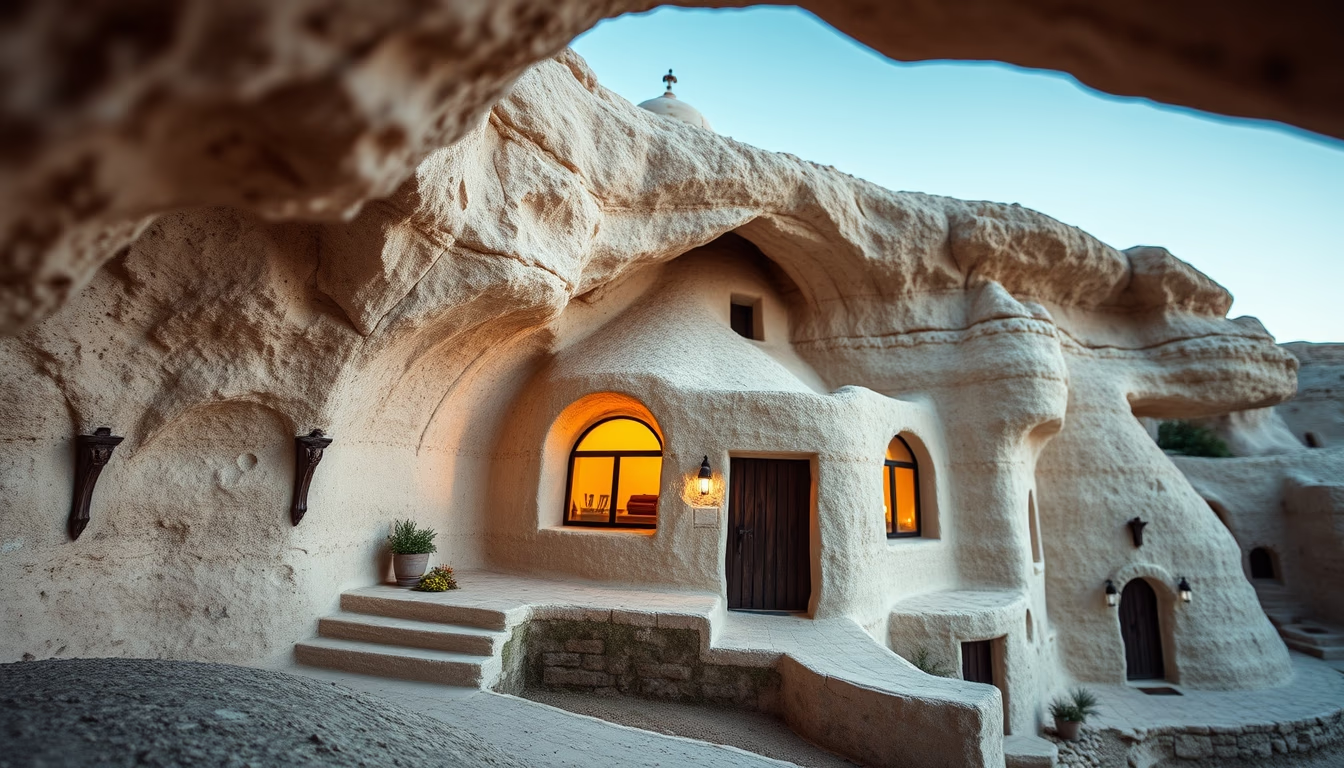
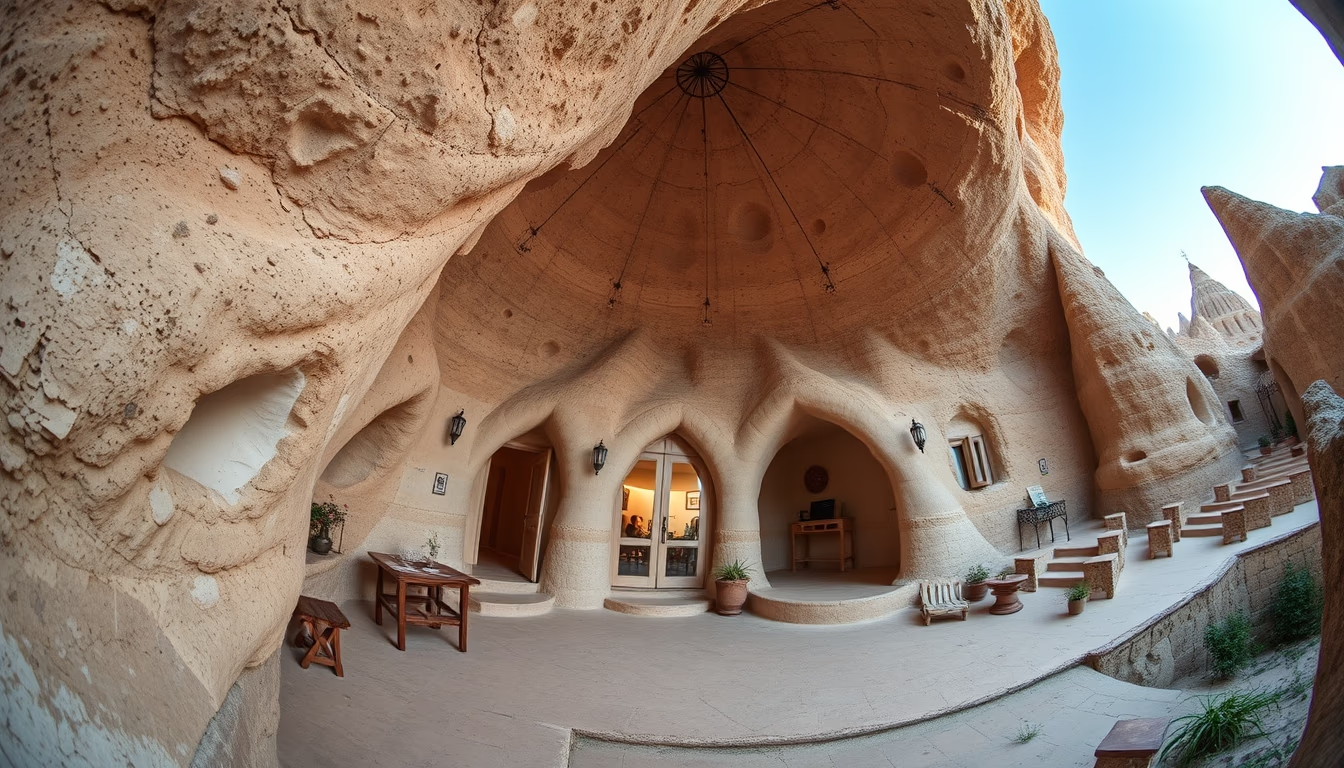
Casas caverna da Capadócia, esculpidas em rocha vulcânica, abrigam habitações e igrejas rupestres desde a antiguidade, formando paisagem única na Turquia.
Sobre o tema
As casas caverna da Capadócia, localizadas na região central da Turquia, são um exemplo notável de arquitetura troglodita esculpida diretamente na rocha vulcânica. A formação geológica da região, composta por tufo e ignimbrito, permitiu que, ao longo de milênios, a erosão criasse vales e formações cônicas chamadas 'chaminés de fada'. Desde a era hitita (aproximadamente 2000 a.C.), os habitantes escavaram essas rochas macias para construir moradias, armazéns, celeiros e até cidades subterrâneas completas, como Derinkuyu e Kaymaklı, que chegam a 20 andares de profundidade e podiam abrigar milhares de pessoas. Durante o período bizantino, muitas dessas cavernas foram transformadas em igrejas ornamentadas com afrescos, como as do Vale de Göreme, hoje Patrimônio Mundial da UNESCO. A técnica construtiva envolve a escavação manual, mantendo a temperatura interna estável (cerca de 13°C o ano todo) e proteção natural contra ventos e invasores. A tradição de habitar cavernas persiste até hoje, com muitas casas sendo adaptadas como hotéis boutique e pousadas, oferecendo uma experiência única de hospedagem. A paisagem surreal da Capadócia, com seus balões de ar quente ao amanhecer e as antigas habitações escavadas, atrai milhões de turistas anualmente, interessados tanto na história geológica quanto na humana. As casas caverna são um testemunho da engenhosidade humana em adaptar-se ao ambiente, criando lares que integram perfeitamente a natureza e a arquitetura.
Perguntas frequentes
Por que as casas caverna da Capadócia são tão famosas?
Elas são famosas por sua arquitetura troglodita única, esculpida em formações rochosas vulcânicas, e por abrigarem cidades subterrâneas e igrejas com afrescos bizantinos, sendo Patrimônio Mundial da UNESCO.
É seguro morar em uma casa caverna na Capadócia?
Sim, as casas são estruturalmente estáveis devido à dureza do tufo após exposição ao ar, e mantêm temperatura amena o ano todo. Muitas foram modernizadas com instalações elétricas e hidráulicas.
Como as casas caverna são mantidas atualmente?
Elas são preservadas por leis de proteção ao patrimônio histórico. Proprietários e hotéis fazem manutenção periódica, como impermeabilização e reforço de vigas, além de respeitar as técnicas originais de escavação.
URL direta
https://pub-c7d6a6ea828543ac903a74a341ccb2e1.r2.dev/imagens/cave-house-cappadocia-macro-closeup-fresh4.avifComo creditar
Inclua um link visível de volta pro UtilizAí. Copie um dos snippets abaixo:
<a href="https://xn--utiliza-eza.com/midia/imagens/cave-house-cappadocia-macro-closeup-fresh4">Cave house cappadocia</a> by <a href="https://xn--utiliza-eza.com">UtilizAí</a>, licensed under <a href="https://creativecommons.org/licenses/by/4.0/">CC BY 4.0</a>.
[Cave house cappadocia](https://xn--utiliza-eza.com/midia/imagens/cave-house-cappadocia-macro-closeup-fresh4) by [UtilizAí](https://xn--utiliza-eza.com), CC BY 4.0
Licença: CC-BY-4.0