Cave house cappadocia
1344×768 · AVIF · CC BY 4.0
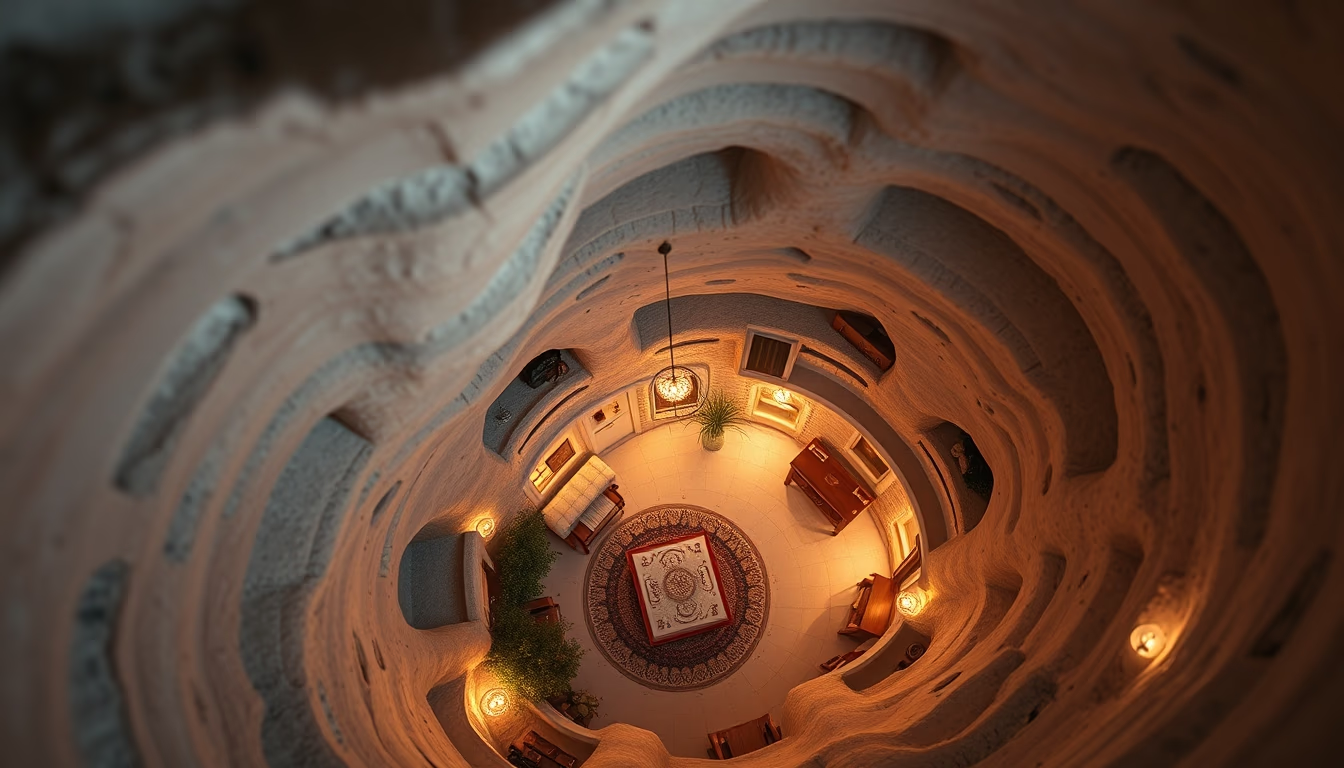
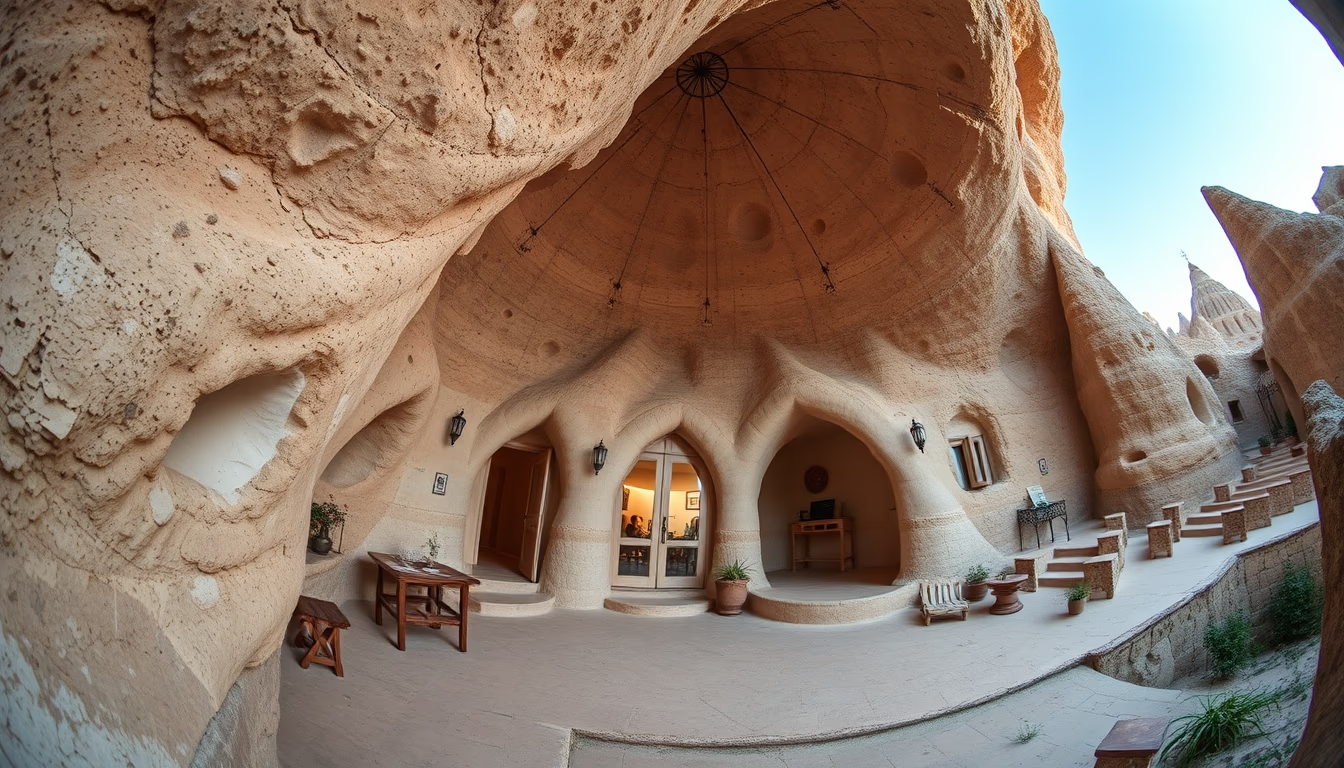
The cave houses of Cappadocia, carved into volcanic rock, are a unique example of troglodyte architecture in central Turkey.
About this subject
The Cappadocia region in central Turkey is globally famous for its volcanic tuff rock formations, sculpted by erosion over millions of years. This soft stone has been used since antiquity by civilizations such as the Hittites, Phrygians, and early Christians to carve homes, churches, and entire underground cities. The cave houses, or 'troglodyte dwellings,' were excavated directly into cliffs and fairy chimneys, providing natural shelter with thermal insulation, cool in summer and warm in winter.
During the Byzantine period, Cappadocia became a refuge for Christian communities fleeing persecution. They transformed the caves into churches adorned with frescoes, monasteries, and living complexes, such as those in Göreme, Uçhisar, and Ürgüp. Many of these structures are now UNESCO World Heritage sites and attract millions of tourists each year. The region's strategic location on the Silk Road also contributed to its historical importance.
Today, cave houses are adapted into boutique hotels, restaurants, and luxury residences, combining historic charm with modern comfort. Some properties retain original features like carved niches, fireplaces, and inner courtyards. Cappadocia's lunar landscape, with its early-morning hot air balloons, offers a unique backdrop that captivates visitors from around the globe. Preserving these structures is challenging, but sustainable tourism helps keep this heritage alive.
Frequently Asked Questions
How are the cave houses of Cappadocia formed?
They are manually carved into soft volcanic tuff rock. Natural erosion created cones and cliffs, and ancient inhabitants used simple tools to excavate rooms, staircases, and even entire underground cities.
Why did people live in caves in Cappadocia?
Besides natural shelter, caves offered protection from invaders and extreme weather. During the Byzantine period, they served as hideouts for persecuted Christians. The thermal insulation and availability of soft rock made carving practical.
Is it safe to visit the cave houses today?
Yes, many have been reinforced with modern engineering and are safe for tourism. Hotels and restaurants inside caves follow safety regulations. However, always follow local guidance and avoid unsupervised areas.
Direct URL
https://pub-c7d6a6ea828543ac903a74a341ccb2e1.r2.dev/imagens/cave-house-cappadocia-isometric-flat-lay-fresh16.avifHow to credit
Include a visible link back to UtilizAí. Copy one of the snippets below:
<a href="https://xn--utiliza-eza.com/en/midia/imagens/cave-house-cappadocia-isometric-flat-lay-fresh16">Cave house cappadocia</a> by <a href="https://xn--utiliza-eza.com">UtilizAí</a>, licensed under <a href="https://creativecommons.org/licenses/by/4.0/">CC BY 4.0</a>.
[Cave house cappadocia](https://xn--utiliza-eza.com/en/midia/imagens/cave-house-cappadocia-isometric-flat-lay-fresh16) by [UtilizAí](https://xn--utiliza-eza.com), CC BY 4.0
License: CC-BY-4.0