Campfire roaring forest
1344×768 · AVIF · CC BY 4.0
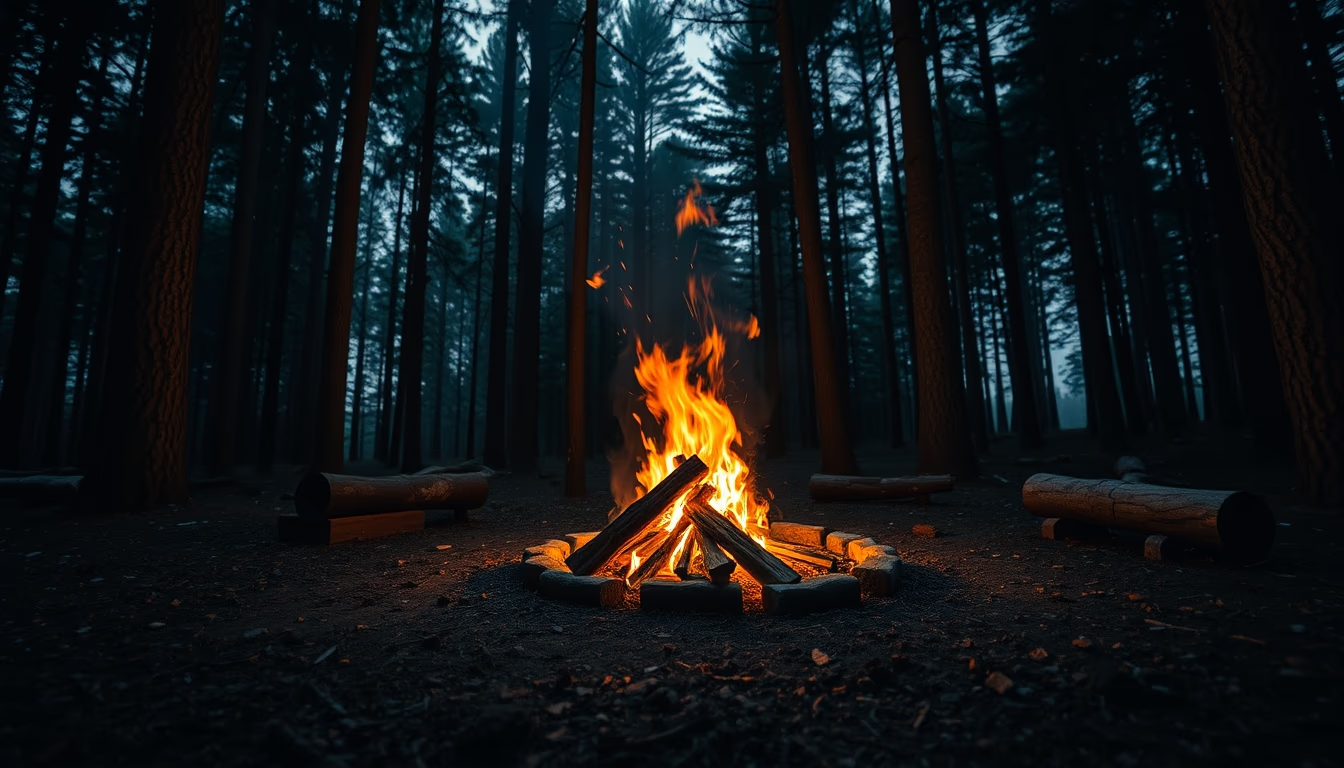
Fogueiras em florestas são símbolos de conexão com a natureza e reunem tradições ancestrais, mas exigem cuidados para evitar incêndios.
Sobre o tema
Fogueiras são uma das práticas mais antigas da humanidade, remontando ao controle do fogo há cerca de 1,5 milhão de anos. Em ambientes florestais, elas servem como ponto central para socialização, cozimento de alimentos e aquecimento, especialmente em acampamentos. No Brasil, tradições como a fogueira de São João nas regiões Nordeste e Centro-Oeste mostram como o fogo está enraizado na cultura popular, embora em contextos urbanos e rurais distintos.
Em florestas temperadas e boreais, as fogueiras são comuns em atividades de recreação ao ar livre, como camping e trilhas. Nos Estados Unidos, o Serviço Florestal estima que cerca de 85% dos incêndios florestais são causados por humanos, muitos deles relacionados a fogueiras mal apagadas. Por isso, regulamentações rigorosas exigem o uso de anéis de fogo ou fogões portáteis em áreas designadas. No Brasil, o ICMBio e o Corpo de Bombeiros recomendam que fogueiras sejam feitas apenas em locais permitidos, com distância segura de vegetação seca e sempre supervisionadas.
A escolha da madeira também impacta a segurança e o meio ambiente. Madeiras resinadas, como pinho, produzem mais faíscas e podem causar incêndios. Já madeiras duras, como carvalho e eucalipto, queimam de forma mais estável e por mais tempo. Além disso, a fumaça das fogueiras contém partículas finas que afetam a qualidade do ar, sendo contraindicada em períodos de seca ou em regiões com problemas respiratórios.
Culturalmente, a fogueira é um elemento de união, presente em rituais indígenas, festas juninas e encontros de escoteiros. No Canadá e Escandinávia, fogueiras em lagos congelados ou à beira de rios são tradições de inverno. No entanto, com o aumento das temperaturas globais e as secas prolongadas, as restrições a fogueiras em florestas têm se intensificado, incentivando alternativas como fogões a gás ou lanternas. O equilíbrio entre a preservação da experiência ancestral e a proteção ambiental é um desafio contemporâneo.
Perguntas frequentes
Como fazer uma fogueira de forma segura em uma floresta?
Escolha um local permitido, longe de vegetação seca e galhos baixos. Use um anel de fogo ou cave um buraco rodeado por pedras. Mantenha um balde de água ou areia por perto e nunca deixe a fogueira desacompanhada. Apague completamente com água e terra antes de sair.
Quais os principais riscos de uma fogueira em área florestal?
Os riscos incluem incêndios florestais, queimaduras, inalação de fumaça e danos ao solo. Fogueiras mal apagadas podem se alastrar com o vento e provocar grandes incêndios, especialmente em épocas de seca.
Existem alternativas à fogueira tradicional para acampamentos?
Sim, fogões portáteis a gás ou álcool, lanternas térmicas e fogueiras em recipientes fechados (como fire pits) são opções mais seguras e com menor impacto ambiental. Muitos parques nacionais exigem o uso dessas alternativas.
URL direta
https://pub-c7d6a6ea828543ac903a74a341ccb2e1.r2.dev/imagens/campfire-roaring-forest-magazine-editorial-p3.avifComo creditar
Inclua um link visível de volta pro UtilizAí. Copie um dos snippets abaixo:
<a href="https://xn--utiliza-eza.com/midia/imagens/campfire-roaring-forest-magazine-editorial-p3">Campfire roaring forest</a> by <a href="https://xn--utiliza-eza.com">UtilizAí</a>, licensed under <a href="https://creativecommons.org/licenses/by/4.0/">CC BY 4.0</a>.
[Campfire roaring forest](https://xn--utiliza-eza.com/midia/imagens/campfire-roaring-forest-magazine-editorial-p3) by [UtilizAí](https://xn--utiliza-eza.com), CC BY 4.0
Licença: CC-BY-4.0