Cacao pods harvested
1344×768 · AVIF · CC BY 4.0
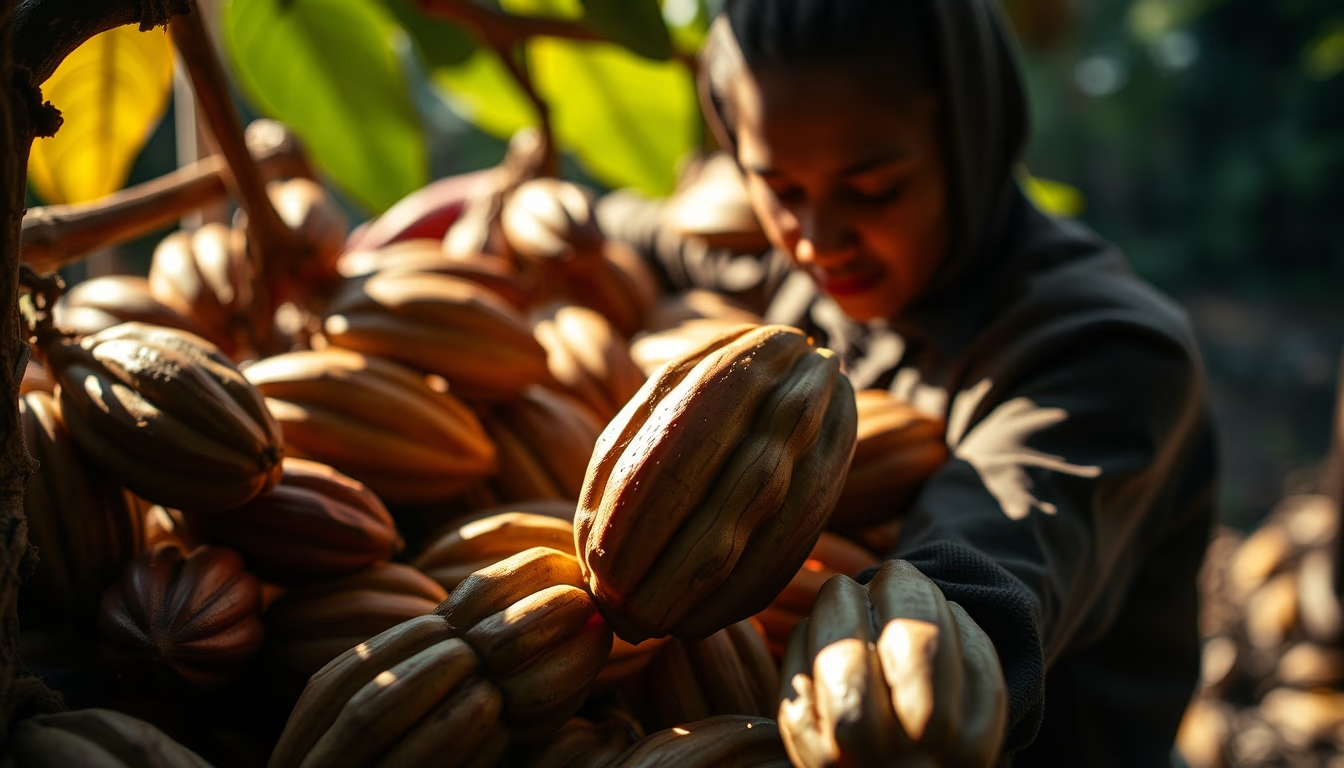
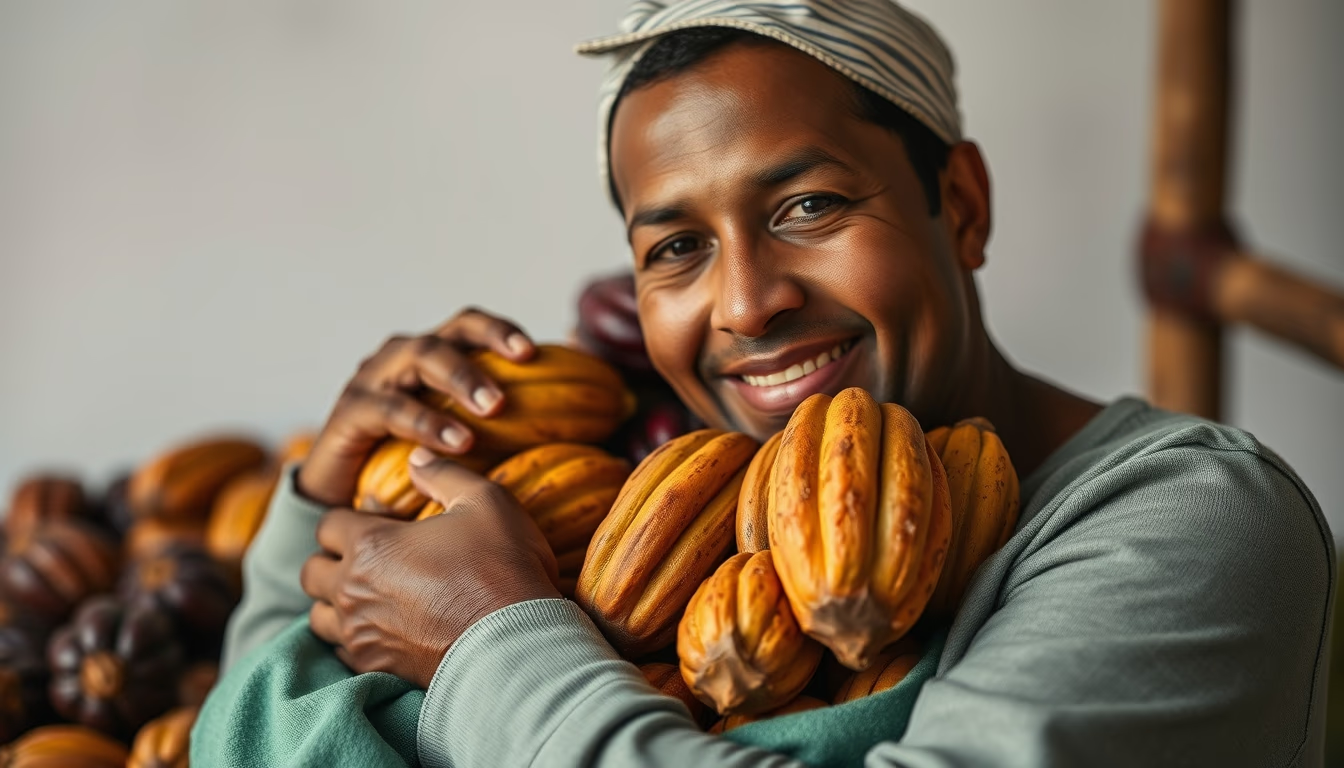
Freshly harvested cacao pods, essential for chocolate production, are mainly grown in tropical regions of Africa, South America, and Asia.
About this subject
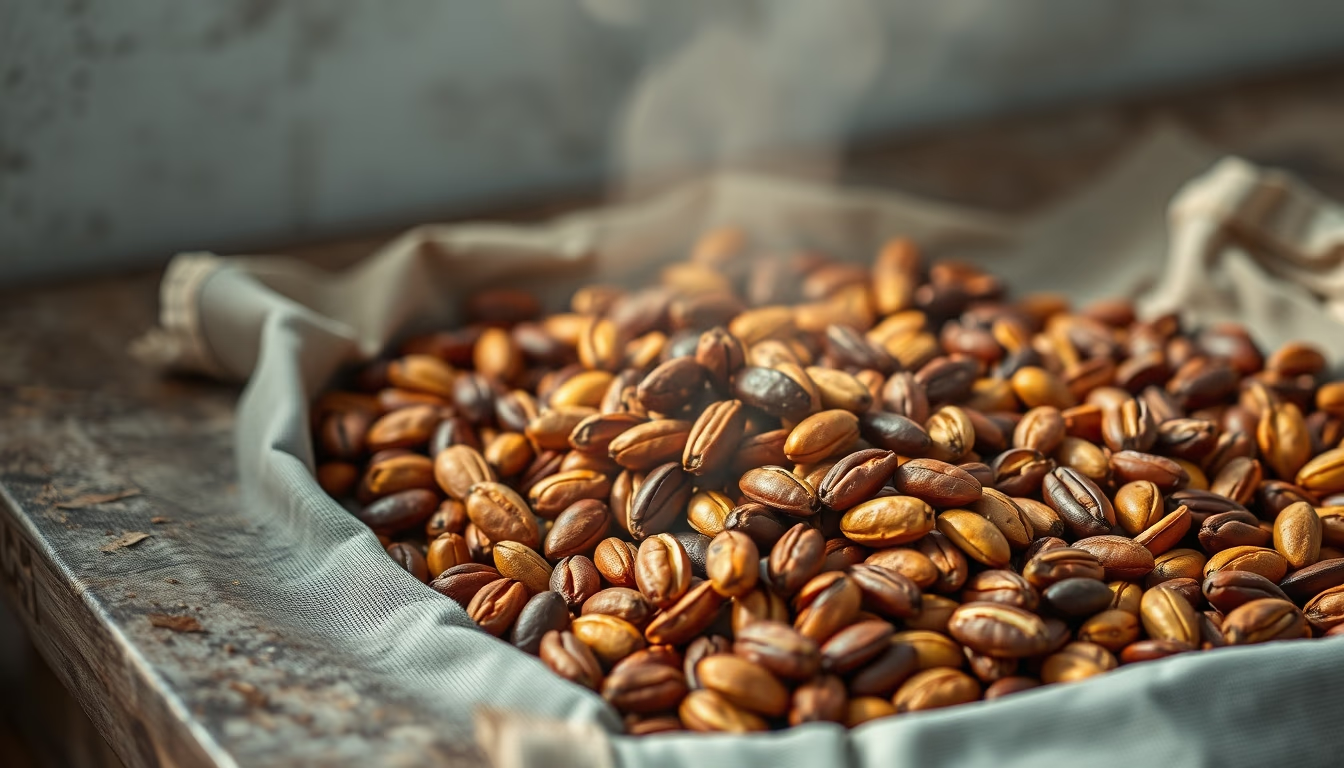
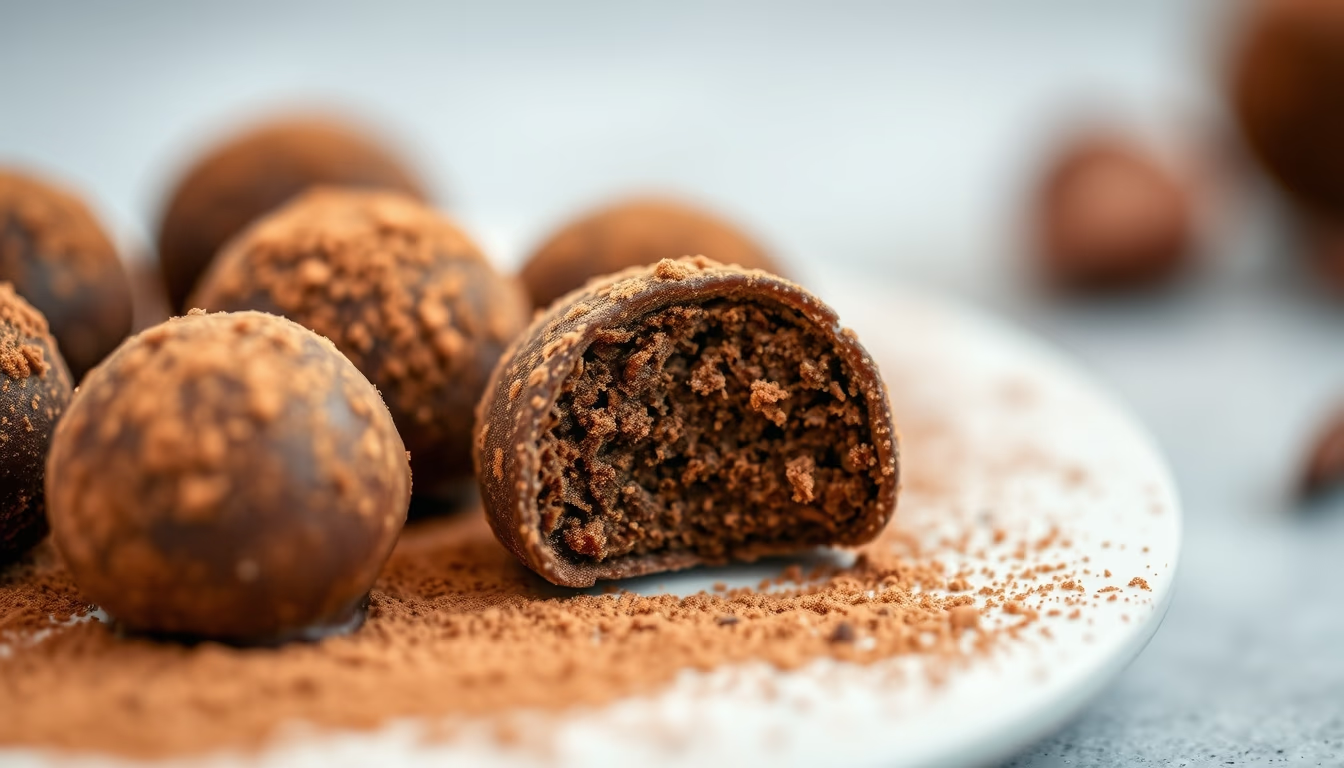
Cacao pods are the fruits of the cacao tree (Theobroma cacao), native to the Amazon region. Each pod contains 20 to 60 seeds, which after fermentation, drying, and roasting become cacao nibs, the basis of chocolate. Harvesting is done manually with machetes, cutting ripe pods from the trunk and branches, as the cacao tree produces fruit year-round, but with two main harvests: the mid-crop (May to July) and the main crop (October to January) in countries like Ivory Coast, Ghana, Indonesia, and Brazil.
Cacao quality depends on factors such as tree clone, soil, and post-harvest processing. Fermentation, lasting 5 to 7 days, is crucial to develop chocolate flavor precursors. After harvest, pods are split open and beans removed for this process. Brazil, especially southern Bahia, was a major producer but suffered from witches' broom disease in the 1990s. Today, Pará leads national production, with emphasis on fine flavor cacao.
Globally, demand for sustainable cacao grows, with certifications like Fair Trade and Rainforest Alliance. Cacao cultivation also plays a vital socioeconomic role for millions of smallholder farmers in West Africa, where about 70% of the world's cacao is produced. Manual harvesting and artisanal processing still prevail, preserving centuries-old traditions.
Frequently Asked Questions
How are cacao pods harvested?
Harvesting is done manually with machetes, cutting ripe pods directly from the trunk and branches of the cacao tree. The pods are opened on site or transported to a processing area.
How long does it take for a cacao tree to produce pods?
A cacao tree begins bearing fruit 3 to 5 years after planting. It remains productive for about 25 years, with two main harvests per year.
What is the difference between common cacao and fine flavor cacao?
Fine flavor cacao is produced from specific varieties (like Criollo and Trinitario) and undergoes careful post-harvest processing, resulting in more complex flavors. Common cacao (Forastero) is hardier and more bitter, used in commercial chocolate.
Direct URL
https://pub-c7d6a6ea828543ac903a74a341ccb2e1.r2.dev/imagens/cacao-pods-harvested-rembrandt-lighting-dramatic-shadows-fresh15.avifHow to credit
Include a visible link back to UtilizAí. Copy one of the snippets below:
<a href="https://xn--utiliza-eza.com/en/midia/imagens/cacao-pods-harvested-rembrandt-lighting-dramatic-shadows-fresh15">Cacao pods harvested</a> by <a href="https://xn--utiliza-eza.com">UtilizAí</a>, licensed under <a href="https://creativecommons.org/licenses/by/4.0/">CC BY 4.0</a>.
[Cacao pods harvested](https://xn--utiliza-eza.com/en/midia/imagens/cacao-pods-harvested-rembrandt-lighting-dramatic-shadows-fresh15) by [UtilizAí](https://xn--utiliza-eza.com), CC BY 4.0
License: CC-BY-4.0