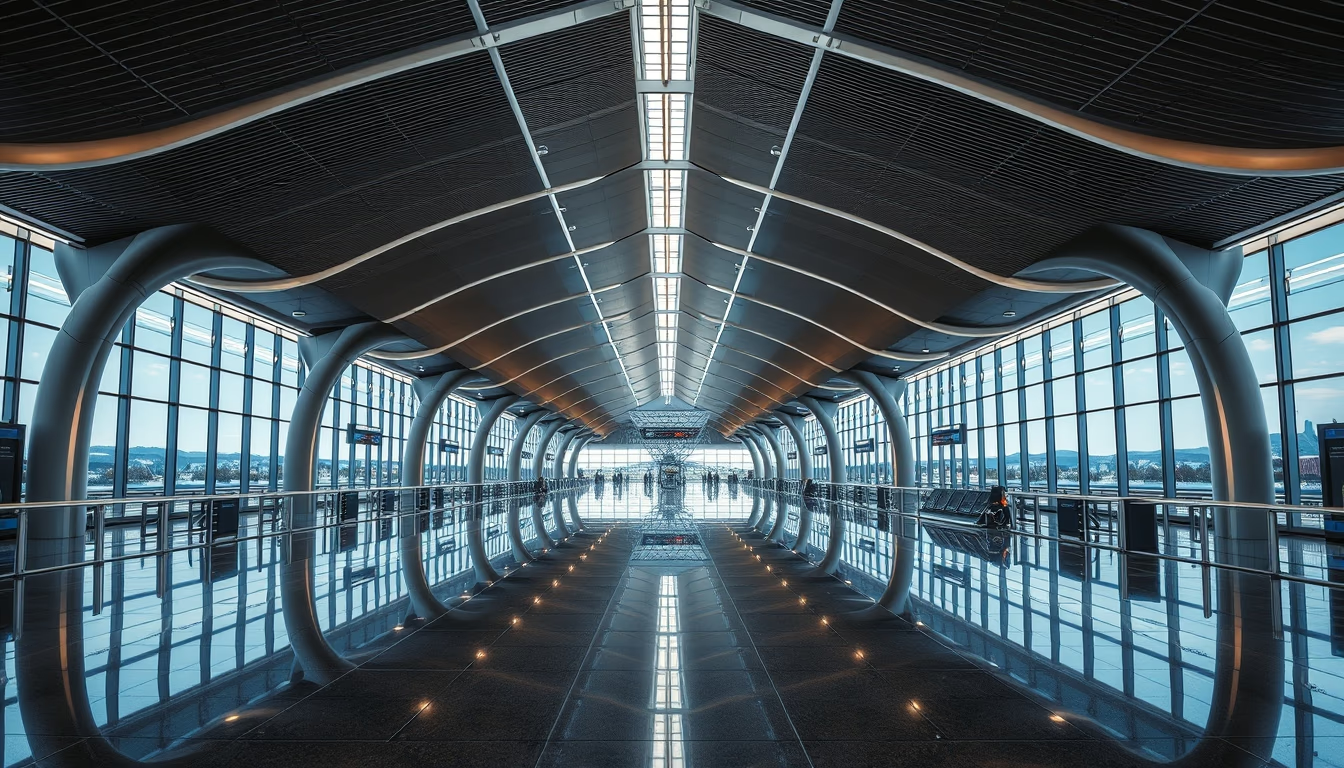
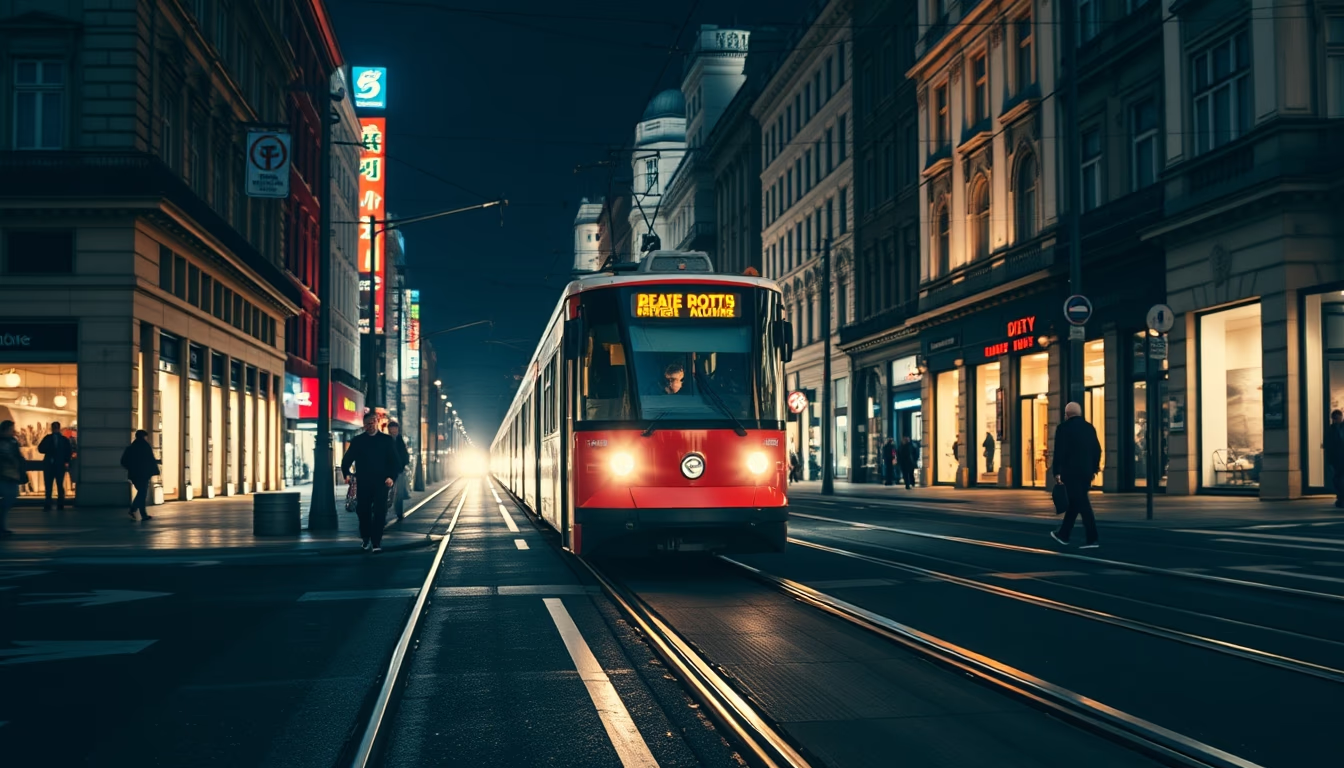
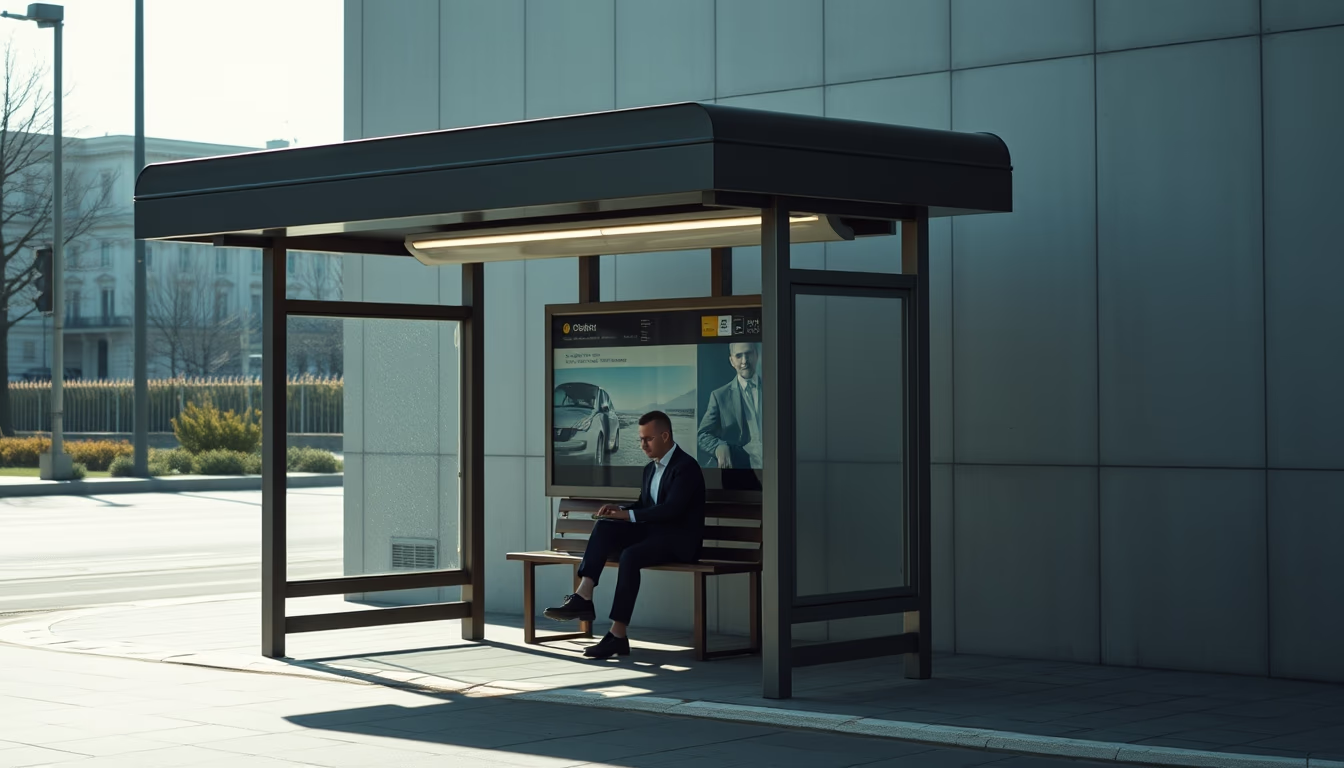
Bus stop minimalist
1344×768 · AVIF · CC BY 4.0

Minimalist bus stops blend functionality and clean aesthetics, turning public transit into a visual experience.
About this subject
Minimalist bus stop design emerged as a response to visual pollution and the need for functional, cost-effective shelters. Inspired by the modernist movement and the Bauhaus school, the concept prioritizes clean lines, materials like steel and glass, and absence of ornamentation. Cities like Curitiba (Brazil) adopted tubular modular shelters that became icons of efficiency. The Curitiba tube station, designed by architect Domingos Bongestabs, is a worldwide example: a cylindrical glass-and-steel structure with integrated paid entry and rapid passenger flow.
Globally, minimalist bus stops reduce maintenance costs, simplify cleaning, and adapt to different climates and urban landscapes. In Japan, simplicity aligns with Zen culture and high population density. Models like Singapore's 'Bus Stop 2.0' incorporate solar panels and digital information without losing the clean aesthetic. In Brazil, São Paulo's 'Parada Moderna' program installed minimalist structures, replacing older visually cluttered shelters.
A technical curiosity: minimalism also favors accessibility. Integrated ramps, tactile paving, and simplified signage make stops more inclusive. Additionally, glass transparency allows users to see approaching buses, enhancing safety. The impact goes beyond function: minimalist stops become tourist landmarks. In Stockholm, the 'Västra Hamnen' stop is photographed for its sculptural and sustainable design.
The future points to even more integrated stops: with IoT sensors to monitor occupancy, USB charging, and screens displaying digital art. But the minimalist foundation remains: less is more, especially when it comes to efficient and pleasant urban mobility.
Frequently Asked Questions
What defines a minimalist bus stop?
It is a shelter with a simplified design, straight lines, materials like steel and glass, without unnecessary decorative elements. It prioritizes functionality, durability, and integration into the urban environment.
Which Brazilian city is a reference for minimalist bus stops?
Curitiba, with its tube stations designed by Domingos Bongestabs. They are made of glass and steel, allow fare integration, and speed up boarding.
Does minimalism in bus stops improve accessibility?
Yes. Ramps, tactile paving, and simplified signage are common in this style, making it easier for people with disabilities or reduced mobility to use them.
Direct URL
https://pub-c7d6a6ea828543ac903a74a341ccb2e1.r2.dev/imagens/bus-stop-minimalist-studio-editorial-portrait-p2.avifHow to credit
Include a visible link back to UtilizAí. Copy one of the snippets below:
<a href="https://xn--utiliza-eza.com/en/midia/imagens/bus-stop-minimalist-studio-editorial-portrait-p2">Bus stop minimalist</a> by <a href="https://xn--utiliza-eza.com">UtilizAí</a>, licensed under <a href="https://creativecommons.org/licenses/by/4.0/">CC BY 4.0</a>.
[Bus stop minimalist](https://xn--utiliza-eza.com/en/midia/imagens/bus-stop-minimalist-studio-editorial-portrait-p2) by [UtilizAí](https://xn--utiliza-eza.com), CC BY 4.0
License: CC-BY-4.0