British afternoon tea
1344×768 · AVIF · CC BY 4.0
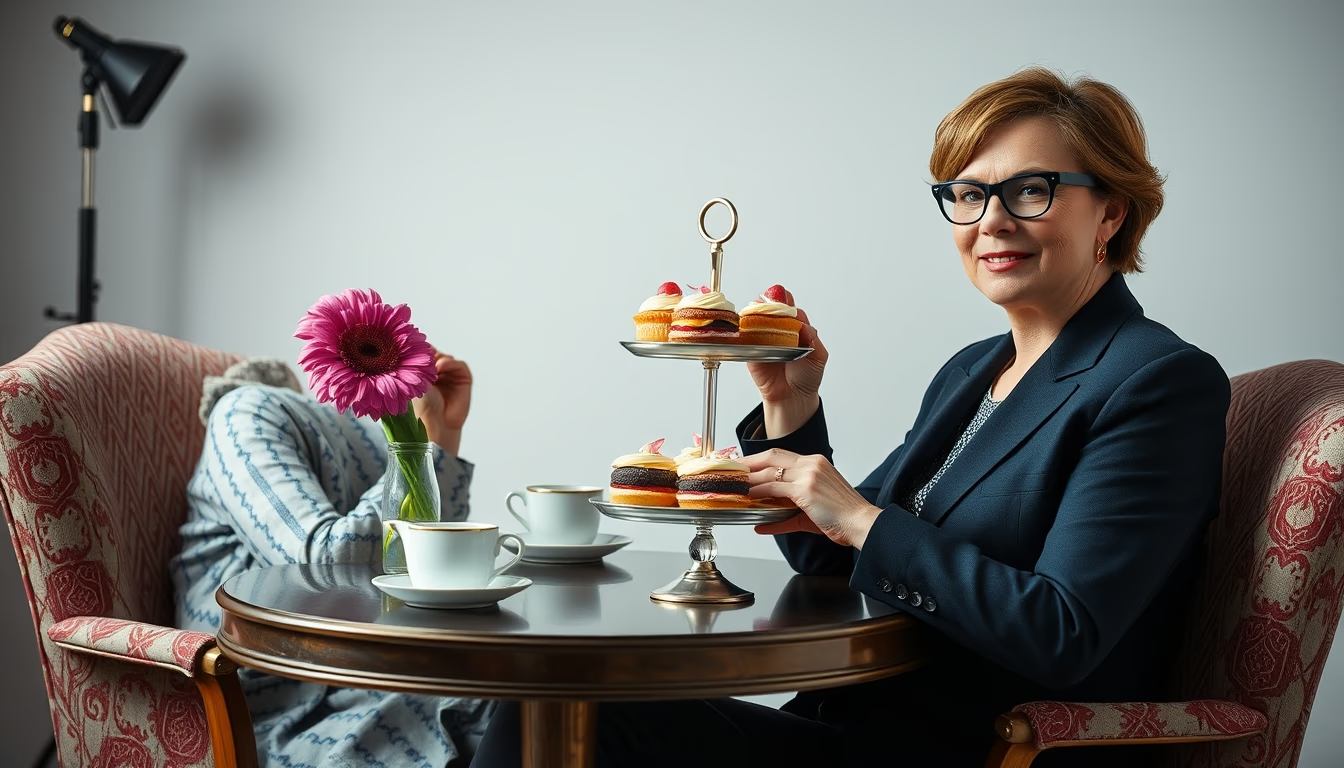
Discover the British tradition of afternoon tea, a social ritual combining finger sandwiches, scones, and delicate pastries with black tea since the 19th century.
About this subject
British afternoon tea originated in the early 1840s when Anna Russell, the Duchess of Bedford, felt hungry between lunch and dinner and requested a light meal of tea, bread, butter, and cakes. The practice caught on among Victorian aristocracy and eventually spread across all social classes.
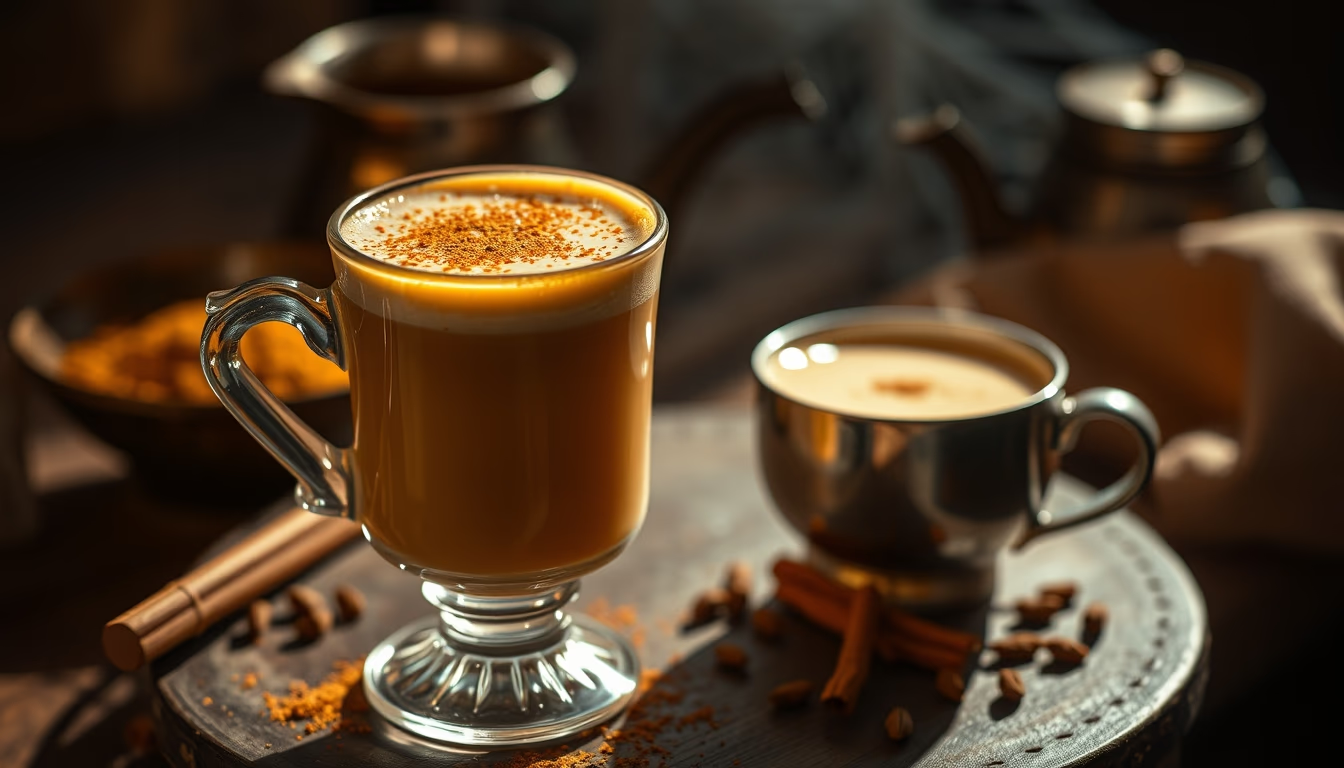
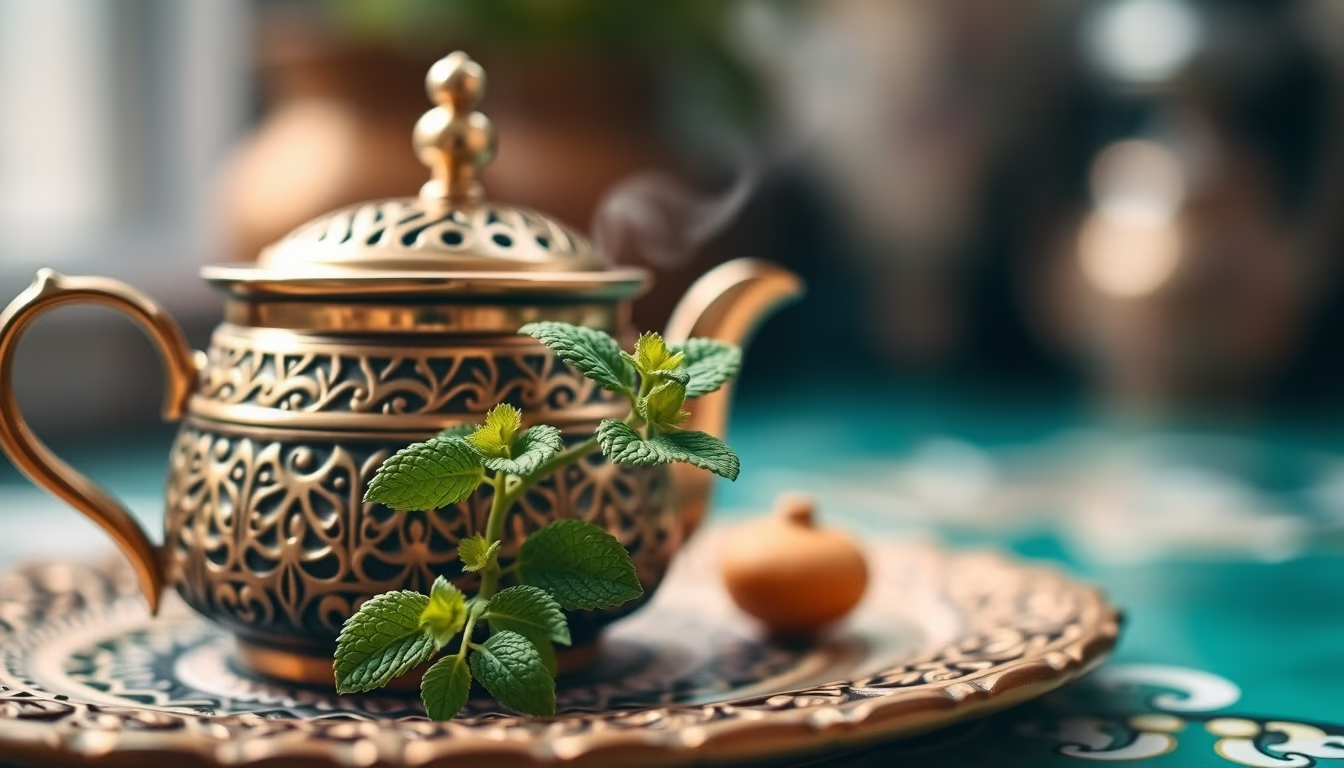
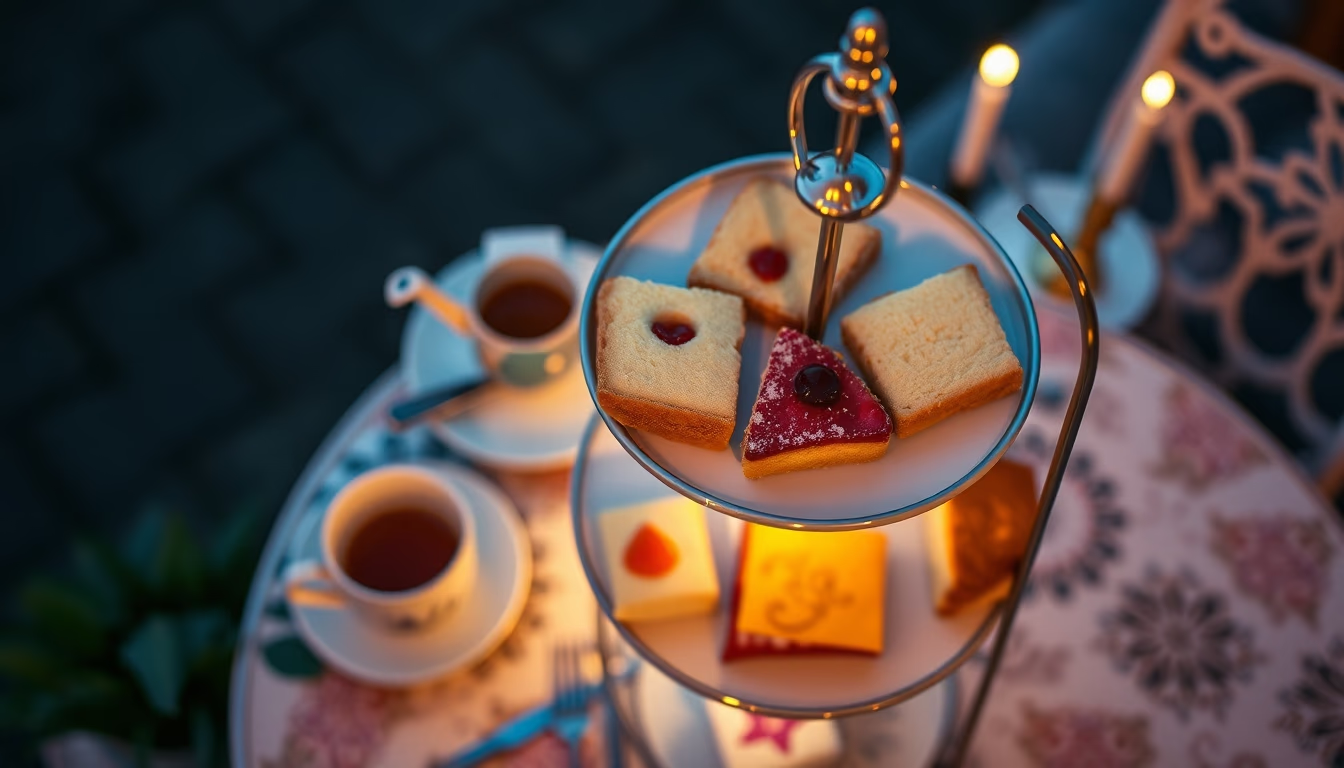
A traditional afternoon tea features a selection of finger sandwiches such as cucumber, smoked salmon, and egg, accompanied by scones with clotted cream and strawberry jam. Cakes like pound cake and petits fours round out the spread. The tea is typically black, such as Earl Grey, Darjeeling, or Assam, brewed in a pot and served with milk and sugar to taste.
It is important to distinguish afternoon tea from high tea. Afternoon tea is a light, elegant meal served between 3 and 5 p.m., while high tea was a more substantial working-class meal eaten in the late afternoon with hot dishes like meat and pies. Today, the term high tea is often mistakenly used to refer to afternoon tea.
Afternoon tea etiquette includes holding the cup with thumb and forefinger without extending the pinky, and stirring the tea silently. Scones should be broken by hand, not cut with a knife. The tradition remains alive in British hotels and tea rooms, serving as a tourist attraction and a cultural symbol of the United Kingdom.
Frequently Asked Questions
What is the difference between afternoon tea and high tea?
Afternoon tea is a light, elegant meal served between 3 and 5 p.m., with finger sandwiches, scones, and pastries. High tea was a more substantial working-class meal eaten in the late afternoon with hot dishes like meat and pies. Today, high tea is often incorrectly used as a synonym for afternoon tea.
What are the traditional elements of a British afternoon tea?
Traditional elements include cucumber, smoked salmon, and egg finger sandwiches, scones with clotted cream and strawberry jam, cakes like pound cake and petits fours, and black teas such as Earl Grey, Darjeeling, or Assam, served with milk and sugar.
How did the tradition of afternoon tea originate?
The tradition began in the 1840s with Anna Russell, the Duchess of Bedford, who felt hungry between lunch and dinner and began requesting a light meal of tea and snacks. The practice became popular among the aristocracy and later spread to all social classes.
Direct URL
https://pub-c7d6a6ea828543ac903a74a341ccb2e1.r2.dev/imagens/british-afternoon-tea-studio-editorial-portrait-fresh16.avifHow to credit
Include a visible link back to UtilizAí. Copy one of the snippets below:
<a href="https://xn--utiliza-eza.com/en/midia/imagens/british-afternoon-tea-studio-editorial-portrait-fresh16">British afternoon tea</a> by <a href="https://xn--utiliza-eza.com">UtilizAí</a>, licensed under <a href="https://creativecommons.org/licenses/by/4.0/">CC BY 4.0</a>.
[British afternoon tea](https://xn--utiliza-eza.com/en/midia/imagens/british-afternoon-tea-studio-editorial-portrait-fresh16) by [UtilizAí](https://xn--utiliza-eza.com), CC BY 4.0
License: CC-BY-4.0