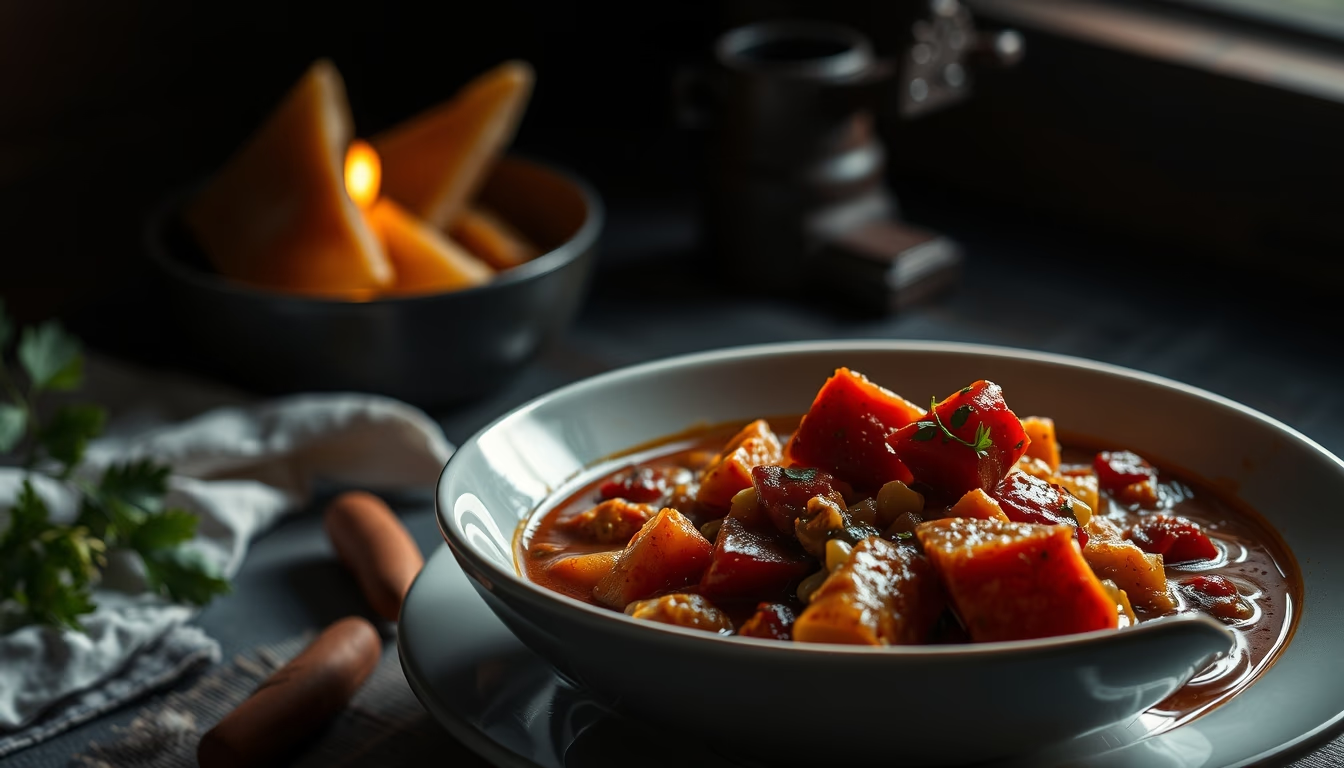
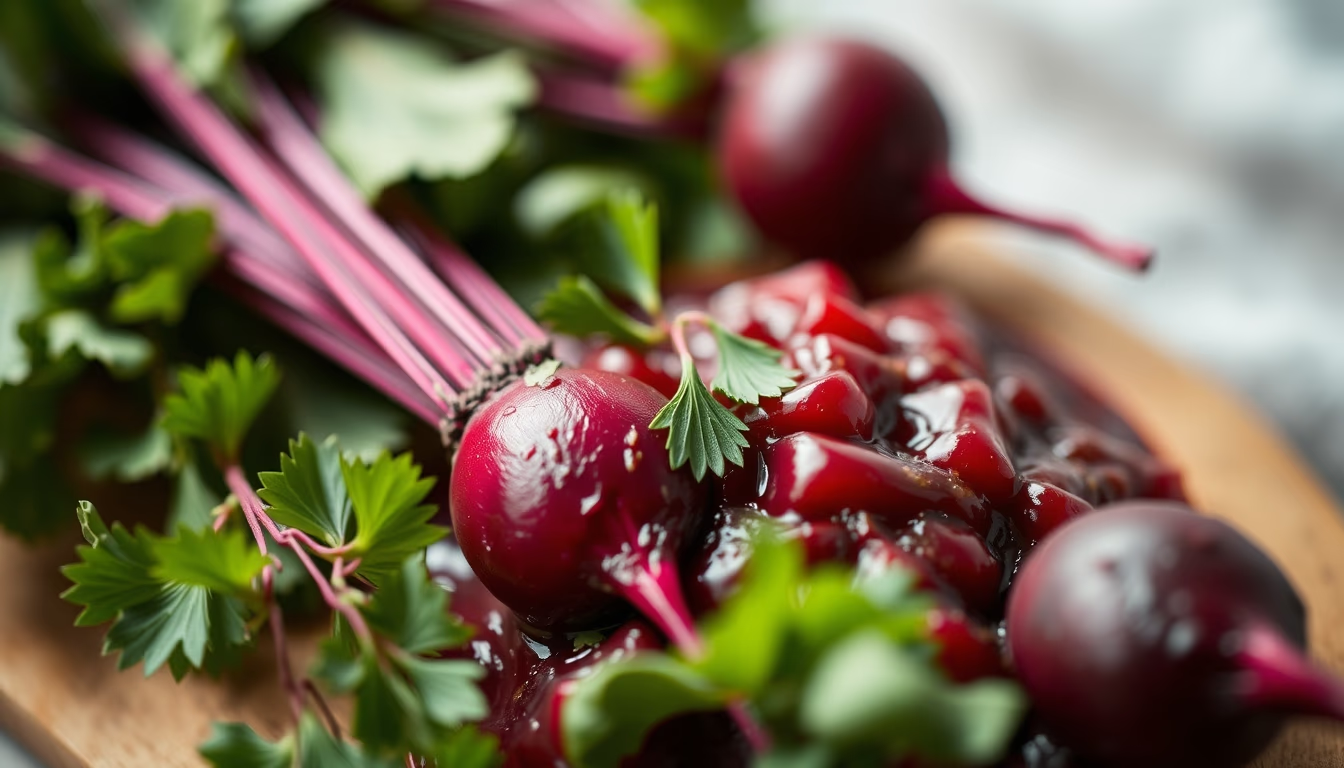
Borscht russian beet
1344×768 · AVIF · CC BY 4.0
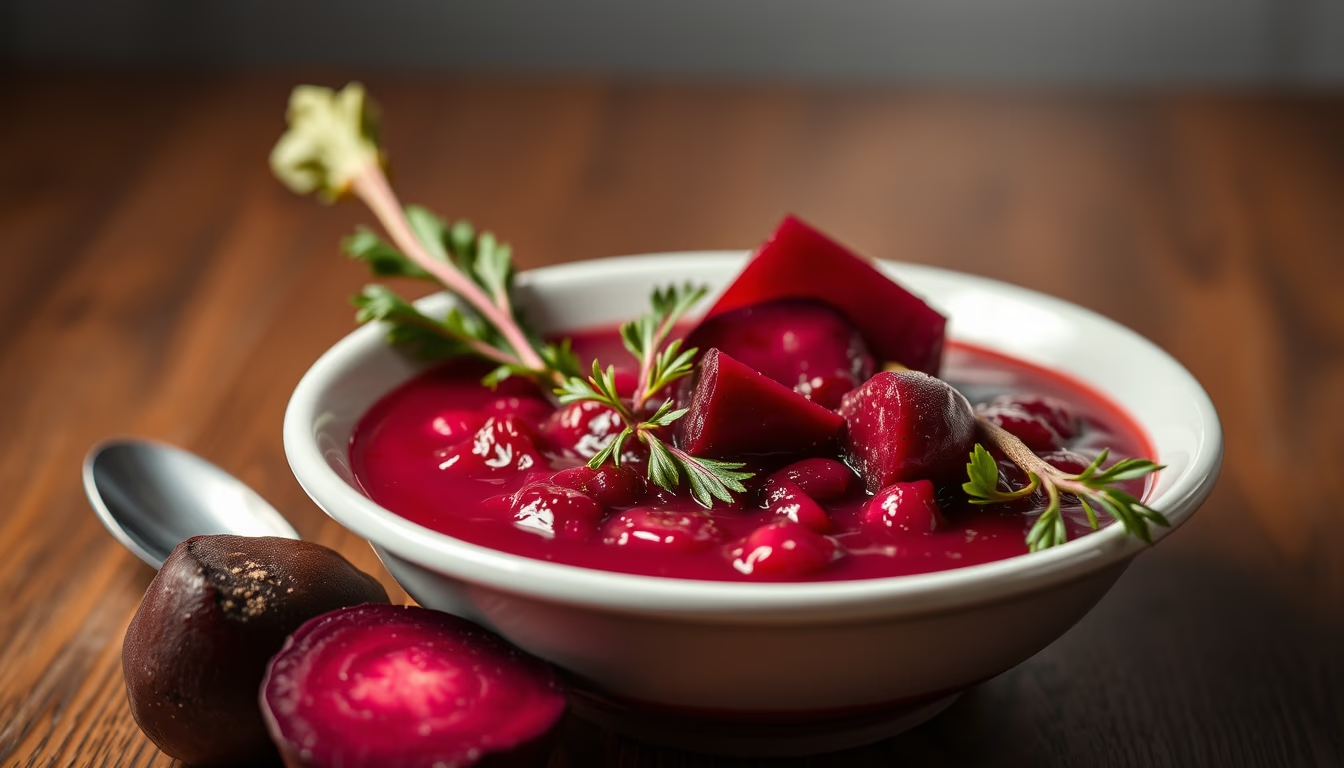
Borscht is a beetroot soup originating from Ukraine, traditional in Slavic cuisine and globally recognized for its vibrant color and sweet-sour flavor.
About this subject
Borscht is a beetroot soup deeply rooted in Eastern European cuisine, especially in Ukraine, Russia, Poland, and the Baltic states. Its history dates back to at least the 14th century, when beetroot began to be cultivated in the region. Originally, the term "borscht" referred to a soup made from hogweed leaves, but over time it came to designate the beetroot version, which became the most popular.
The traditional Ukrainian borscht recipe includes beetroot, cabbage, potato, carrot, onion, and meat (usually beef or pork), all simmered in a rich broth. The characteristic acidity is achieved by adding vinegar or lemon juice, and the dish is often finished with sour cream (smetana) and fresh dill. There are many regional variations: in Poland, mushrooms are added; in Russia, it is served with meat pies (pirozhki); and in Lithuania, it is prepared cold, with kefir and grated beetroot.
Borscht can be served hot or cold, with hot borscht being more common in winter and cold borscht in summer. In 2015, UNESCO recognized Ukrainian borscht as an intangible cultural heritage, highlighting its importance in national identity. Although often associated with Russia, the dish has Ukrainian roots, and the dispute over its origin has sparked cultural and political debates.
A curious fact: borscht is so popular that it gave rise to idiomatic expressions, such as "borscht belt" in the United States, referring to a region of resorts frequented by Jewish immigrants from Eastern Europe. Additionally, the vibrant purple color of the soup comes from the natural pigments in beetroot, which are water-soluble and preserved during cooking.
Frequently Asked Questions
What is the origin of borscht?
Borscht originates from Ukraine, where it is considered a national dish. Although popular across Eastern Europe, the beetroot version emerged in Ukraine around the 14th century.
Is borscht served hot or cold?
Both. Hot borscht is traditional in winter, while cold borscht, often made with kefir or sour cream, is enjoyed in summer.
What are the traditional ingredients of borscht?
Typical ingredients include beetroot, cabbage, potato, carrot, onion, meat or vegetable broth, and seasonings like dill and vinegar. The dish is often served with smetana (sour cream) and fresh dill.
Direct URL
https://pub-c7d6a6ea828543ac903a74a341ccb2e1.r2.dev/imagens/borscht-russian-beet-studio-editorial-portrait-fresh1.avifHow to credit
Include a visible link back to UtilizAí. Copy one of the snippets below:
<a href="https://xn--utiliza-eza.com/en/midia/imagens/borscht-russian-beet-studio-editorial-portrait-fresh1">Borscht russian beet</a> by <a href="https://xn--utiliza-eza.com">UtilizAí</a>, licensed under <a href="https://creativecommons.org/licenses/by/4.0/">CC BY 4.0</a>.
[Borscht russian beet](https://xn--utiliza-eza.com/en/midia/imagens/borscht-russian-beet-studio-editorial-portrait-fresh1) by [UtilizAí](https://xn--utiliza-eza.com), CC BY 4.0
License: CC-BY-4.0