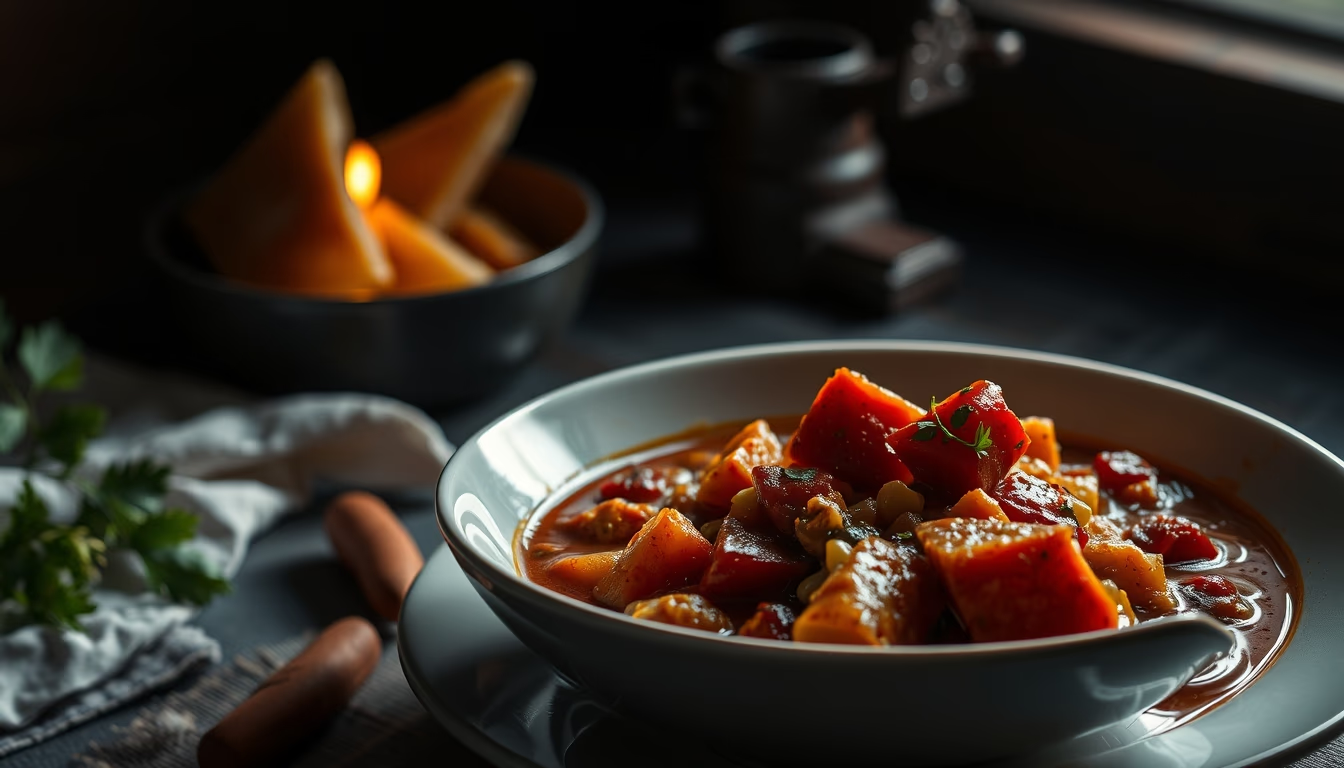
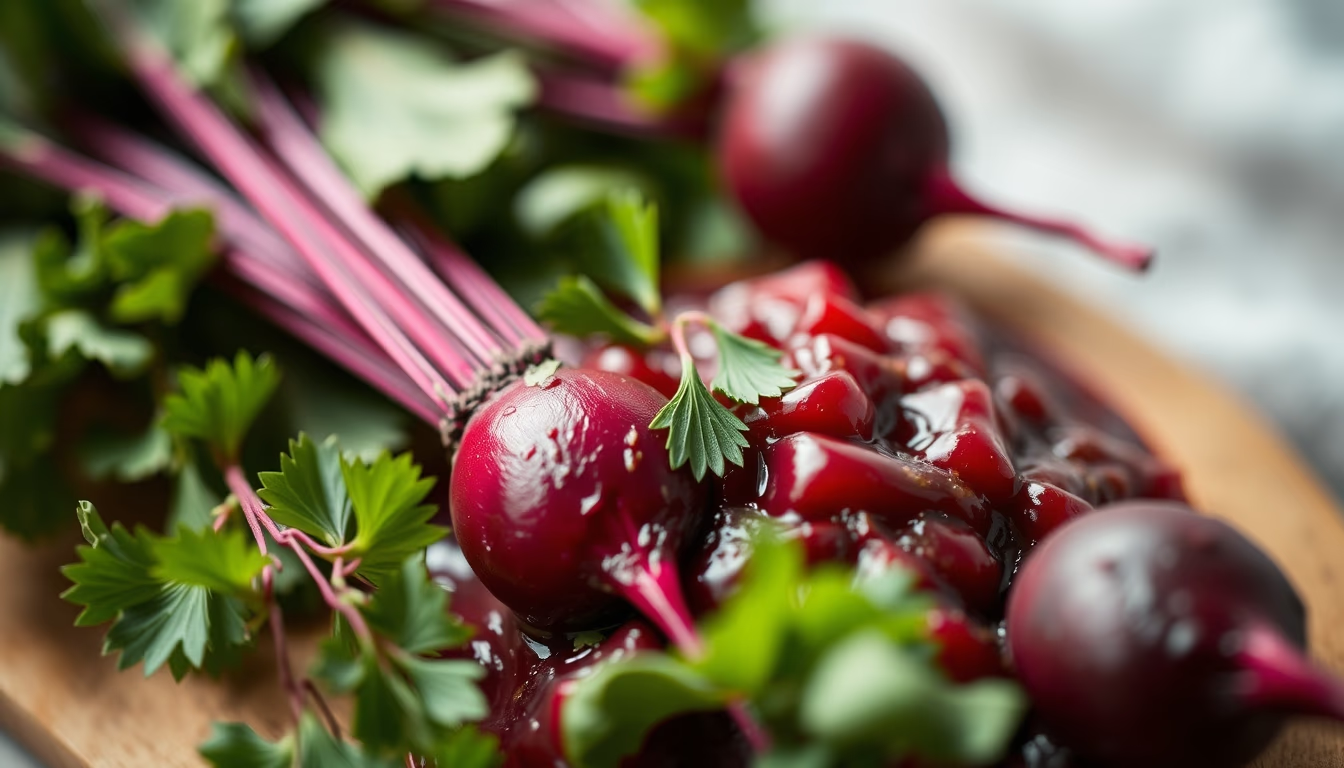
Borscht russian beet
1344×768 · AVIF · CC BY 4.0
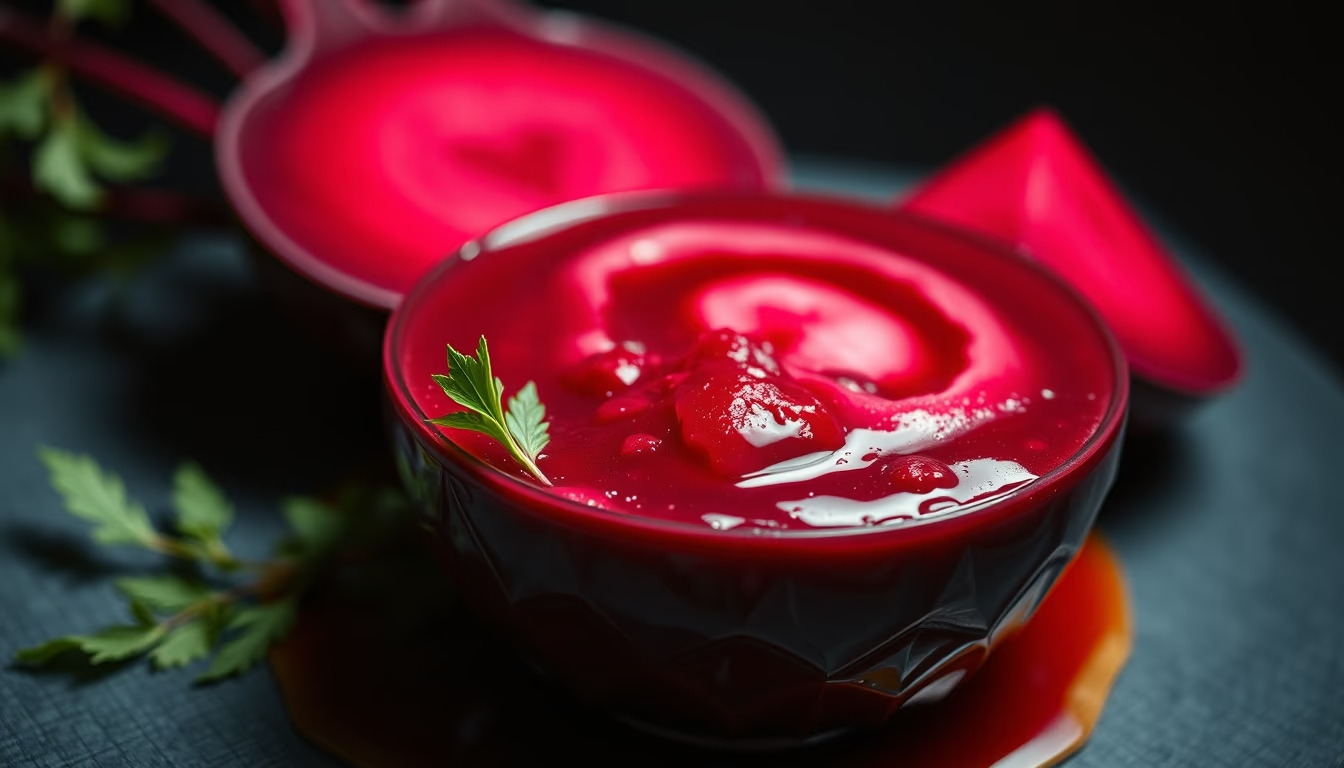
A beetroot soup of Ukrainian and Russian origin, borscht is an Eastern European staple known for its vibrant color and sweet-sour flavor.
About this subject
Borscht is a beetroot soup that has become an icon of Eastern European cuisine, particularly in Ukraine, Russia, Poland, and the Baltic states. Its origins trace back to medieval Ukraine, where beetroot was a staple crop. The classic recipe includes beets, cabbage, potatoes, carrots, onions, and meat broth (usually beef or pork), simmered slowly to develop a rich flavor. The sour note comes from vinegar, lemon juice, or sauerkraut. Regional variations abound: in Poland, mushrooms are added; in Lithuania, it's served with horseradish; in Russia, beans are sometimes included. Borscht is often garnished with smetana (sour cream) and fresh dill. In Ukraine, the dish holds such cultural significance that UNESCO recognized it as an Intangible Cultural Heritage in 2022, following centuries of tradition. Besides the hot version, there is cold borscht (e.g., Lithuanian šaltibarščiai), made with kefir and cooked beets, perfect for summer. The name 'borscht' derives from Proto-Slavic *bъrščь, meaning 'beet'. This soup is rich in beta-carotene, fiber, and antioxidants, making it nutritious. In many households, borscht is cooked in large pots and enjoyed over several days, as the flavor improves after resting.
Frequently Asked Questions
What is the origin of borscht?
Borscht originated in medieval Ukraine, later spreading to Russia, Poland, and other Eastern European countries. In 2022, UNESCO recognized Ukrainian borscht as an Intangible Cultural Heritage.
What are the main ingredients of traditional borscht?
Classic ingredients include beets, cabbage, potatoes, carrots, onions, and meat broth (beef or pork). The sour flavor comes from vinegar, lemon juice, or sauerkraut. It is typically served with smetana (sour cream) and dill.
Is there a difference between Ukrainian and Russian borscht?
Yes, variations exist. Ukrainian borscht is often heartier and may include beans, while Russian borscht sometimes has extra potatoes and is less sour. Both share the beet base and similar tradition.
Direct URL
https://pub-c7d6a6ea828543ac903a74a341ccb2e1.r2.dev/imagens/borscht-russian-beet-lo-fi-disposable-camera-fresh12.avifHow to credit
Include a visible link back to UtilizAí. Copy one of the snippets below:
<a href="https://xn--utiliza-eza.com/en/midia/imagens/borscht-russian-beet-lo-fi-disposable-camera-fresh12">Borscht russian beet</a> by <a href="https://xn--utiliza-eza.com">UtilizAí</a>, licensed under <a href="https://creativecommons.org/licenses/by/4.0/">CC BY 4.0</a>.
[Borscht russian beet](https://xn--utiliza-eza.com/en/midia/imagens/borscht-russian-beet-lo-fi-disposable-camera-fresh12) by [UtilizAí](https://xn--utiliza-eza.com), CC BY 4.0
License: CC-BY-4.0