Borscht russian beet
1344×768 · AVIF · CC BY 4.0
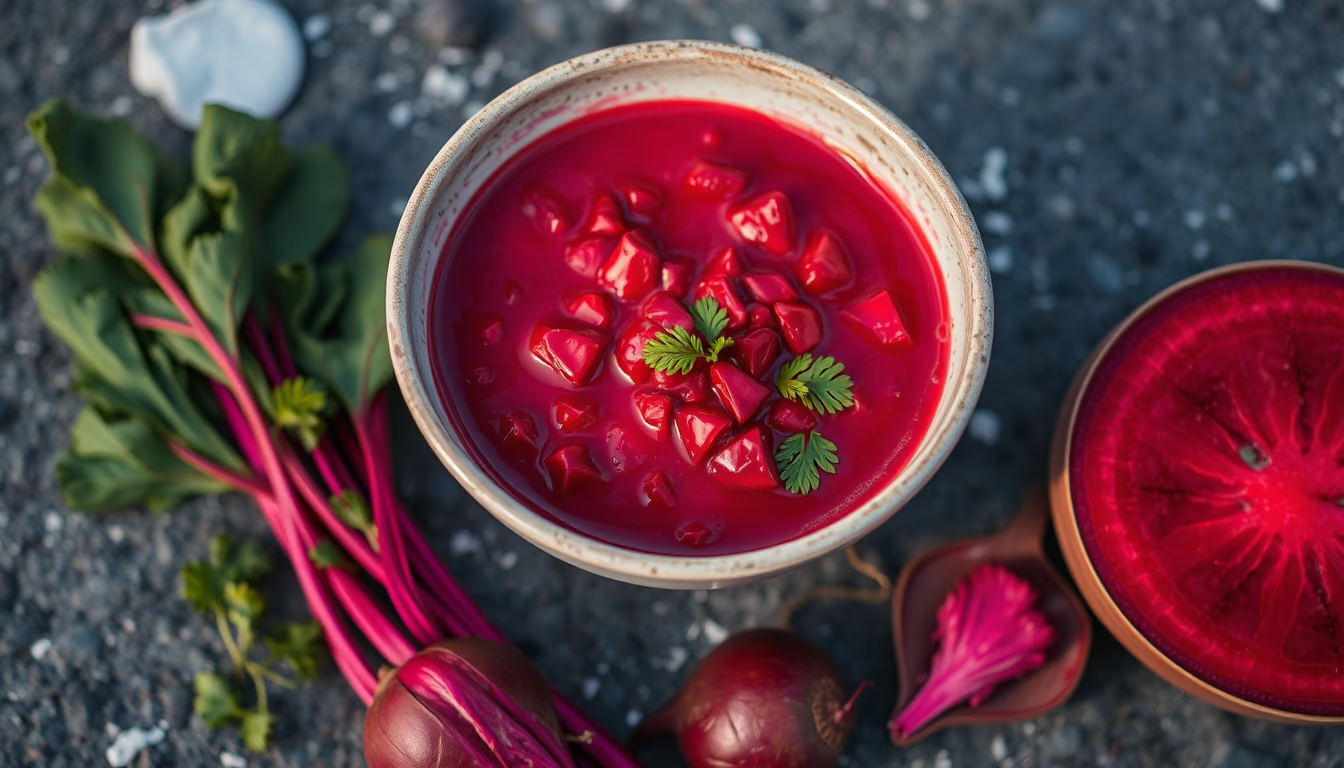
Borscht: the classic beetroot soup from Russian and Ukrainian cuisine, famous for its vibrant color and sweet-sour taste.
About this subject
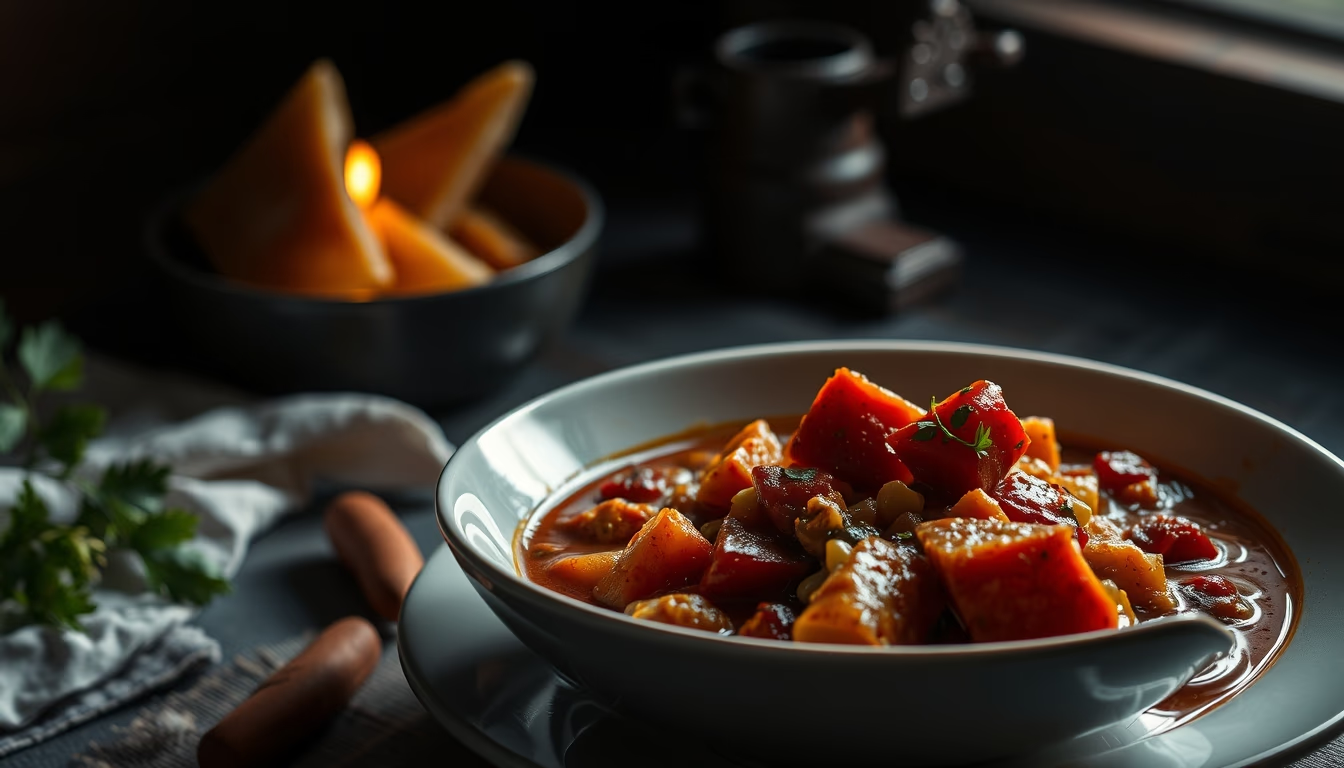
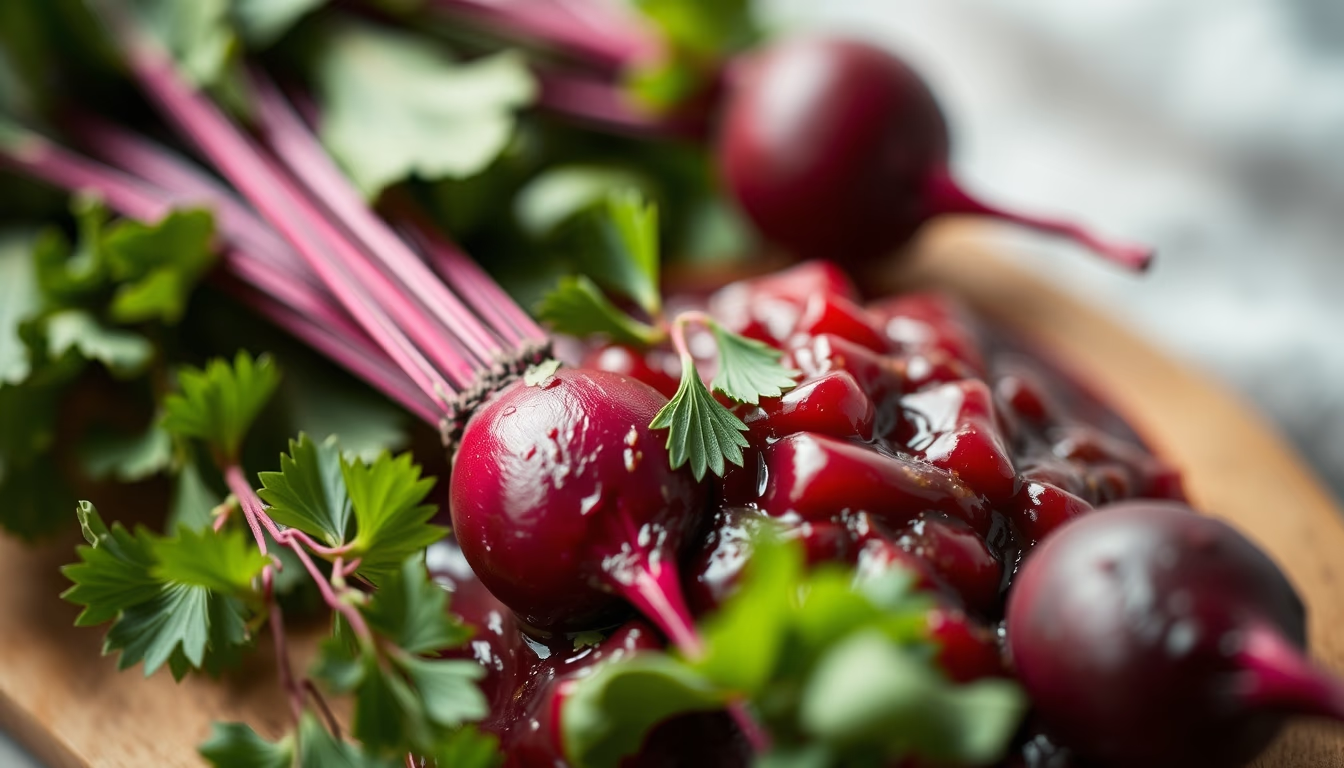
Borscht is a traditional Eastern European soup, particularly associated with Russia and Ukraine, with beetroot as the main ingredient. Its deep red color and characteristic flavor come from fermented or cooked beets, giving it a sweet-and-sour, slightly earthy taste. Countless regional variations exist: hot versions served in winter with meat broth and vegetables like potatoes, carrots, and cabbage; cold versions popular in summer, made with kefir or buttermilk and often accompanied by boiled eggs and dill.
Historically, borscht originated as a peasant soup in Ukraine, with records dating back to the 13th century. Beets were cheap and abundant, and fermentation extended their shelf life. Over time, the soup gained popularity among the nobility and spread across the Russian Empire. Today, it is a national symbol in both Ukraine and Russia, sparking culinary disputes over its origin and authentic recipe.
Nutritionally, borscht is rich in vitamins A, C, and B complex, as well as minerals like iron and potassium. Beets are known for their antioxidant and anti-inflammatory compounds. In contemporary gastronomy, chefs have reinvented the dish, serving lighter versions or using it as a base for other preparations. Borscht is also celebrated in festivals, such as the International Borscht Festival in Ukraine, which attracts cooks and tourists.
For those who wish to try it, borscht can be found in restaurants specializing in Slavic cuisine or made at home. The most traditional version includes meat broth, beetroot, carrot, onion, potato, cabbage, and tomato, finished with sour cream (smetana) and fresh dill. Its complex and warming flavor explains why it is so beloved during the European winter cold.
Frequently Asked Questions
What is the difference between Ukrainian and Russian borscht?
Ukrainian borscht traditionally has more beetroot and is heartier, often including beans and bacon. Russian borscht may have a lighter meat broth base and include ingredients like sausage or pork. However, recipes vary widely among families and regions, and there is no single official version.
Is borscht served hot or cold?
Borscht can be served both hot and cold, depending on the season and regional variation. Hot borscht is common in winter, while cold borscht, often based on kefir, is popular in summer. The cold version is sometimes called 'white borscht' or 'chłodnik' in Poland.
What are the health benefits of beetroot in borscht?
Beetroot is rich in antioxidants, especially betalains, which have anti-inflammatory properties and may help liver detoxification. It also provides fiber, folate, and potassium. Regular consumption may contribute to cardiovascular health and reduced blood pressure.
Direct URL
https://pub-c7d6a6ea828543ac903a74a341ccb2e1.r2.dev/imagens/borscht-russian-beet-aerial-drone-shot-fresh2.avifHow to credit
Include a visible link back to UtilizAí. Copy one of the snippets below:
<a href="https://xn--utiliza-eza.com/en/midia/imagens/borscht-russian-beet-aerial-drone-shot-fresh2">Borscht russian beet</a> by <a href="https://xn--utiliza-eza.com">UtilizAí</a>, licensed under <a href="https://creativecommons.org/licenses/by/4.0/">CC BY 4.0</a>.
[Borscht russian beet](https://xn--utiliza-eza.com/en/midia/imagens/borscht-russian-beet-aerial-drone-shot-fresh2) by [UtilizAí](https://xn--utiliza-eza.com), CC BY 4.0
License: CC-BY-4.0