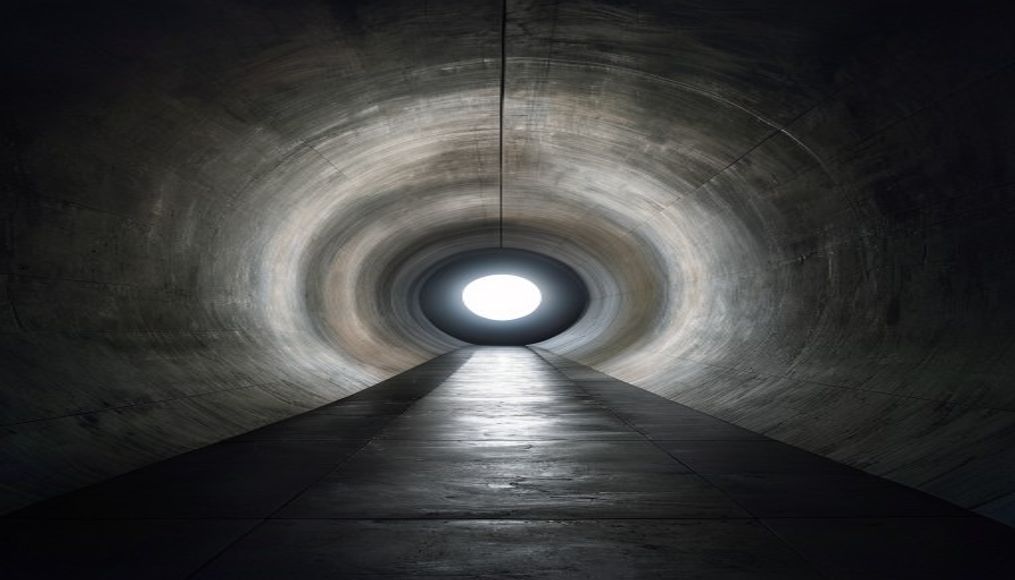
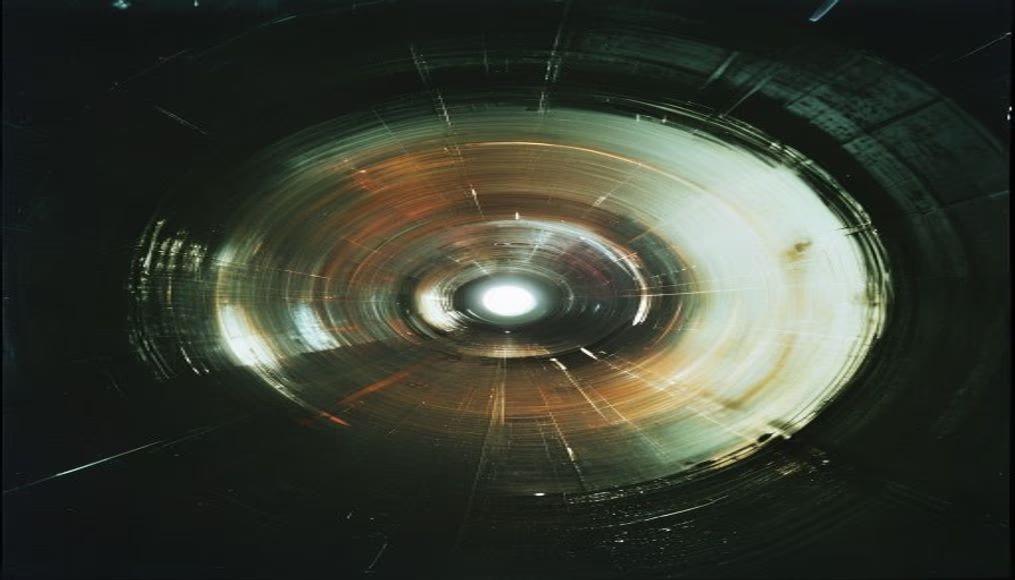
Black hole accretion disk
1344×768 · AVIF · CC BY 4.0
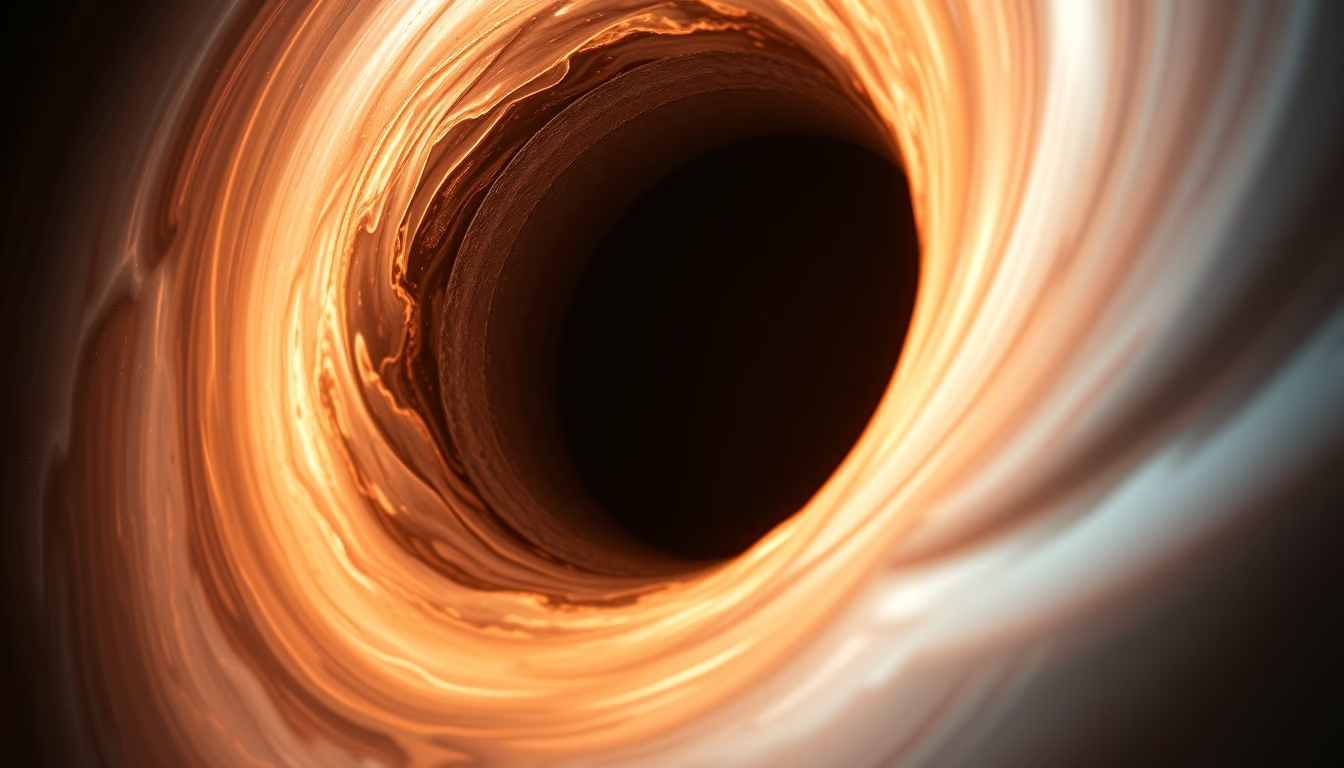
O disco de acreção de um buraco negro é uma estrutura de matéria em espiral que aquece a bilhões de graus, emitindo radiação intensa antes de cruzar o horizonte de eventos.
Sobre o tema
Um disco de acreção é formado quando gás, poeira e estrelas são atraídos pela gravidade de um buraco negro. Esse material não cai diretamente; ele orbita em alta velocidade, formando um disco achatado. O atrito e as colisões entre as partículas aquecem o disco a temperaturas que podem alcançar milhões de graus Celsius, gerando radiação em raios X, luz visível e ondas de rádio. Os buracos negros supermassivos no centro das galáxias, como Sagittarius A na Via Láctea e M87, possuem discos de acreção que podem ser observados por telescópios como o Event Horizon Telescope.
A física dos discos de acreção é descrita por modelos como o disco fino de Shakura-Sunyaev, que assume que o disco é opticamente espesso e geometricamente fino. A matéria perde energia gradualmente por viscosidade turbulenta, espiralando para dentro até ultrapassar o horizonte de eventos. Parte da matéria pode ser ejetada em jatos relativísticos, perpendiculares ao disco, como observado em quasares e microquasares. Acredita-se que o disco de acreção seja responsável pela maior parte da luminosidade de buracos negros ativos.
Curiosamente, os discos de acreção também ocorrem em sistemas estelares binários, onde uma estrela compacta (anã branca, estrela de nêutrons ou buraco negro) rouba matéria de sua companheira. Nesses casos, o disco pode pulsar ou sofrer explosões termonucleares. O estudo de discos de acreção ajuda a entender a evolução galáctica, a formação de buracos negros e o comportamento da matéria sob condições extremas de gravidade e temperatura.
Perguntas frequentes
O que é um disco de acreção?
É uma estrutura giratória de gás e poeira em torno de um buraco negro ou outro objeto compacto, aquecida por atrito a temperaturas extremas, emitindo radiação antes de a matéria ser engolida.
Como a matéria cai no buraco negro a partir do disco?
A matéria perde energia por viscosidade turbulenta, movendo-se em espiral para raios menores. Quando ultrapassa o horizonte de eventos, não pode mais escapar.
Por que os discos de acreção são tão brilhantes?
O atrito e as colisões entre partículas aquecem o disco a milhões de graus, convertendo energia gravitacional em radiação eletromagnética, especialmente em raios X.
URL direta
https://pub-c7d6a6ea828543ac903a74a341ccb2e1.r2.dev/imagens/black-hole-accretion-disk-magazine-editorial-p3.avifComo creditar
Inclua um link visível de volta pro UtilizAí. Copie um dos snippets abaixo:
<a href="https://xn--utiliza-eza.com/midia/imagens/black-hole-accretion-disk-magazine-editorial-p3">Black hole accretion disk</a> by <a href="https://xn--utiliza-eza.com">UtilizAí</a>, licensed under <a href="https://creativecommons.org/licenses/by/4.0/">CC BY 4.0</a>.
[Black hole accretion disk](https://xn--utiliza-eza.com/midia/imagens/black-hole-accretion-disk-magazine-editorial-p3) by [UtilizAí](https://xn--utiliza-eza.com), CC BY 4.0
Licença: CC-BY-4.0