Biometric scan finger
1344×768 · AVIF · CC BY 4.0
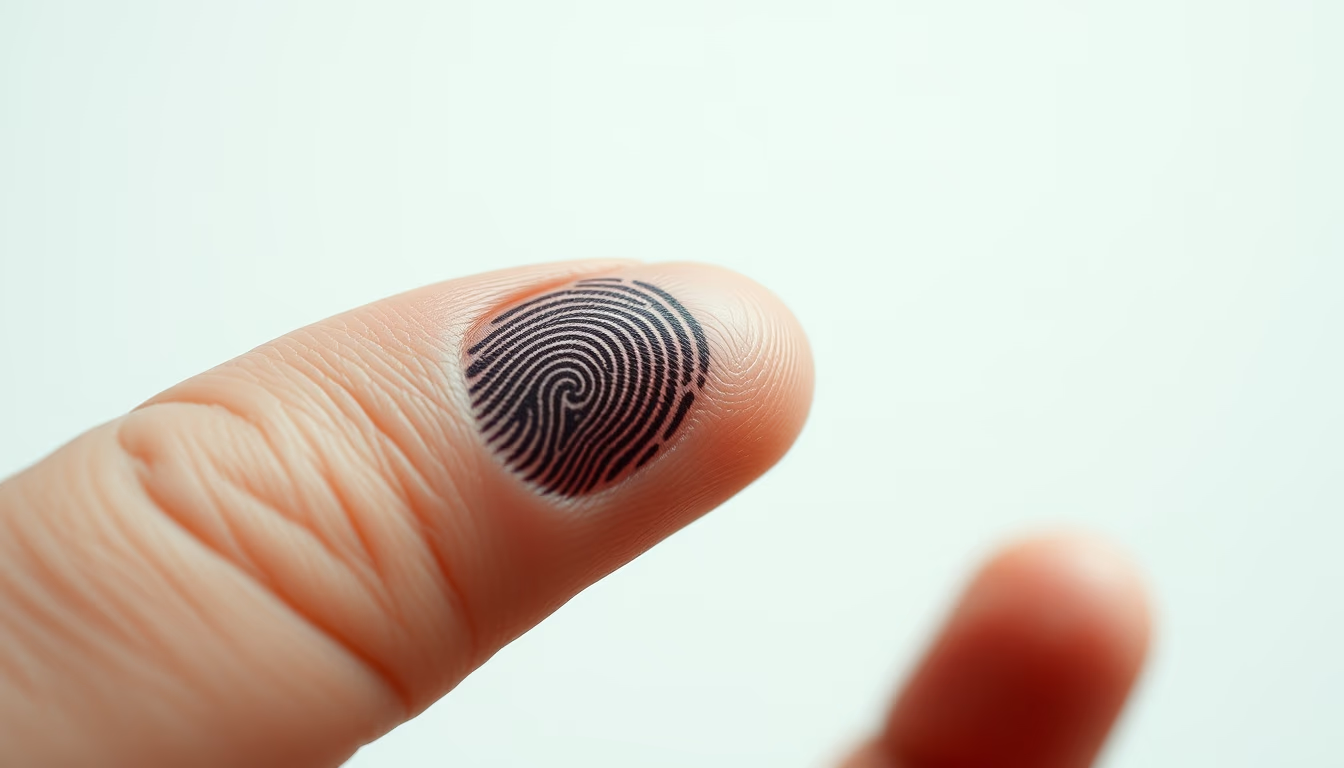
Fingerprint scanning is one of the most widely used biometric methods for secure authentication in devices and systems.
About this subject
Fingerprint biometrics captures the unique ridges and valleys of a fingertip to identify individuals. Optical, capacitive, or ultrasonic sensors convert the physical pattern into digital data, which is compared against stored templates. This technology is ubiquitous in smartphones, laptops, and access control systems, replacing traditional passwords with an extra security layer.
Globally, fingerprint scanning is used in devices like Apple's Touch ID and Windows Hello, as well as in government IDs and criminal databases. In Brazil, it appears in national ID cards (RG), electronic voting, and banking apps. The Brazilian General Data Protection Law (LGPD) imposes strict rules on storing such sensitive biometric data.
Despite convenience, fingerprint biometrics faces security challenges. Prints can be lifted from surfaces or recreated with silicone, requiring liveness detection algorithms to prevent spoofing. Recent trends include ultrasonic sensors that work even with dirty or wet fingers, and integration with artificial intelligence to improve accuracy and resist attacks.
By 2026, biometric authentication is expected to expand into contactless payments and healthcare systems, driven by demand for convenience without sacrificing privacy. The authentic film grain aesthetic is a visual style referencing analog images, but the focus here is on the scanner technology: an evolving field balancing usability and data protection.
Frequently Asked Questions
How does fingerprint biometric scanning work?
It captures the unique ridges and valleys of a finger using optical (light), capacitive (electricity), or ultrasonic (sound) sensors. The pattern is digitized and compared to a stored template for authentication.
What are the security risks of fingerprint scanning?
Prints can be lifted from surfaces or replicated with materials like silicone. Modern systems use liveness detection to verify traits such as blood flow or conductivity, reducing spoofing risks.
Is fingerprint biometrics regulated under data protection laws?
Yes, in many jurisdictions, including Brazil's LGPD and Europe's GDPR, biometric data is considered sensitive. It requires explicit consent and strict security measures for storage and processing.
Direct URL
https://pub-c7d6a6ea828543ac903a74a341ccb2e1.r2.dev/imagens/biometric-scan-finger-film-grain-authentic-p2.avifHow to credit
Include a visible link back to UtilizAí. Copy one of the snippets below:
<a href="https://xn--utiliza-eza.com/en/midia/imagens/biometric-scan-finger-film-grain-authentic-p2">Biometric scan finger</a> by <a href="https://xn--utiliza-eza.com">UtilizAí</a>, licensed under <a href="https://creativecommons.org/licenses/by/4.0/">CC BY 4.0</a>.
[Biometric scan finger](https://xn--utiliza-eza.com/en/midia/imagens/biometric-scan-finger-film-grain-authentic-p2) by [UtilizAí](https://xn--utiliza-eza.com), CC BY 4.0
License: CC-BY-4.0