Bike share station
1344×768 · AVIF · CC BY 4.0
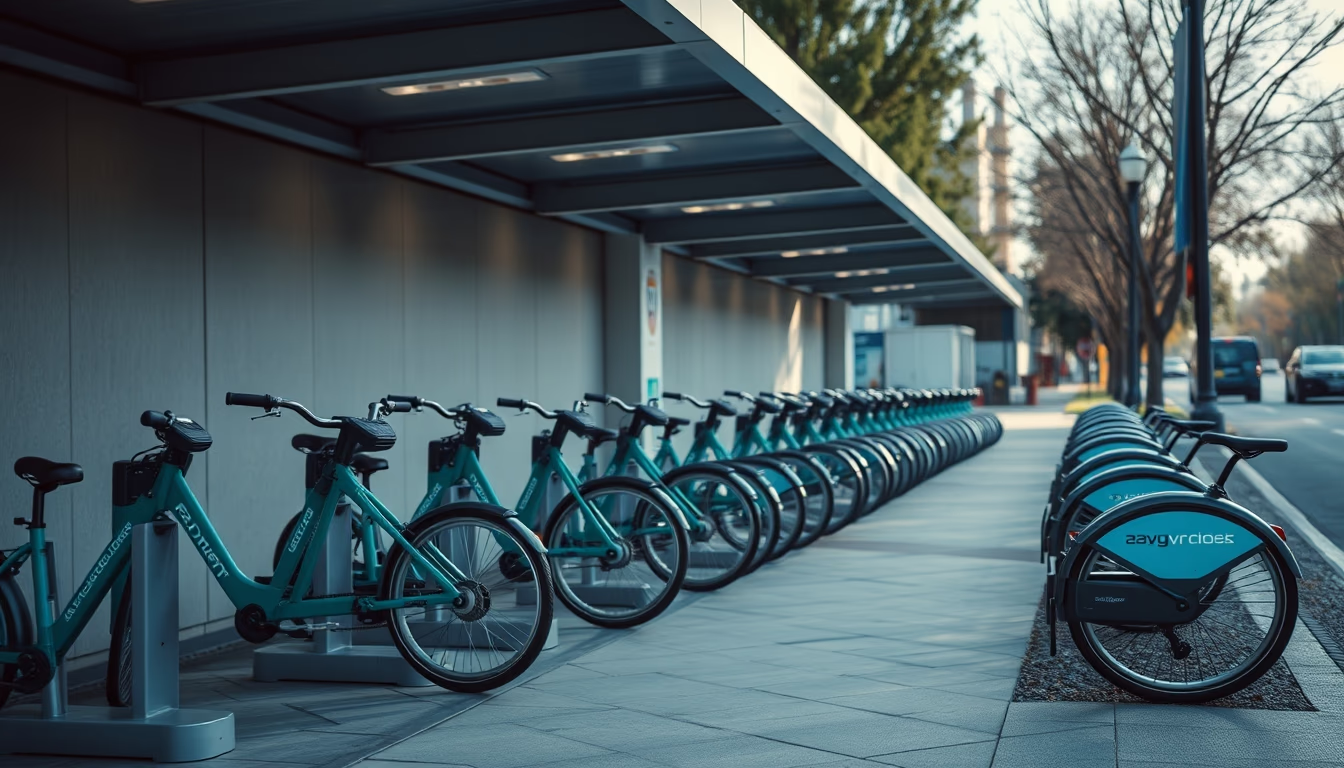
This editorial image features a bike share station, an urban mobility system that has expanded globally since the early 2000s.
About this subject
Bike share stations are part of shared bicycle systems, allowing users to rent bikes for short periods, usually via an app or card. The modern concept began in Copenhagen in 1995 with Bycyklen but gained global traction with Paris' Vélib in 2007, which inspired cities worldwide. Today, more than 2,000 systems operate in countries including China, the United States, Brazil, and Germany.
In Brazil, cities like Rio de Janeiro and São Paulo adopted the model with Bike Rio and Bike Sampa, respectively. These systems often integrate with public transit networks such as subways and buses, offering first and last mile solutions. Stations are strategically placed in high-density areas like train stations and commercial centers.
Benefits include reduced congestion, improved air quality, and promotion of healthy habits. In 2023, Paris' Vélib recorded over 1 million monthly trips. Data indicates each shared bike can replace up to 5 cars on the road, cutting CO2 emissions. Additionally, dockless systems, especially e-bikes, have expanded to suburban areas.
Station maintenance involves GPS tracking and battery recharging for electric models. Challenges include vandalism and bike redistribution to prevent clustering. Solutions such as incentives for returns in underserved zones and public-private partnerships are common. In hilly cities, e-bikes gain traction, as seen in Lisbon's system.
Frequently Asked Questions
How do bike share stations work?
Users locate a nearby station via app, unlock a bike with QR code or card, ride (usually up to 30 minutes included), and return it to any station. Dockless systems allow returns outside stations for a fee.
What are the largest bike share systems globally?
Top systems include Mobike (China), Vélib (France), and Citi Bike (New York). China's Hello Bike operates millions of bikes. In Brazil, Bike Rio and Bike Sampa have thousands of stations.
What are the environmental benefits of bike share stations?
They reduce CO2 emissions by replacing car trips, cut parking demand, and improve air quality. Studies show each bike share trip saves about 0.5 kg of CO2 compared to driving.
Direct URL
https://pub-c7d6a6ea828543ac903a74a341ccb2e1.r2.dev/imagens/bike-share-station-magazine-editorial-p1.avifHow to credit
Include a visible link back to UtilizAí. Copy one of the snippets below:
<a href="https://xn--utiliza-eza.com/en/midia/imagens/bike-share-station-magazine-editorial-p1">Bike share station</a> by <a href="https://xn--utiliza-eza.com">UtilizAí</a>, licensed under <a href="https://creativecommons.org/licenses/by/4.0/">CC BY 4.0</a>.
[Bike share station](https://xn--utiliza-eza.com/en/midia/imagens/bike-share-station-magazine-editorial-p1) by [UtilizAí](https://xn--utiliza-eza.com), CC BY 4.0
License: CC-BY-4.0