Bauhaus building exterior
1344×768 · AVIF · CC BY 4.0
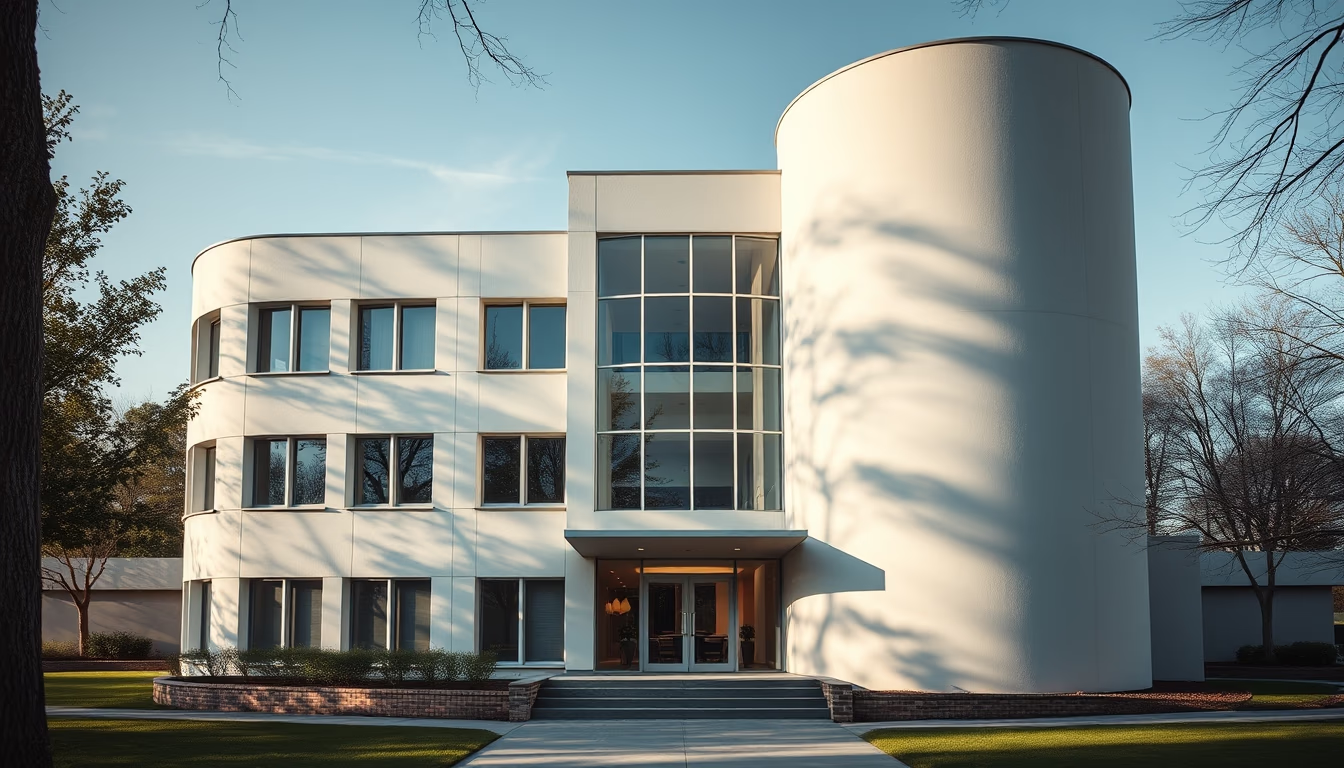
Exterior of the Bauhaus building in Dessau, a landmark of modernist architecture and symbol of the most influential design school of the 20th century.
About this subject
The Bauhaus, founded by Walter Gropius in 1919, revolutionized art, design, and architecture education by integrating form, function, and industrial production. The Bauhaus building in Dessau, built between 1925 and 1926, is considered the ultimate embodiment of these principles. Located in Dessau-Roßlau, Germany, the complex was designed by Gropius himself and houses classrooms, workshops, student dormitories, and the famous glazed bridge connecting the wings. Its exterior is marked by the absence of ornamentation, extensive use of glass and concrete, and a clear geometry that prioritizes transparency and functionality.
The structure uses an innovative combination of reinforced concrete and steel, with large windows reflecting the idea of structural honesty and integration with the surroundings. The building was inscribed as a UNESCO World Heritage site in 1996, along with other Bauhaus sites, for its importance to modern architecture. During the Nazi era, the school was closed in 1933, but the Bauhaus legacy spread worldwide through masters such as Kandinsky, Klee, Moholy-Nagy, and Mies van der Rohe.
Interestingly, the Bauhaus had three locations: Weimar (1919-1925), Dessau (1925-1932), and Berlin (1932-1933). The Dessau building is the most iconic, with its glass facade and the famous balcony rows of the dormitories. In 2026, the building remains a reference for architects and designers globally, reaffirming the timelessness of Bauhaus aesthetics. Recent restoration preserved its original features, allowing visitors to experience Gropius's vision: a space that inspires creativity and rationality.
Frequently Asked Questions
What makes the Bauhaus building in Dessau so important for modern architecture?
The building is a landmark for its functionalist approach, innovative use of materials like concrete and glass, and integration of teaching, production, and living spaces, reflecting the school's ideals of uniting art and industry.
What is the significance of the glass bridge in the Bauhaus building?
The glass bridge connects the workshop and administration wings, symbolizing transparency and interaction between different functions. It became an architectural icon of the modern era.
Is the Bauhaus building in Dessau still in use today?
Yes, it currently houses the Bauhaus Dessau Foundation, which operates a museum and offers educational programs, exhibitions, and guided tours, keeping the school's heritage alive.
Direct URL
https://pub-c7d6a6ea828543ac903a74a341ccb2e1.r2.dev/imagens/bauhaus-building-exterior-magazine-editorial-p3.avifHow to credit
Include a visible link back to UtilizAí. Copy one of the snippets below:
<a href="https://xn--utiliza-eza.com/en/midia/imagens/bauhaus-building-exterior-magazine-editorial-p3">Bauhaus building exterior</a> by <a href="https://xn--utiliza-eza.com">UtilizAí</a>, licensed under <a href="https://creativecommons.org/licenses/by/4.0/">CC BY 4.0</a>.
[Bauhaus building exterior](https://xn--utiliza-eza.com/en/midia/imagens/bauhaus-building-exterior-magazine-editorial-p3) by [UtilizAí](https://xn--utiliza-eza.com), CC BY 4.0
License: CC-BY-4.0