Baroque drama caravaggio
1344×768 · AVIF · CC BY 4.0
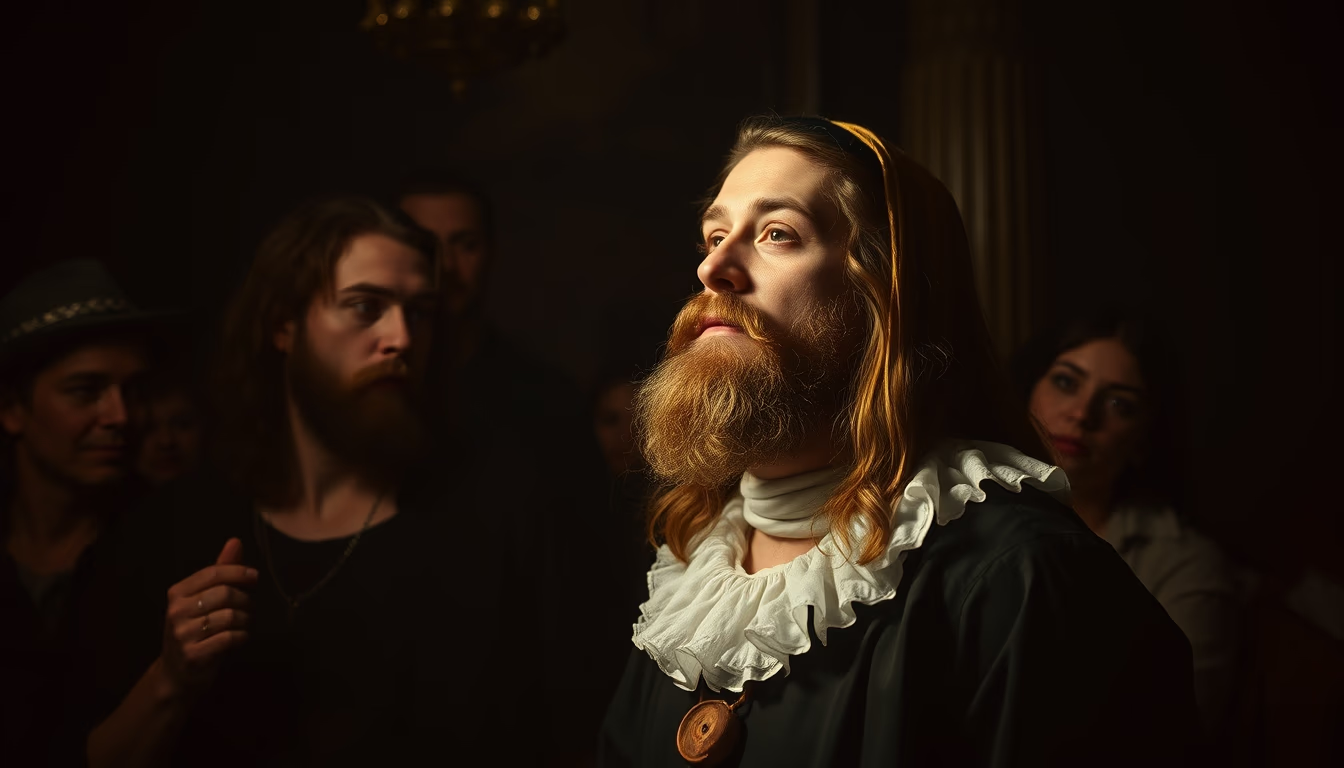
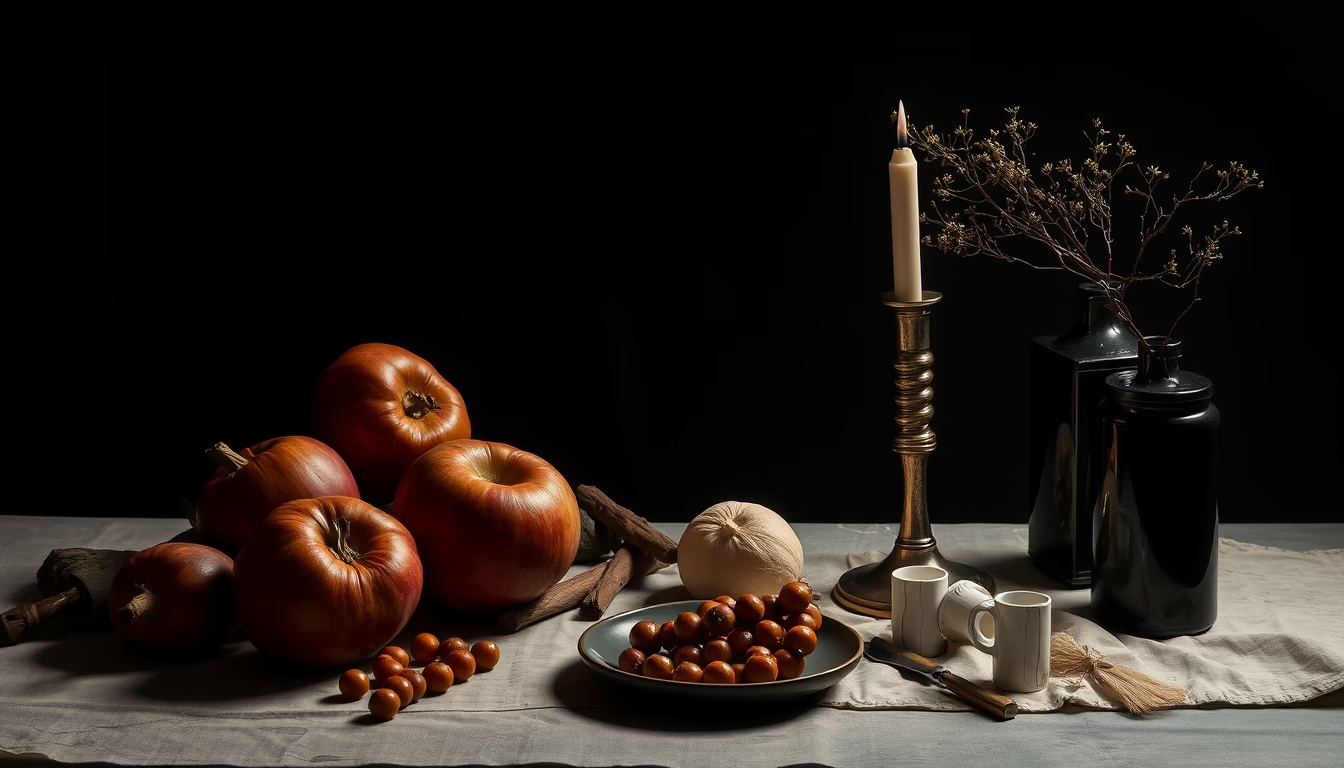
Caravaggio's Baroque drama revolutionized painting with dramatic light and intense realism, influencing generations of artists.
About this subject
Caravaggio, born Michelangelo Merisi in 1571, is one of the most influential figures of the Baroque period. His work is characterized by innovative use of chiaroscuro and tenebrism, a technique that strongly contrasts light and shadow to create a dramatic, theatrical effect. Unlike the Mannerists before him, Caravaggio depicted biblical and mythological scenes with raw realism, using ordinary models and faces charged with emotion. Paintings such as "The Calling of Saint Matthew" and "Judith Beheading Holofernes" exemplify this approach, where light seems to emanate from within the scene, highlighting moments of intense pathos.
The artist lived a turbulent life, marked by brawls and flights, which is reflected in the visceral energy of his canvases. His ability to capture the decisive moment, freezing action at an emotional peak, influenced not only Baroque painters like Rembrandt and Velázquez but also modern filmmakers and photographers. Caravaggio rejected Renaissance idealism in favor of stark truth, bringing the divine closer to the human.
Caravaggio's technique involved careful studies of natural light, often painting directly from life without preliminary sketches. He used single light sources, such as candles or windows, to create deep shadows that modeled figures in three dimensions. This psychological realism, combined with dramatic use of light, made his works powerful and instantly recognizable. His legacy endures as synonymous with Baroque drama, inspiring everything from German Expressionist cinema to contemporary photography.
Frequently Asked Questions
What characterizes Baroque drama in Caravaggio's painting?
Caravaggio's Baroque drama is marked by intense use of chiaroscuro (tenebrism), realism in figures and emotions, and a focus on moments of tension or decisive action, creating a theatrical atmosphere.
How did Caravaggio influence other artists?
Caravaggio deeply influenced the Baroque period, with followers called 'Caravaggisti' in Italy, Spain, France, and the Netherlands. Artists like Rembrandt, Velázquez, and Georges de La Tour adopted his lighting style and realism.
Why is Caravaggio considered a master of chiaroscuro?
Caravaggio mastered chiaroscuro by using extreme contrasts between light and shadow to give volume and drama to figures, often illuminating only parts of the scene with a directional light source.
Direct URL
https://pub-c7d6a6ea828543ac903a74a341ccb2e1.r2.dev/imagens/baroque-drama-caravaggio-lo-fi-disposable-camera-fresh16.avifHow to credit
Include a visible link back to UtilizAí. Copy one of the snippets below:
<a href="https://xn--utiliza-eza.com/en/midia/imagens/baroque-drama-caravaggio-lo-fi-disposable-camera-fresh16">Baroque drama caravaggio</a> by <a href="https://xn--utiliza-eza.com">UtilizAí</a>, licensed under <a href="https://creativecommons.org/licenses/by/4.0/">CC BY 4.0</a>.
[Baroque drama caravaggio](https://xn--utiliza-eza.com/en/midia/imagens/baroque-drama-caravaggio-lo-fi-disposable-camera-fresh16) by [UtilizAí](https://xn--utiliza-eza.com), CC BY 4.0
License: CC-BY-4.0