Banker explaining interest rate to a client
1344×768 · AVIF · CC BY 4.0

A banker explains the Selic rate to a client during a morning financial advisory meeting, highlighting the importance of Brazil's monetary policy.
About this subject
The Selic rate is Brazil's benchmark interest rate, set by the Monetary Policy Committee (Copom) of the Central Bank. It influences all other interest rates in the country, from bank loans to fixed-income investments such as CDBs and government bonds. The Selic is a key tool for controlling inflation and stimulating economic growth. When Copom raises the Selic, credit becomes more expensive, curbing consumption and inflation. Conversely, reductions make credit cheaper and boost economic activity.
During a morning financial advisory meeting, the banker explains to the client how the Selic directly impacts their investments. For instance, if the Selic is high, fixed-income yields tend to increase, but the cost of financing also rises. The professional may suggest strategies like portfolio diversification, allocation to multimarket funds, or inflation-linked bonds, depending on the economic outlook. Morning meetings are a common time to review financial goals and adjust asset allocation based on the latest Copom decisions.
Brazil historically has one of the highest real interest rates globally, but the Selic has gradually declined in recent years, reflecting a more controlled inflation environment. In 2024, the Selic was around 10.5% per year, following a cutting cycle that started in 2023. For the average investor, understanding the Selic is essential for making informed decisions about savings, investments, and retirement planning. The banker, as a certified professional (CFP or ANCORD), guides the client in interpreting Copom statements and preparing for rate changes.
Frequently Asked Questions
What is the Selic rate and how is it set?
The Selic rate is Brazil's benchmark interest rate, set by the Monetary Policy Committee (Copom) of the Central Bank every 45 days. It serves as a reference for all other interest rates in the country.
How does the Selic affect my investments?
The Selic directly impacts the returns of fixed-income investments such as CDBs, Tesouro Direto, and DI funds. When the Selic rises, these investments tend to yield more; when it falls, returns decrease.
Why does Brazil have such high interest rates?
Historically, Brazil uses high interest rates to control inflation, which is influenced by factors like strong demand, exchange rates, and market expectations. The real rate (adjusted for inflation) is still high compared to other countries but has been declining in recent years.
Direct URL
https://pub-c7d6a6ea828543ac903a74a341ccb2e1.r2.dev/imagens/banker-explaining-selic-rate-to-a-client-documentary-morning.avifHow to credit
Include a visible link back to UtilizAí. Copy one of the snippets below:
<a href="https://xn--utiliza-eza.com/en/midia/imagens/banker-explaining-selic-rate-to-a-client-documentary-morning">Banker explaining interest rate to a client</a> by <a href="https://xn--utiliza-eza.com">UtilizAí</a>, licensed under <a href="https://creativecommons.org/licenses/by/4.0/">CC BY 4.0</a>.
[Banker explaining interest rate to a client](https://xn--utiliza-eza.com/en/midia/imagens/banker-explaining-selic-rate-to-a-client-documentary-morning) by [UtilizAí](https://xn--utiliza-eza.com), CC BY 4.0
License: CC-BY-4.0
Tags
Related images
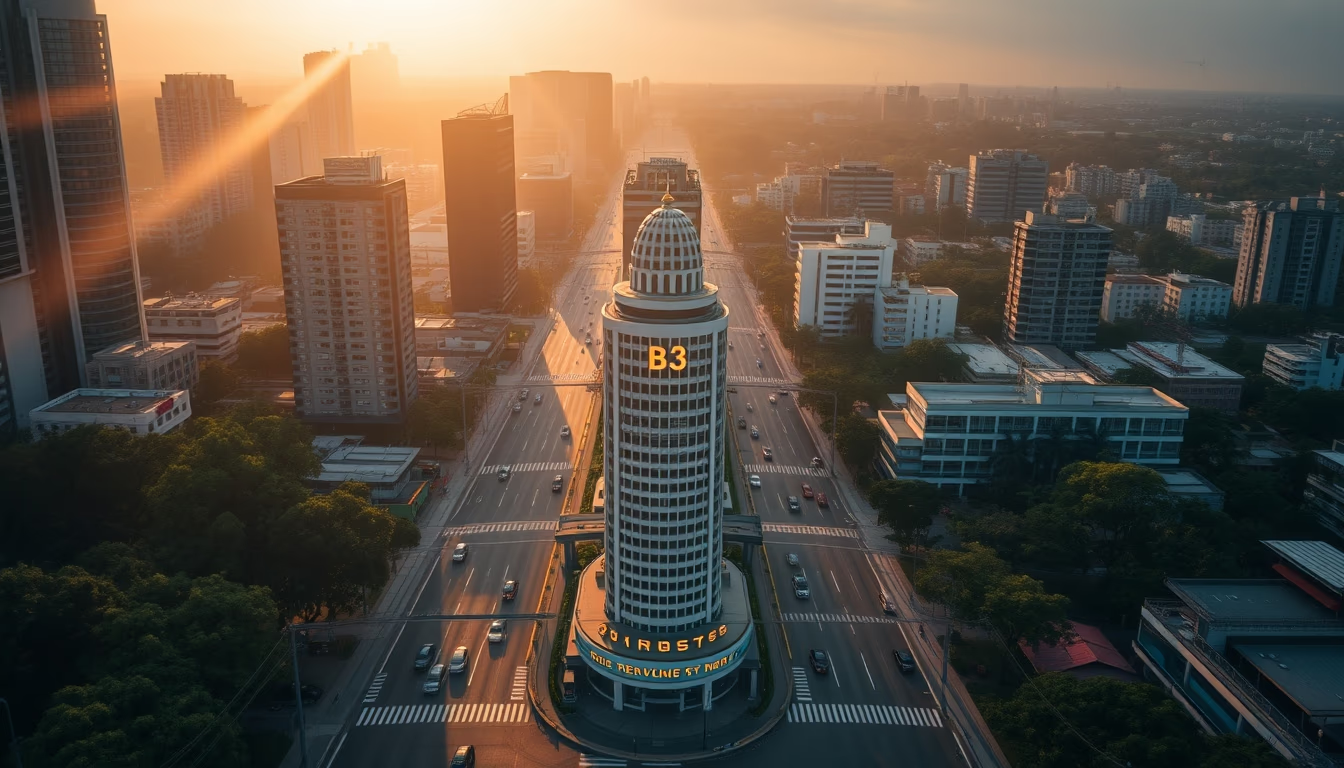 Aerial view of São Paulo financial district at golden hour with B3 building
 Aerial view of São Paulo financial district at golden hour with B3 building
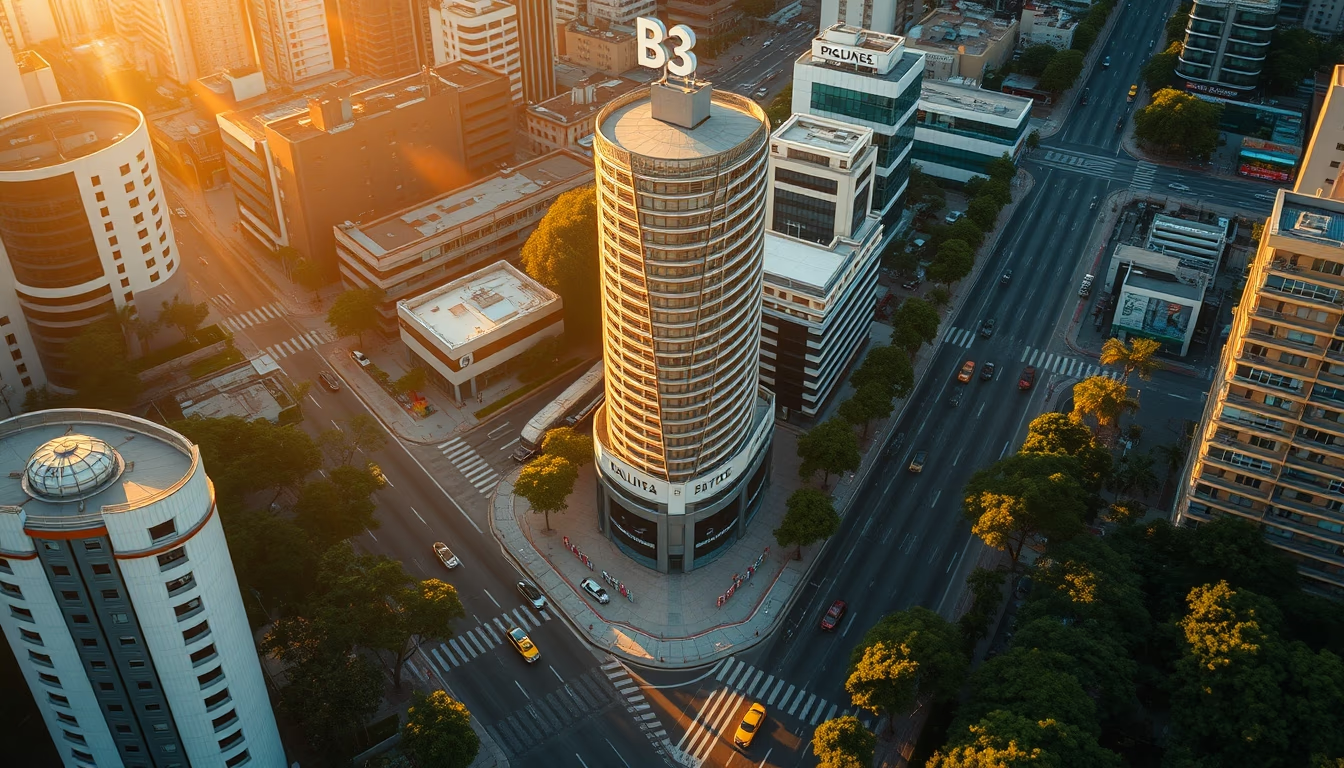 Aerial view of São Paulo financial district at golden hour with B3 building
 Aerial view of São Paulo financial district at golden hour with B3 building
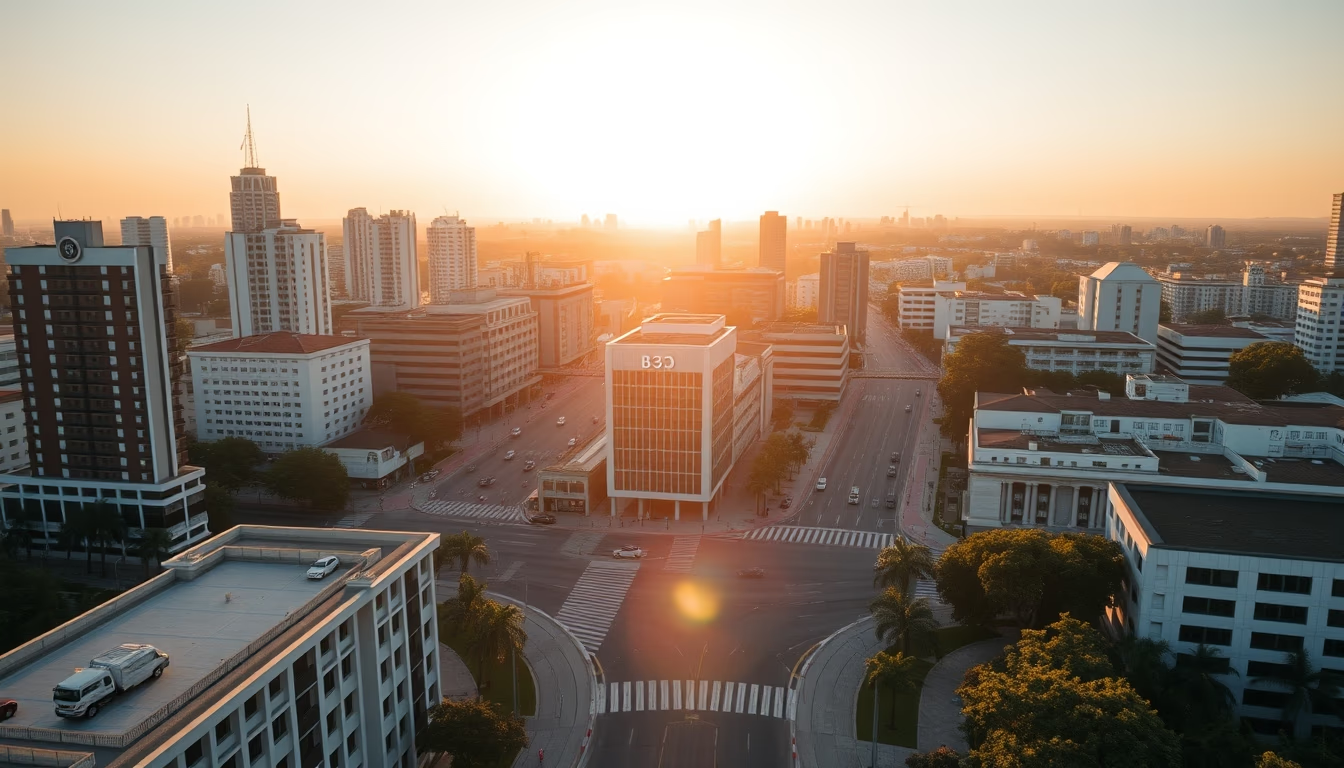 Aerial view of São Paulo financial district at golden hour with B3 building
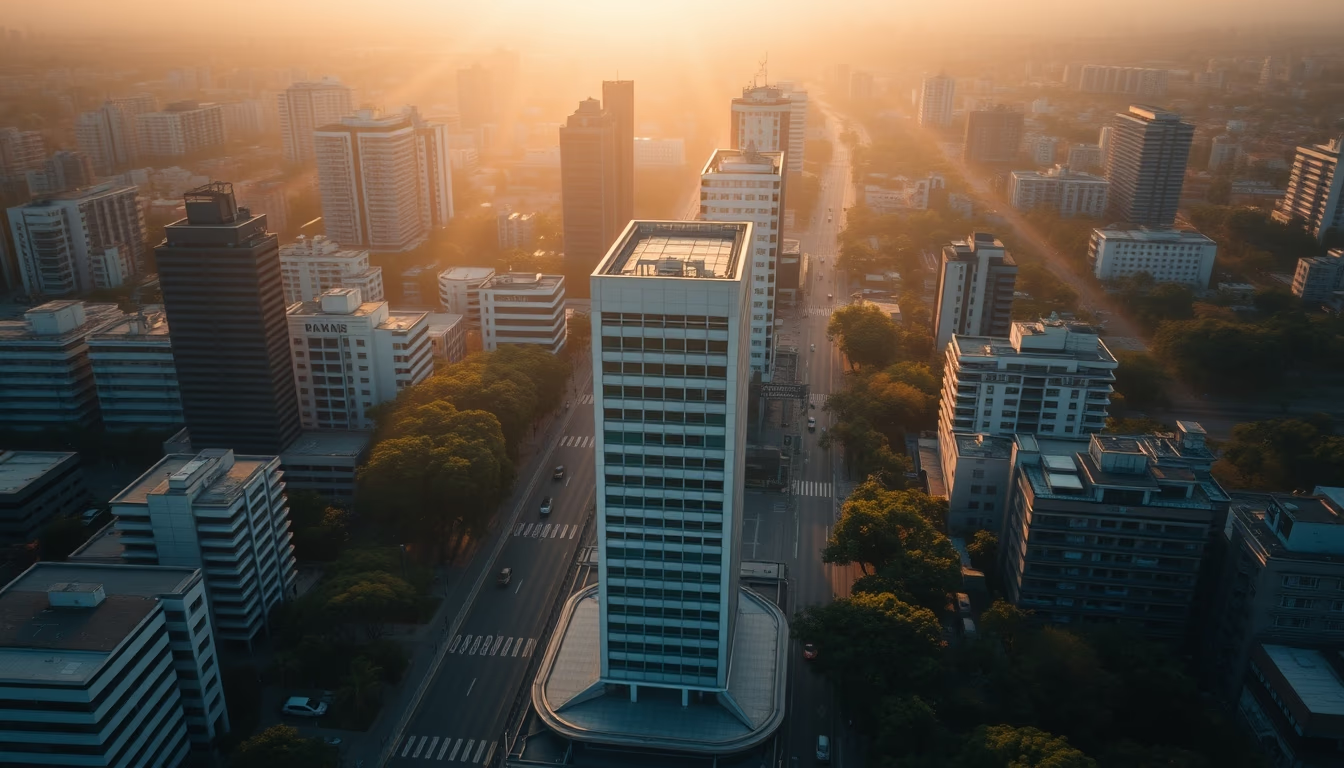 Aerial view of São Paulo financial district at golden hour with B3 building