Ballet shoes pointe pink
1344×768 · AVIF · CC BY 4.0
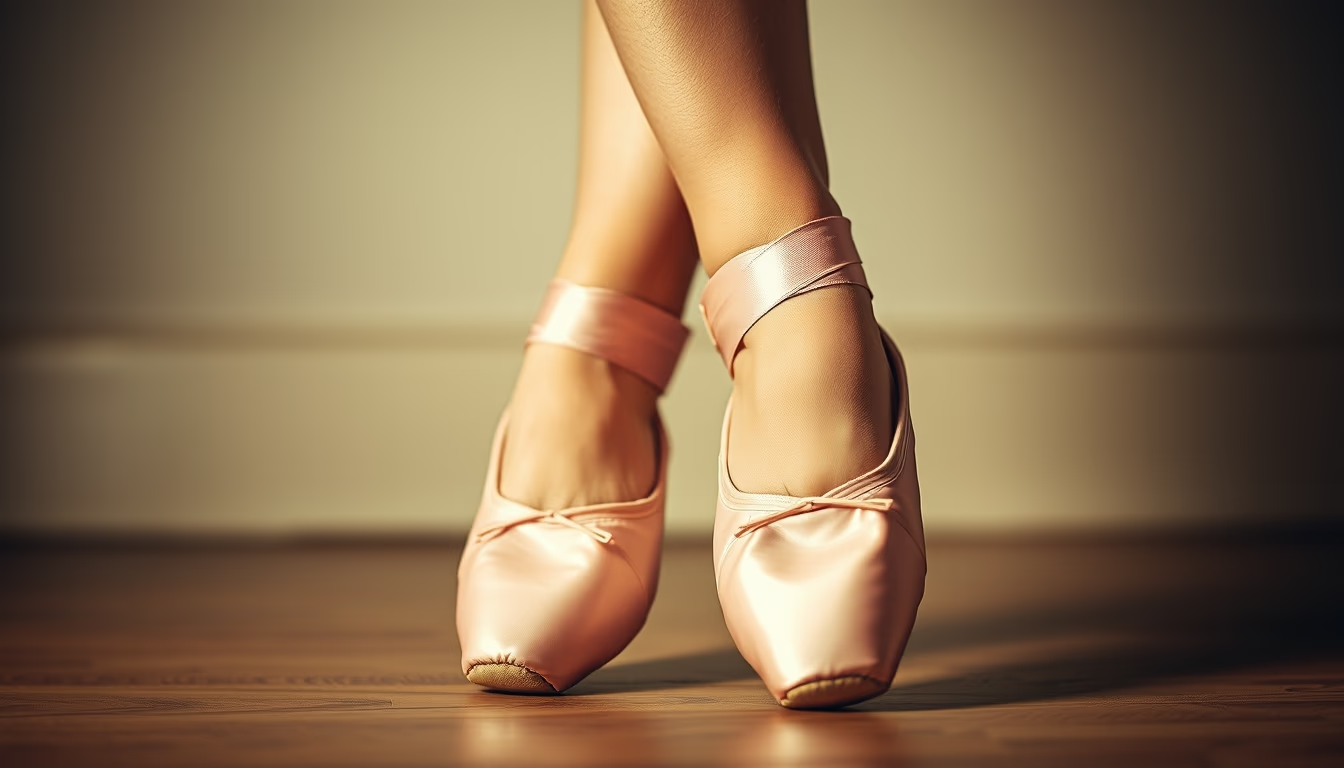
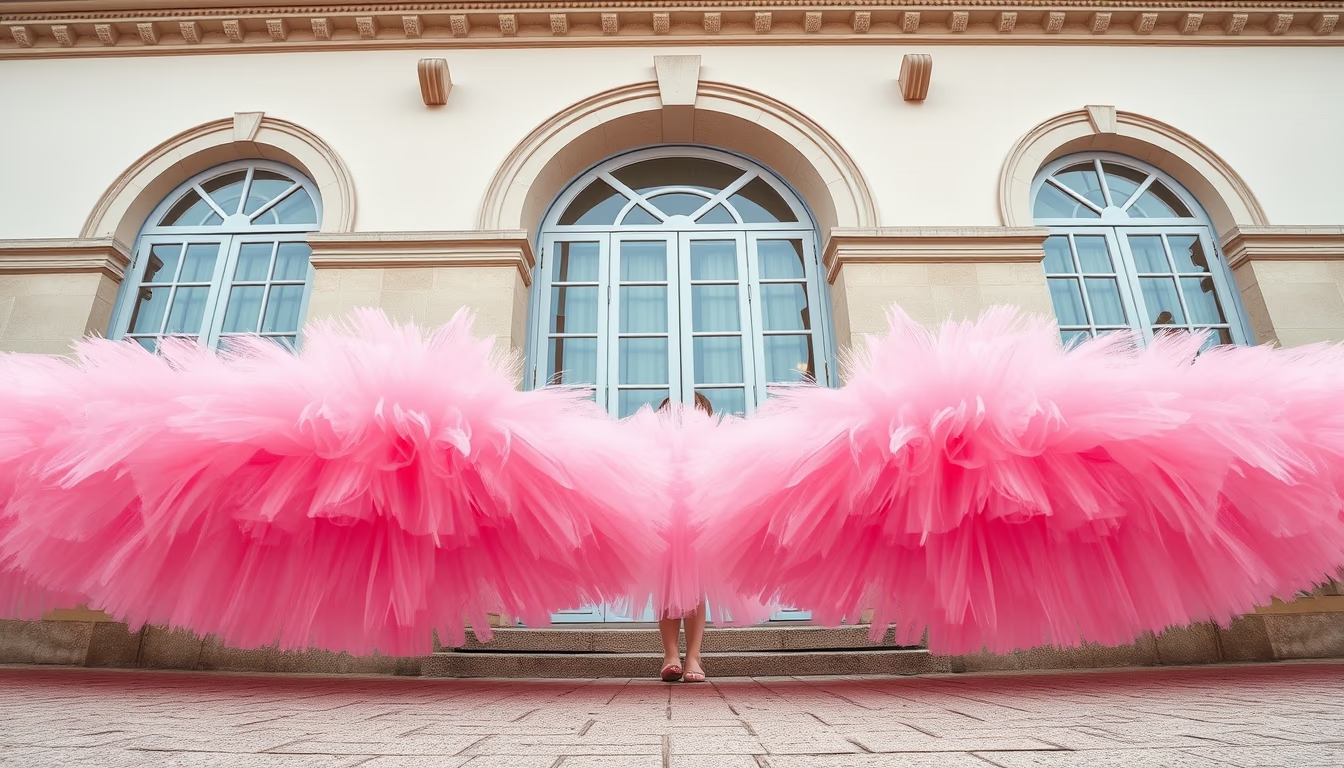
Pink pointe shoes, essential equipment in classical ballet, combine handcrafted tradition and technical innovation to support dancers.
About this subject
Pointe shoes are one of the most iconic symbols of classical ballet. Developed in the early 19th century, they gained prominence with ballerina Marie Taglioni in 1832 during the premiere of La Sylphide. Initially, they were heeled shoes reinforced with stiffened soles; over time they evolved into the modern design that allows the dancer to stand en pointe with stability. Each pair is handcrafted, combining layers of satin, glue, and compressed cardboard in the box (which encases the toes), along with a leather or plastic insole called the shank that supports the arch. The traditional pink color mimics the natural skin tone of dancers, creating the illusion of an uninterrupted foot line. However, today there are variations like darker skin tones for greater racial inclusion.
Production of a pointe shoe can take hours and involves up to 25 manual steps. Brands like Freed of London, Bloch, and Gaynor Minden dominate the market, each with distinct specifications of hardness, shape, and shock absorption. Choosing the right model depends on foot type, technical level, and personal preference. Professional dancers often use a pair per week or even per performance due to intense wear. Breaking in the shoes is done manually: the dancer bends the box and shank to fit the foot, and sews on satin ribbons and elastics for security. Despite advancements like more flexible plastic shanks, the handcrafted essence remains, making each pointe shoe unique.
Culturally, the pointe shoe represents discipline, dedication, and perseverance. Training to use them requires years of preparation: generally, dancers begin en pointe between ages 11 and 13, after complete strengthening of feet and ankles. Injuries such as plantar fasciitis, tendinitis, and stress fractures are common, leading to innovations like lighter materials and pre-molded insoles. Despite the challenges, the pink pointe shoe continues to be a universal symbol of classical dance, present from beginner classes to stages at the Bolshoi Theatre and the Royal Ballet.
Frequently Asked Questions
Why are pointe shoes traditionally pink?
The pink color was historically chosen to match the dancers' skin tone, creating the illusion of an uninterrupted foot line. Today, darker shades are available for better representation.
How long does a pair of pointe shoes last?
Durability varies greatly: amateur dancers may use the same pair for months, while professionals change them every week or even every performance due to wear and loss of support.
How can I tell if a pointe shoe fits correctly?
The box should encase the toes without squeezing, and the heel should be snug without slipping. The shank must support the arch without being too stiff. It is best to try them with a professional's help and test in demi-pointe and full pointe positions.
Direct URL
https://pub-c7d6a6ea828543ac903a74a341ccb2e1.r2.dev/imagens/ballet-shoes-pointe-pink-fine-art-photography-fresh18.avifHow to credit
Include a visible link back to UtilizAí. Copy one of the snippets below:
<a href="https://xn--utiliza-eza.com/en/midia/imagens/ballet-shoes-pointe-pink-fine-art-photography-fresh18">Ballet shoes pointe pink</a> by <a href="https://xn--utiliza-eza.com">UtilizAí</a>, licensed under <a href="https://creativecommons.org/licenses/by/4.0/">CC BY 4.0</a>.
[Ballet shoes pointe pink](https://xn--utiliza-eza.com/en/midia/imagens/ballet-shoes-pointe-pink-fine-art-photography-fresh18) by [UtilizAí](https://xn--utiliza-eza.com), CC BY 4.0
License: CC-BY-4.0