Ballet shoes pointe pink
1344×768 · AVIF · CC BY 4.0
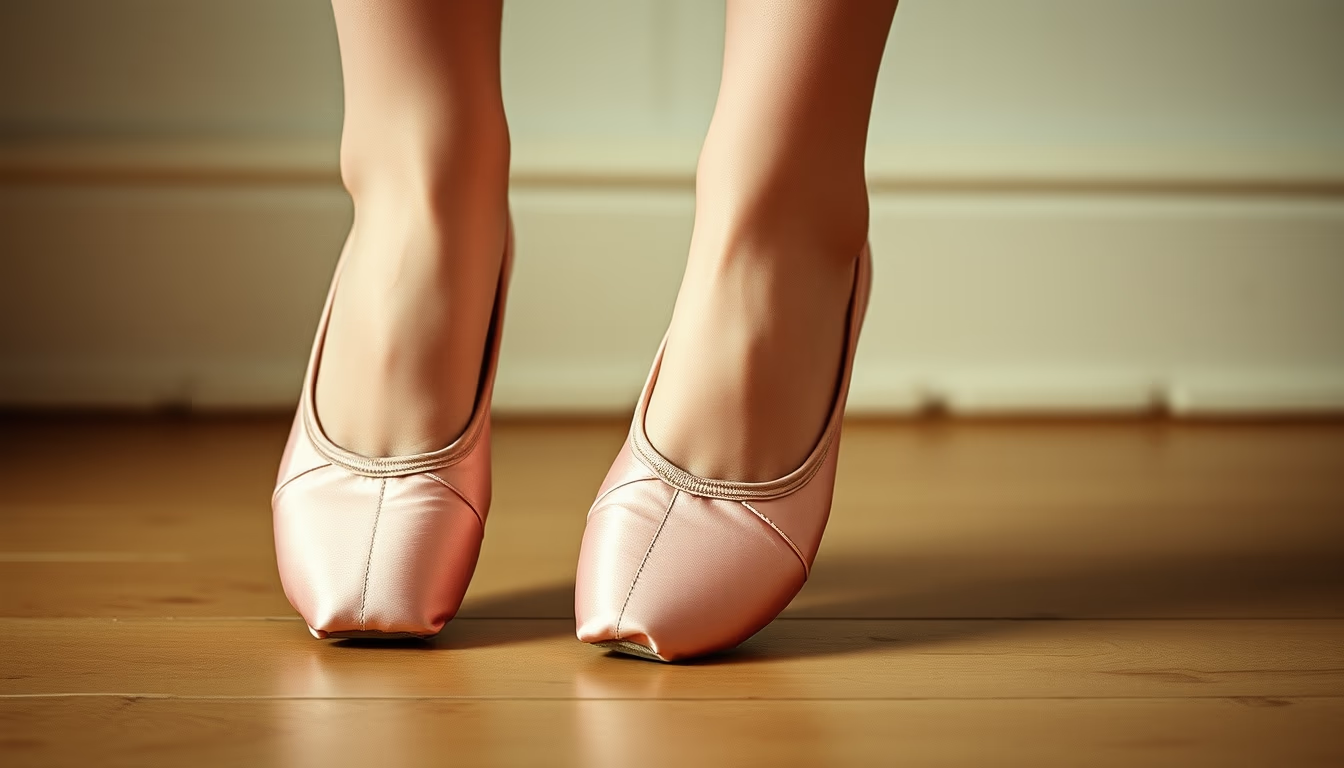
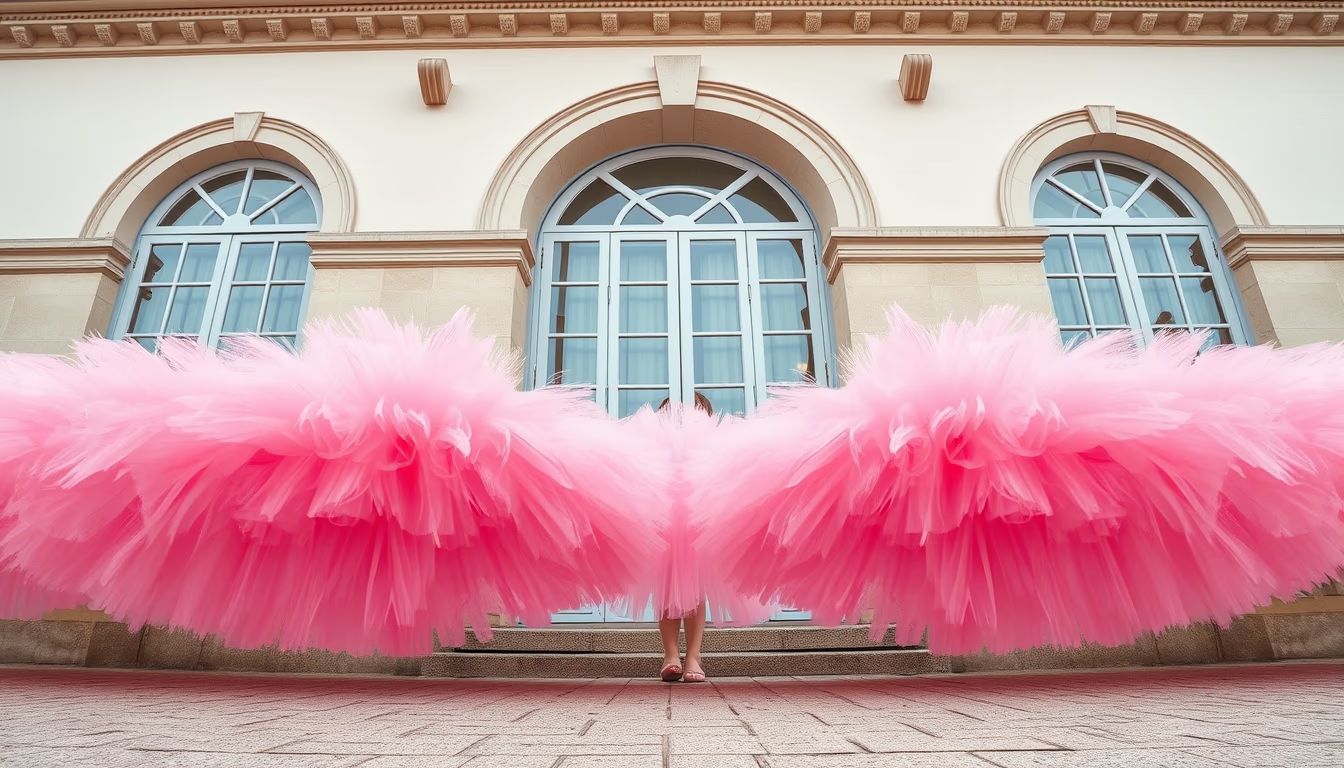
Pink pointe shoes, essential in classical ballet, blend tradition, technique, and meticulous craftsmanship.
About this subject
Pointe shoes are one of the most recognizable icons of classical ballet. Specifically designed to enable dancers to stand on the tips of their toes, they are constructed from layers of fabric, glue, and compressed paperboard, forming a rigid box that supports the body's weight. The traditional pink color is favored by companies such as the Royal Ballet and the Bolshoi because it blends with most skin tones and tights, creating a continuous line from leg to foot. Each pair is handcrafted, often made by manufacturers like Freed of London, Capezio, and Bloch, and requires careful breaking in to fit the dancer's foot.
The history of pointe shoes dates back to the early 19th century. Italian ballerina Marie Taglioni is credited as the first to dance on pointe in 1832, in the ballet "La Sylphide." At that time, shoes were simple satin slippers with reinforced soles. Over time, technique evolved and shoes became more structured. Today's modern pointe shoe features a flat toe box (platform) and a curved insole (shank) that supports the arch of the foot. The manufacturing process involves about 20 manual steps, including gluing, stitching, and steam shaping.
Preparing pointe shoes is an art in itself. Dancers often soften them by hand, using hammers, doors, or even steam to mold the box to the shape of their toes. The shank may be cut or softened to allow more flexibility. Each dancer has unique preferences: some use satin ribbons tied around the ankle, others prefer elastic bands. The lifespan of a pair is short, ranging from 10 to 20 hours of rehearsal, depending on the intensity of use and the dancer's weight. Consequently, many ballerinas go through dozens of pairs per year.
Beyond their technical function, pointe shoes carry strong cultural symbolism. They represent discipline, dedication, and the pursuit of ethereal lightness on stage. The pink color, though dominant, is not universal: some companies use darker shades to match different skin tones, a trend exemplified by the brand Dansez Vous. The film "Black Swan" (2010) further popularized the image of pink pointe shoes, associating them with perfection and artistic sacrifice. In short, these objects transcend dance accessories and become symbols of classical ballet worldwide.
Frequently Asked Questions
How long does a pair of pointe shoes last?
Durability ranges from 10 to 20 hours of intense use, depending on the dancer's weight, floor type, and rehearsal frequency. Professional ballerinas may go through dozens of pairs per year.
Why are pointe shoes pink?
The traditional pink color was adopted to match the shade of tights and skin, creating a continuous visual line from leg to foot. Today, some brands offer varied shades for different skin tones.
How to break in new pointe shoes?
Dancers often use manual techniques such as hammering the box, bending the shank, or applying steam to mold the shoe to the foot. Some also use doors to press the platform.
Direct URL
https://pub-c7d6a6ea828543ac903a74a341ccb2e1.r2.dev/imagens/ballet-shoes-pointe-pink-film-grain-authentic-fresh4.avifHow to credit
Include a visible link back to UtilizAí. Copy one of the snippets below:
<a href="https://xn--utiliza-eza.com/en/midia/imagens/ballet-shoes-pointe-pink-film-grain-authentic-fresh4">Ballet shoes pointe pink</a> by <a href="https://xn--utiliza-eza.com">UtilizAí</a>, licensed under <a href="https://creativecommons.org/licenses/by/4.0/">CC BY 4.0</a>.
[Ballet shoes pointe pink](https://xn--utiliza-eza.com/en/midia/imagens/ballet-shoes-pointe-pink-film-grain-authentic-fresh4) by [UtilizAí](https://xn--utiliza-eza.com), CC BY 4.0
License: CC-BY-4.0