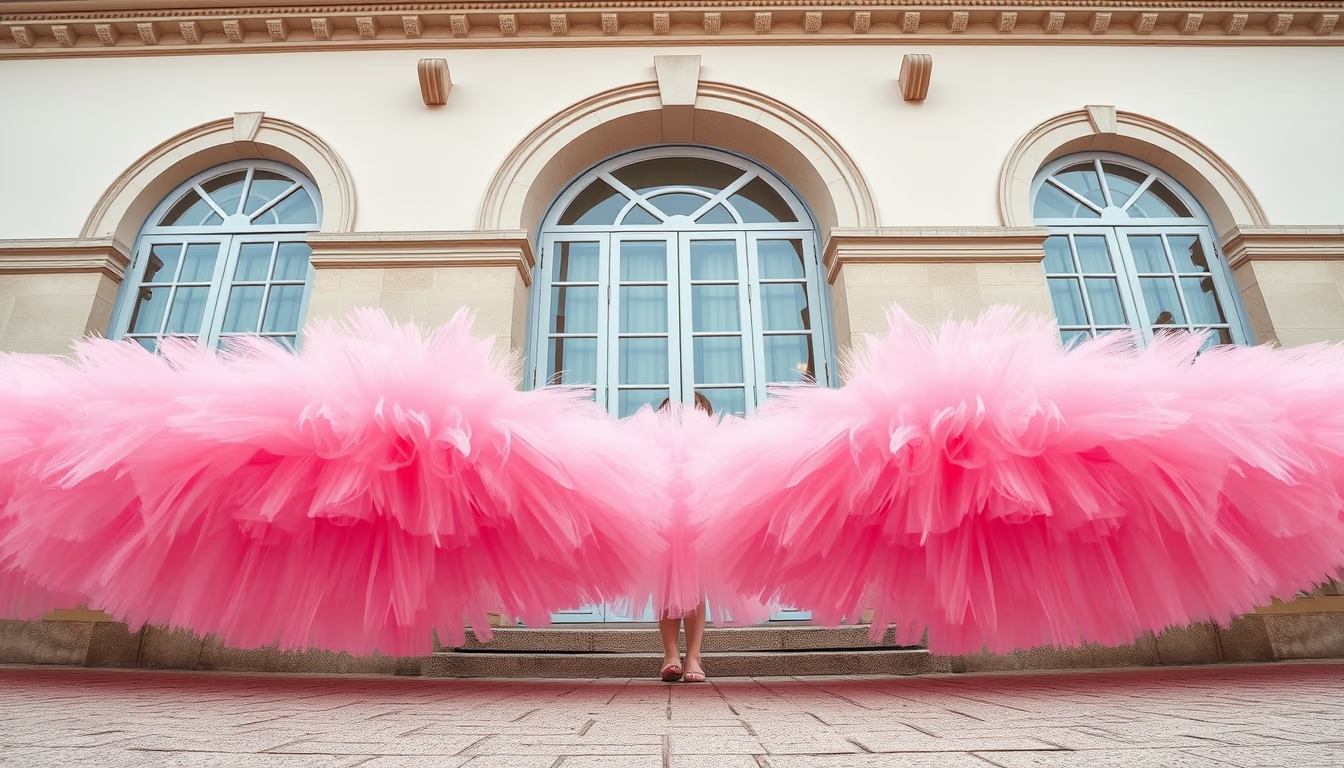
Ballet shoes pointe pink
1344×768 · AVIF · CC BY 4.0
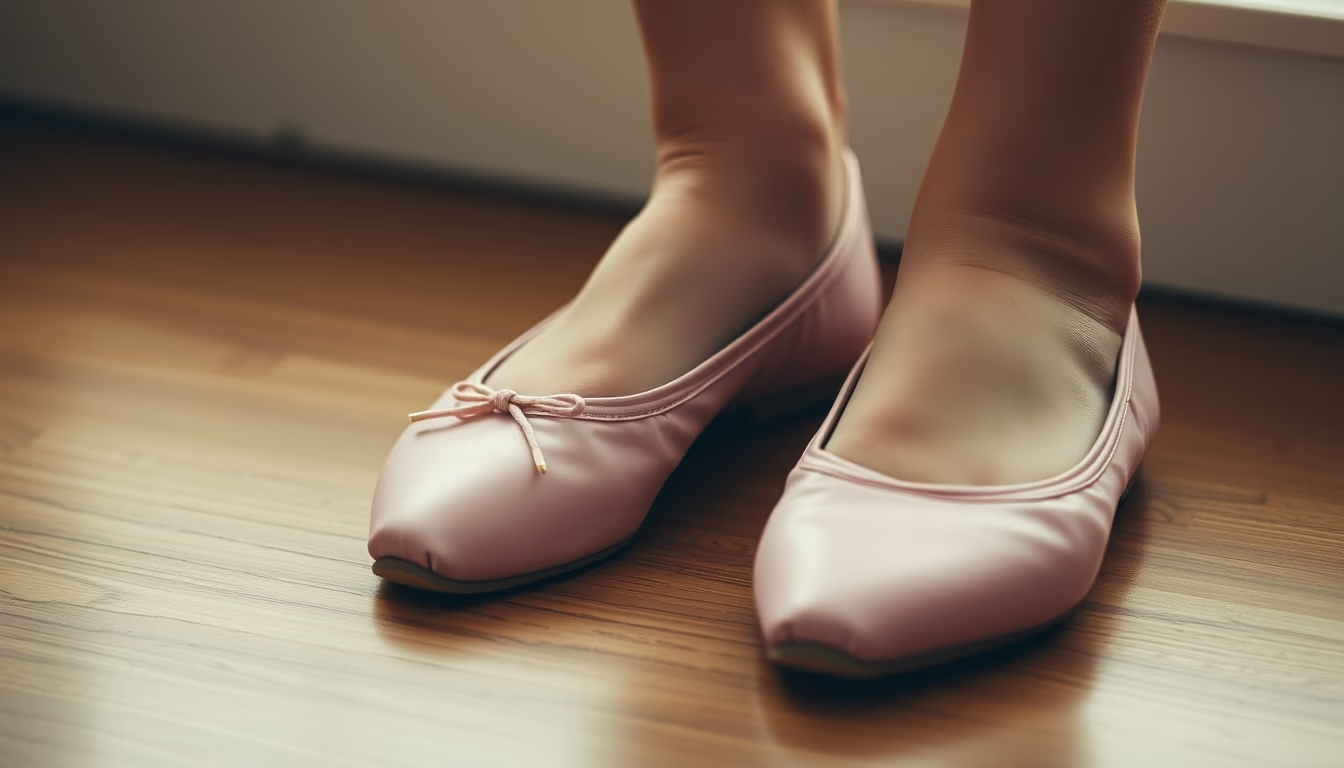
Pink pointe shoes: structure, history, and importance in classical ballet.
About this subject
Pointe shoes are essential footwear in classical ballet, enabling dancers to perform on the tips of their toes. Made of satin, leather, and a hardened box composed of layers of cardboard, glue, and fabric, each pair is handcrafted to support body weight. Pink is the most traditional color because it blends with makeup and tights, visually elongating the leg line. Models from Capezio, Bloch, and Gaynor Minden are among the most used worldwide, and each dancer customizes the fit with satin ribbons and elastic.
The pointe technique emerged in the 19th century, popularized by Marie Taglioni in 1832 in the ballet "La Sylphide." Early pointe shoes were merely soft-heeled shoes with reinforced toes; it was only in the early 20th century that the box became rigid enough to support positions like arabesque and fouetté. Today, each pair requires a "breaking-in" period (manual softening) to mold to the dancer's foot, a process that can take hours and includes crushing the box, sewing ribbons, and sometimes cutting parts of the sole.
A professional dancer can go through 3 to 6 pairs per week, depending on rehearsal and performance intensity. Companies like Freed of London produce custom shoes, assessing arch height and foot strength. The market offers variations for different foot types: width, instep height, and box shape. Materials evolution, such as thermomoldable plastic, has brought greater durability and comfort, although many purists prefer traditional glue-based models.
In Brazil, institutions like Theatro Municipal do Rio de Janeiro and Balé da Cidade de São Paulo uphold the tradition, training dancers who wear pink pointe shoes in performances of "The Nutcracker" and "Swan Lake." The choice of pink is not merely aesthetic: it reflects a standardization that began in the Romantic ballet era and persists as a symbol of lightness and grace, despite recent controversies over the lack of skin-tone diversity in the industry.
Frequently Asked Questions
How many pairs of pointe shoes does a professional ballerina use per month?
A professional ballerina may use 12 to 24 pairs per month, depending on rehearsal and performance schedules. The shoes wear out quickly due to constant impact and loss of box stiffness.
What is the difference between pointe shoes and demi-pointe shoes?
Pointe shoes have a rigid box at the front allowing balance on tiptoes, while demi-pointe shoes are soft with a full sole, used for warm-up and floor exercises.
Why are pointe shoes traditionally pink?
The pink color visually blends with tights and skin tone, creating a continuous line that elongates the legs. This tradition dates back to the Romantic ballet era of the 19th century.
Direct URL
https://pub-c7d6a6ea828543ac903a74a341ccb2e1.r2.dev/imagens/ballet-shoes-pointe-pink-documentary-nature-style-fresh1.avifHow to credit
Include a visible link back to UtilizAí. Copy one of the snippets below:
<a href="https://xn--utiliza-eza.com/en/midia/imagens/ballet-shoes-pointe-pink-documentary-nature-style-fresh1">Ballet shoes pointe pink</a> by <a href="https://xn--utiliza-eza.com">UtilizAí</a>, licensed under <a href="https://creativecommons.org/licenses/by/4.0/">CC BY 4.0</a>.
[Ballet shoes pointe pink](https://xn--utiliza-eza.com/en/midia/imagens/ballet-shoes-pointe-pink-documentary-nature-style-fresh1) by [UtilizAí](https://xn--utiliza-eza.com), CC BY 4.0
License: CC-BY-4.0