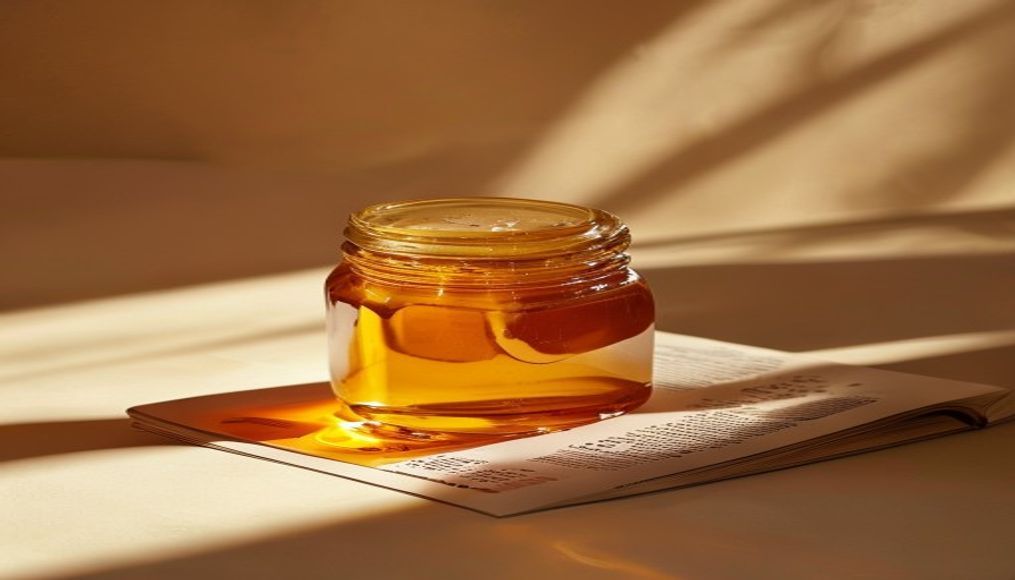
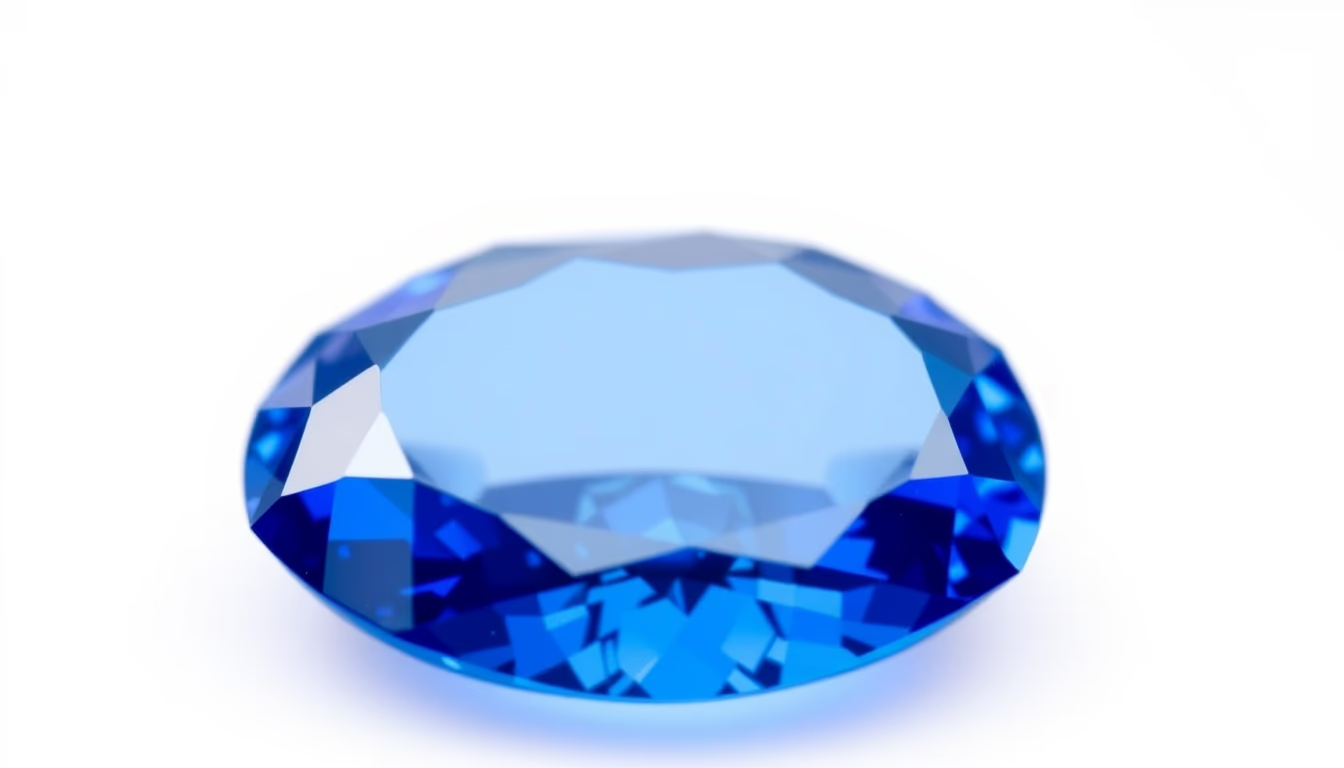
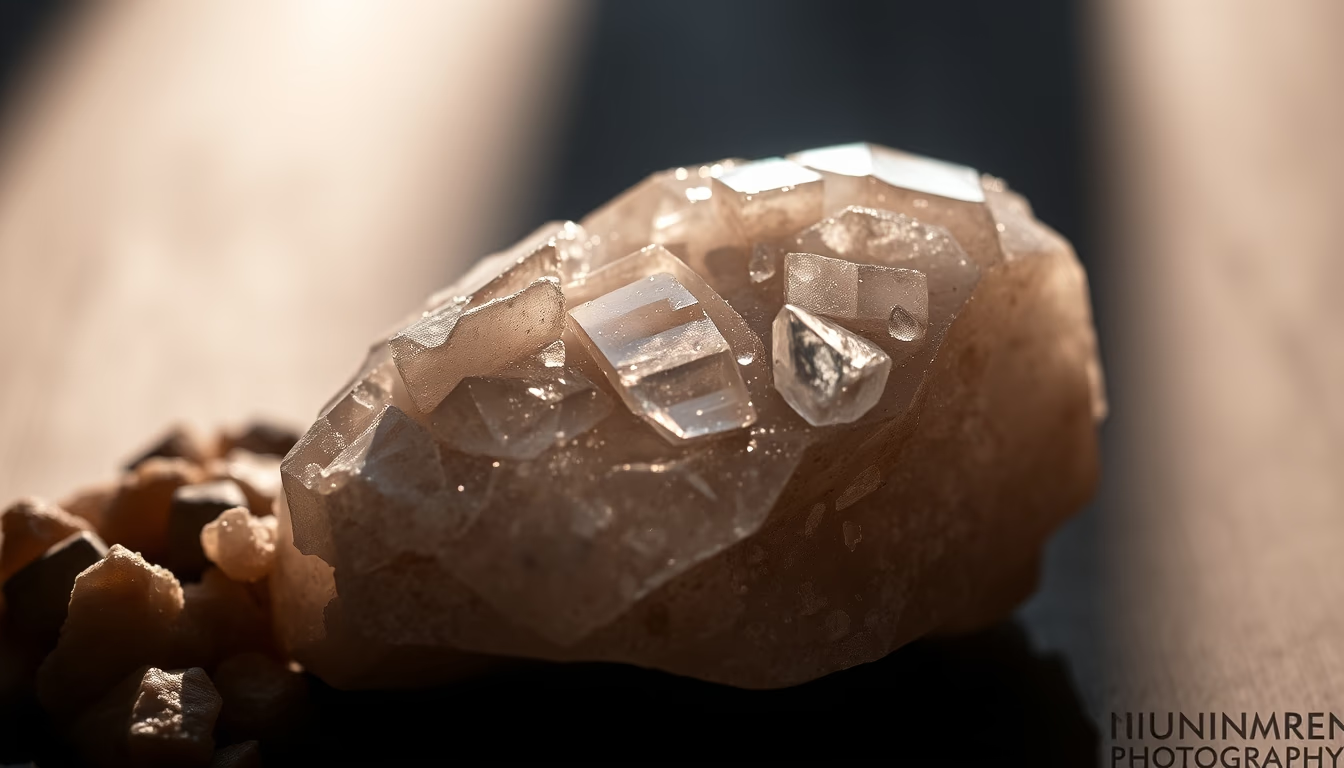
Azurite blue mineral
1344×768 · AVIF · CC BY 4.0
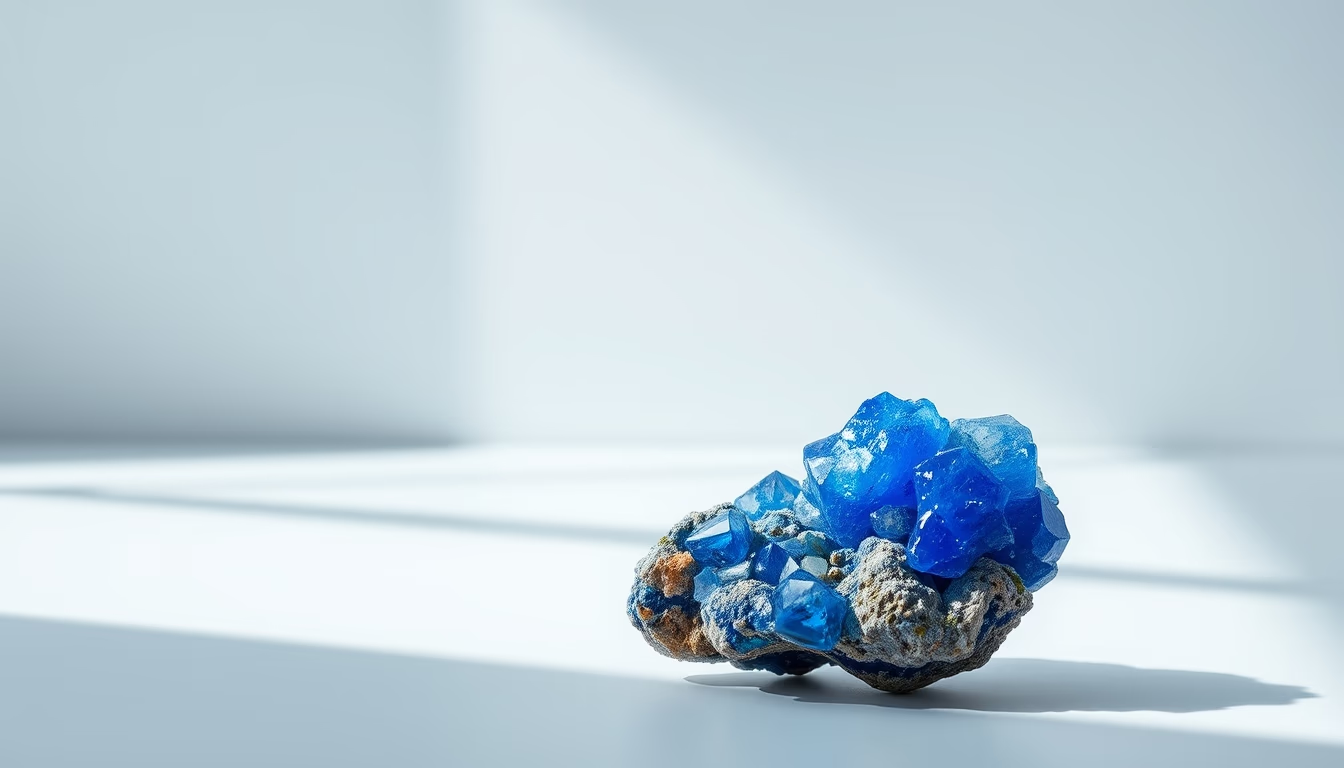
Azurita, um mineral de carbonato de cobre de cor azul intensa, é conhecido por seu uso histórico como pigmento e sua associação com depósitos de cobre.
Sobre o tema
A azurita é um mineral de carbonato de cobre hidroxilado, com fórmula química Cu3(CO3)2(OH)2, conhecido por seu tom azul profundo característico. Forma-se em zonas de oxidação de depósitos de cobre, frequentemente associada à malaquita, um mineral verde de composição similar. Sua coloração intensa é resultado da presença de cobre em sua estrutura cristalina.
Historicamente, a azurita foi amplamente utilizada como pigmento azul em pinturas, especialmente no Antigo Egito e durante o Renascimento. Era moída para produzir um pó fino que servia como tinta para afrescos e iluminuras. No entanto, com o tempo, a azurita tende a se transformar em malaquita, o que pode escurecer ou esverdear as obras de arte. Exemplos famosos incluem o uso em tumbas egípcias e em pinturas de artistas como Michelangelo.
Além do uso artístico, a azurita é empregada em joalheria, geralmente em cabochões ou esferas, e como minério secundário de cobre. Sua dureza relativamente baixa (3,5 a 4 na escala de Mohs) e clivagem perfeita tornam sua lapidação desafiadora. Principais depósitos incluem as minas de Chessy na França, Bisbee no Arizona (EUA) e Tsumeb na Namíbia.
Curiosamente, a azurita é um mineral instável: exposição prolongada ao ar ou luz solar acelera sua transformação em malaquita. Colecionadores frequentemente selam espécimes para retardar esse processo. Sua cor azul vibrante e história cultural fazem dela um mineral de grande interesse tanto para cientistas quanto para entusiastas de gemas.
Perguntas frequentes
Qual a diferença entre azurita e malaquita?
A azurita é azul e a malaquita é verde, devido a diferenças na estrutura cristalina e no estado de oxidação do cobre. Ambas são carbonatos de cobre, mas a azurita tem fórmula Cu3(CO3)2(OH)2, enquanto a malaquita é Cu2CO3(OH)2.
A azurita pode ser usada em joias?
Sim, mas com cuidado. A azurita é relativamente macia (dureza 3,5-4) e clivável, sendo mais adequada para cabochões ou pingentes. Deve ser protegida de impactos e da exposição excessiva à luz para evitar desbotamento ou transformação em malaquita.
Por que a azurita se transforma em malaquita?
A azurita é termodinamicamente instável em condições atmosféricas normais. A presença de umidade e dióxido de carbono acelera a reação que converte azurita em malaquita, que é mais estável. Esse processo é conhecido como pseudomorfose.
URL direta
https://pub-c7d6a6ea828543ac903a74a341ccb2e1.r2.dev/imagens/azurite-blue-mineral-minimalist-composition-p2.avifComo creditar
Inclua um link visível de volta pro UtilizAí. Copie um dos snippets abaixo:
<a href="https://xn--utiliza-eza.com/midia/imagens/azurite-blue-mineral-minimalist-composition-p2">Azurite blue mineral</a> by <a href="https://xn--utiliza-eza.com">UtilizAí</a>, licensed under <a href="https://creativecommons.org/licenses/by/4.0/">CC BY 4.0</a>.
[Azurite blue mineral](https://xn--utiliza-eza.com/midia/imagens/azurite-blue-mineral-minimalist-composition-p2) by [UtilizAí](https://xn--utiliza-eza.com), CC BY 4.0
Licença: CC-BY-4.0