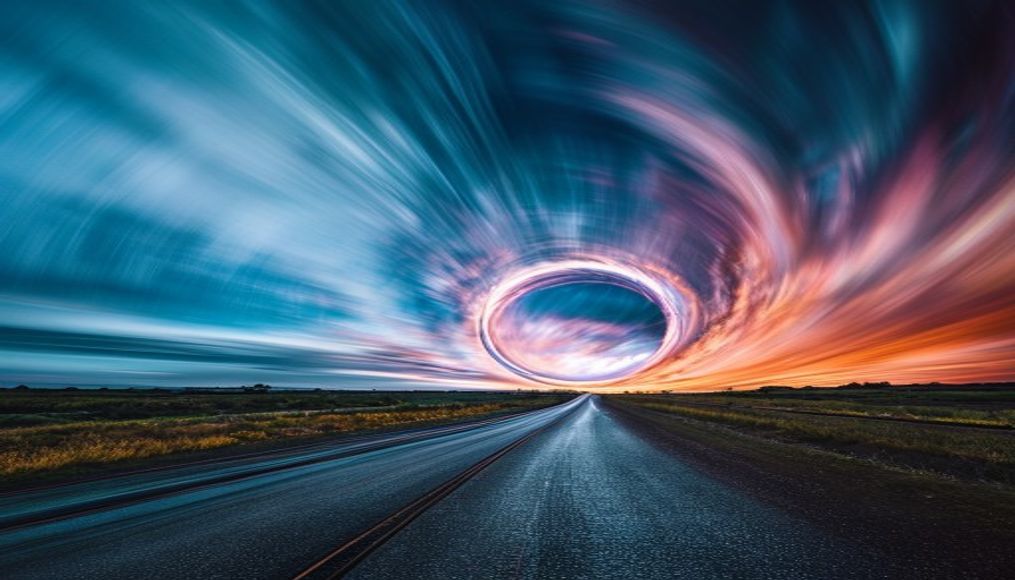
Aurora over snow lake
1344×768 · AVIF · CC BY 4.0
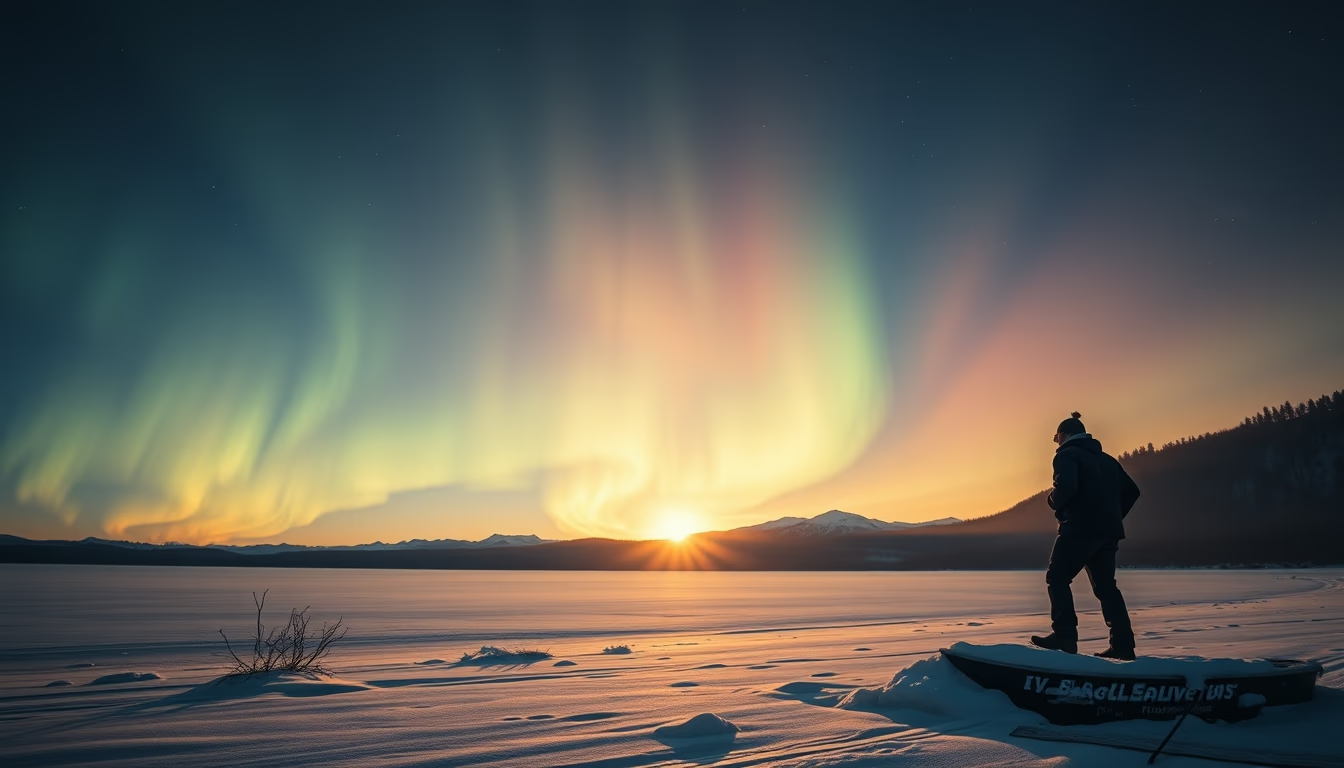
Auroras over frozen lakes create one of the most stunning natural spectacles, blending solar phenomena with arctic landscapes.
About this subject
Auroras (borealis in the north, australis in the south) are luminous phenomena caused by the interaction of charged solar wind particles with Earth's magnetosphere. These particles, when colliding with oxygen and nitrogen atoms in the upper atmosphere, emit colorful lights that dance across the sky. The most common colors are green, red, purple, and blue, depending on altitude and the type of gas excited.
Frozen lakes in polar regions, such as those in Alaska, Canada, Scandinavia, and Russia, provide an ideal setting for aurora viewing. The icy surface reflects and amplifies the glow, creating a unique visual effect. During winter, long dark nights and dry air increase visibility. Famous spots include Lake Superior (USA), Lake Inari (Finland), and Lake Mývatn (Iceland) for this combination.
Historically, auroras have been interpreted differently by ancient cultures. Vikings believed they were reflections of Valkyries' shields, while Inuit saw them as spirits playing in the sky. In modern science, studying auroras helps understand space weather and the effects of solar storms on Earth. Aurora intensity varies with the 11-year solar cycle, and 2025-2026 is forecasted as a peak activity period.
To photograph auroras over frozen lakes, a camera with long exposure, tripod, and wide-angle lens is recommended. The best time ranges from September to March in the Arctic, with cloudless nights and low light pollution. The phenomenon is not dangerous as it occurs over 100 km altitude, but extreme cold conditions require proper clothing.
Frequently Asked Questions
What causes the aurora borealis?
The aurora borealis is caused by charged particles from the solar wind colliding with Earth's magnetosphere and exciting oxygen and nitrogen atoms in the upper atmosphere, releasing colorful light.
What is the best time to see auroras over frozen lakes?
The best time is during winter in the Northern Hemisphere, from September to March, when nights are long and dark, and the lake surface reflects the light.
Is it safe to observe auroras?
Yes, the aurora occurs in the thermosphere, between 100 and 300 km altitude, and poses no direct danger. However, extreme cold conditions require proper clothing and caution against hypothermia.
Direct URL
https://pub-c7d6a6ea828543ac903a74a341ccb2e1.r2.dev/imagens/aurora-over-snow-lake-cinematic-wide-shot-p4.avifHow to credit
Include a visible link back to UtilizAí. Copy one of the snippets below:
<a href="https://xn--utiliza-eza.com/en/midia/imagens/aurora-over-snow-lake-cinematic-wide-shot-p4">Aurora over snow lake</a> by <a href="https://xn--utiliza-eza.com">UtilizAí</a>, licensed under <a href="https://creativecommons.org/licenses/by/4.0/">CC BY 4.0</a>.
[Aurora over snow lake](https://xn--utiliza-eza.com/en/midia/imagens/aurora-over-snow-lake-cinematic-wide-shot-p4) by [UtilizAí](https://xn--utiliza-eza.com), CC BY 4.0
License: CC-BY-4.0