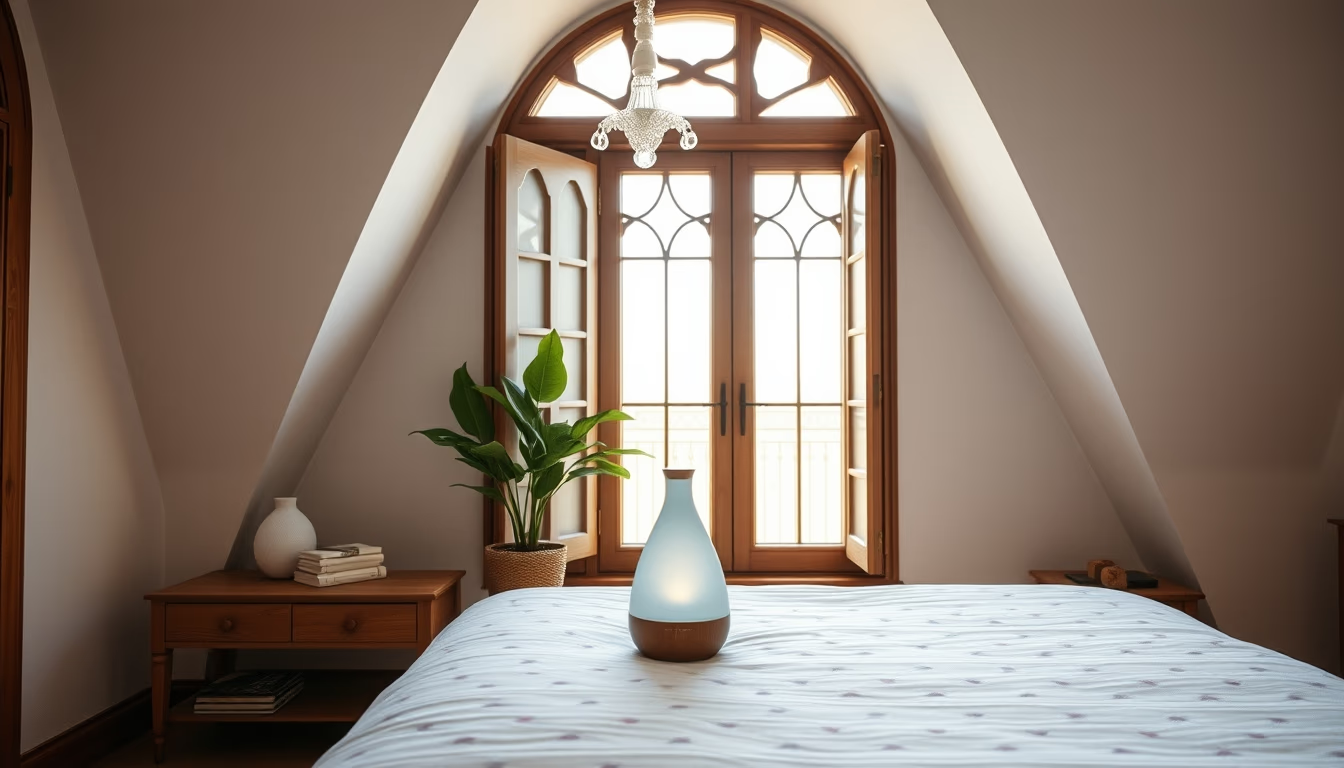
Aromatherapy diffuser bedside
1344×768 · AVIF · CC BY 4.0
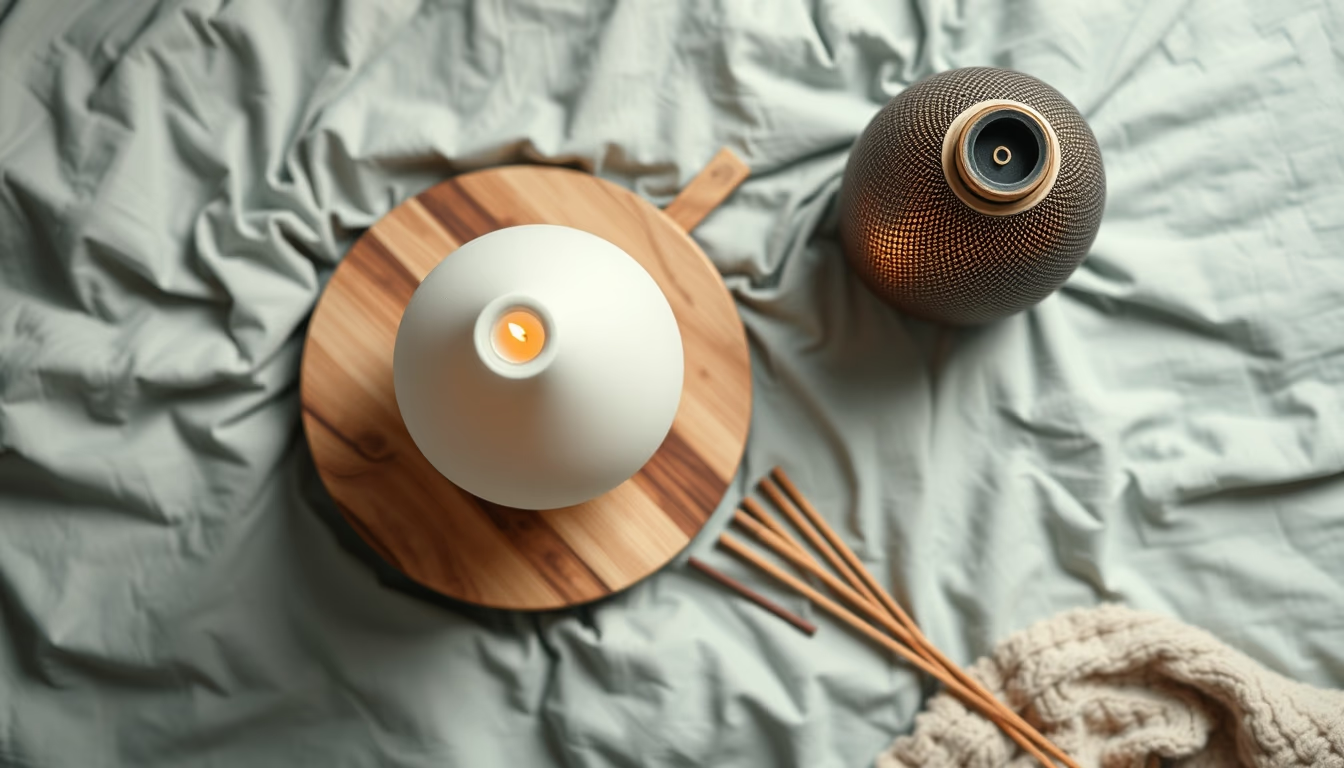
Bedside aromatherapy diffusers promote relaxation and improve sleep quality through essential oils.
About this subject
Aromatherapy diffusers have become common bedside companions, offering a simple way to incorporate the benefits of essential oils into the nightly routine. These devices work by dispersing microscopic oil particles mixed with water into the air, creating a fine mist that can be inhaled during sleep. The practice, rooted in ancient traditions, has gained scientific backing: studies indicate that certain essential oils, such as lavender and Roman chamomile, can reduce cortisol levels and induce a state of calm, easing the transition to sleep.
In Brazil, aromatherapy has gained followers in large urban centers, where stress and insomnia are frequent complaints. Ultrasonic diffusers, the most popular type for being silent and not heating the oils, preserve therapeutic properties. Besides sleep benefits, the added humidification can alleviate respiratory issues, especially in dry climates or when using air conditioning. It is important, however, to choose pure, high-quality oils, avoiding synthetic fragrances that may irritate the airways.
Another advantage of nighttime use is the creation of a sensory ritual that associates the scent with relaxation, conditioning the mind for rest. Oils like sweet orange, bergamot, and sandalwood are also recommended for those seeking deeper sleep. To maximize effects, experts suggest placing the diffuser about one meter from the bedside on a stable surface, and setting it to turn off after 1 to 2 hours to avoid over-saturation. Regular maintenance, with weekly cleaning, prevents residue buildup and mold growth.
The popularity of aromatherapy diffusers reflects a growing search for natural wellness solutions, aligned with global self-care trends. In Brazil, both national and imported brands offer models ranging from minimalist designs to options with LED lights, integrating into bedroom decor. Clinical studies continue to explore the therapeutic potential of aromatherapy, solidifying its role as an ally in combating insomnia and promoting restorative sleep.
Frequently Asked Questions
How to use an aromatherapy diffuser in the bedroom for better sleep?
Place the diffuser on a stable surface like a nightstand, about 1 meter from the headboard. Add filtered water and 3 to 5 drops of essential oil (e.g., lavender). Turn it on 30 minutes before bedtime and set it to turn off after 1 to 2 hours. Keep the room ventilated and clean the device weekly.
Which essential oils are best for sleep?
The most studied are lavender (Lavandula angustifolia), Roman chamomile (Chamaemelum nobile), and sweet orange (Citrus sinensis). Bergamot, sandalwood, and cedarwood are also popular. Avoid stimulating oils like peppermint or rosemary.
Ultrasonic vs. nebulizing diffuser: which is better for nighttime use?
Ultrasonic diffusers use vibrations to create a cool mist, run almost silently, and are ideal for bedrooms. Nebulizers do not use water, disperse pure oil, and are louder; their scent is more intense but may be too strong for small spaces. For bedside use, ultrasonic is the most recommended.
Direct URL
https://pub-c7d6a6ea828543ac903a74a341ccb2e1.r2.dev/imagens/aromatherapy-diffuser-bedside-isometric-flat-lay-fresh3.avifHow to credit
Include a visible link back to UtilizAí. Copy one of the snippets below:
<a href="https://xn--utiliza-eza.com/en/midia/imagens/aromatherapy-diffuser-bedside-isometric-flat-lay-fresh3">Aromatherapy diffuser bedside</a> by <a href="https://xn--utiliza-eza.com">UtilizAí</a>, licensed under <a href="https://creativecommons.org/licenses/by/4.0/">CC BY 4.0</a>.
[Aromatherapy diffuser bedside](https://xn--utiliza-eza.com/en/midia/imagens/aromatherapy-diffuser-bedside-isometric-flat-lay-fresh3) by [UtilizAí](https://xn--utiliza-eza.com), CC BY 4.0
License: CC-BY-4.0