Archaeological dig site
1344×768 · AVIF · CC BY 4.0
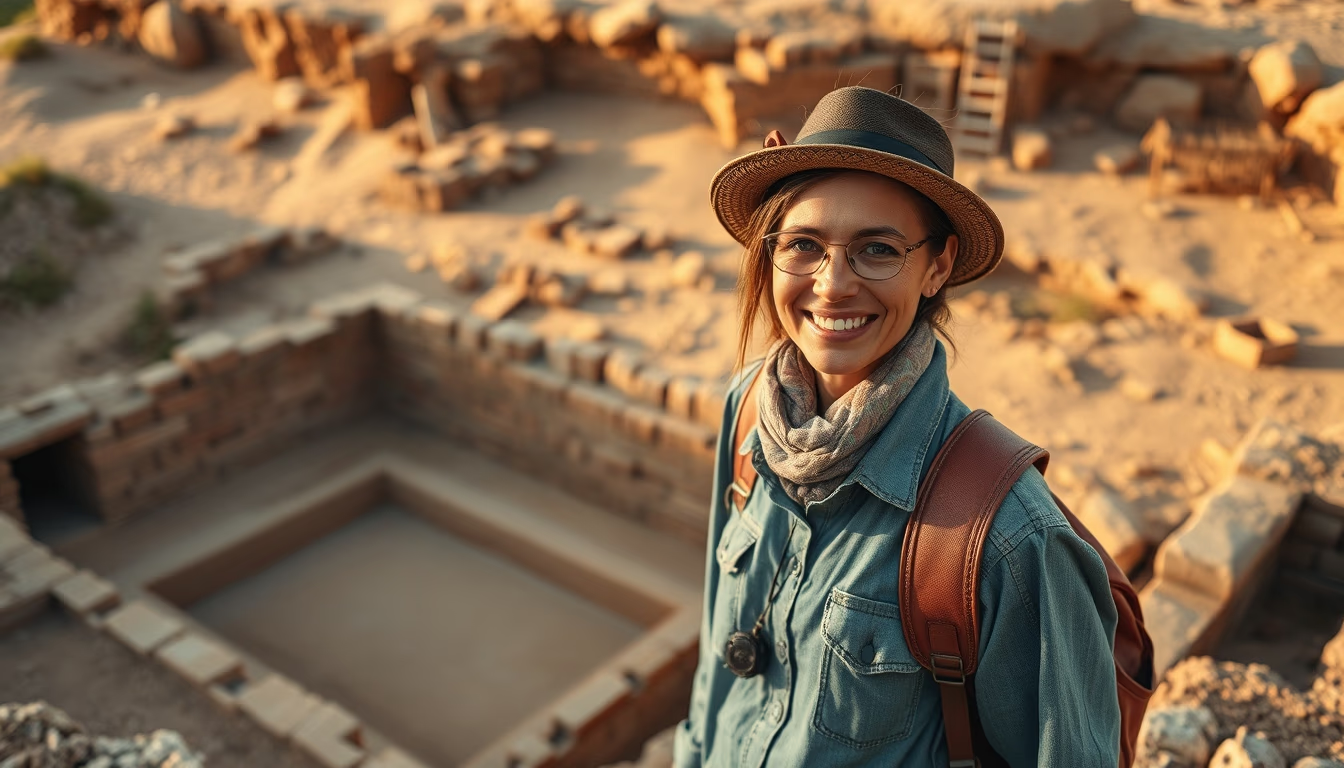
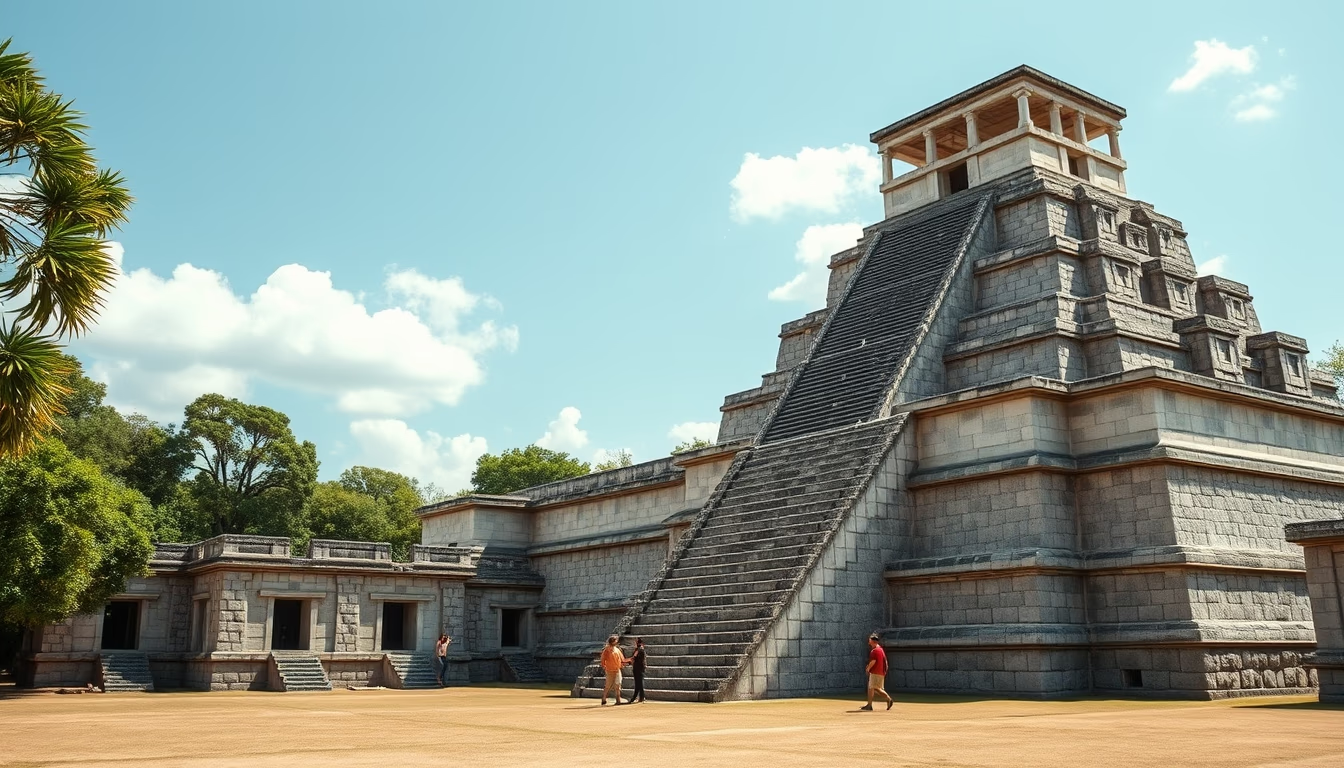
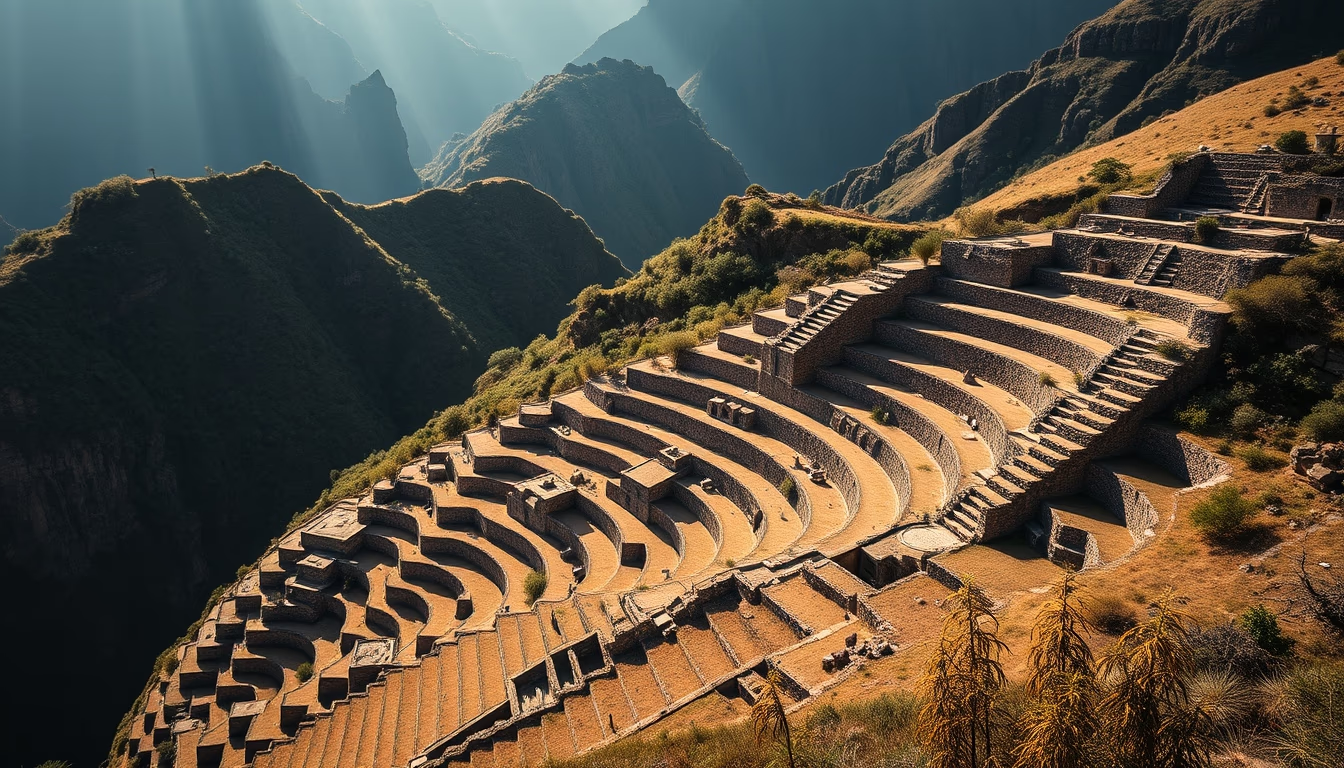
Archaeological dig sites reveal traces of ancient civilizations through systematic excavations, offering clues about past lifestyles, technologies, and cultures.
About this subject
An archaeological dig site is a carefully selected area where archaeologists conduct fieldwork to uncover and document artifacts, structures, and other material remains left by past human societies. These sites can range from large ancient cities like Pompeii in Italy or Machu Picchu in Peru to temporary hunter-gatherer camps. Site selection is based on surface evidence, geophysical surveys, historical records, or accidental discoveries. Each excavation follows a rigorous methodology: archaeologists remove soil layers in a controlled manner, recording the three-dimensional position of every object and its stratigraphic context. This allows interpretation of the chronological sequence of occupations and relationships between different elements. Tools such as shovels, trowels, brushes, and sieving screens are essential, requiring patience and precision. Besides artifacts, organic remains like seeds, bones, and charcoal are collected for laboratory analyses, revealing past diets, economies, and climates. Preservation varies by material and environment: in arid or frozen regions, perishable materials can last millennia. Hence, sites in the Egyptian desert or Siberia offer unique insights. Archaeology as a scientific discipline was consolidated in the 19th century, but interest in ancient ruins and treasures is much older. Today, archaeological excavations follow strict ethical codes, focusing on heritage conservation and repatriation of artifacts to local communities or countries of origin when appropriate. Famous sites like the Valley of the Kings in Egypt or the Great Wall of China continue to be studied, while new sites are constantly discovered, such as geoglyphs in the Amazon or submerged structures in the Black Sea.
Frequently Asked Questions
What is an archaeological dig site?
It is a location where archaeologists conduct fieldwork to uncover and document artifacts, structures, and other remains left by past human societies, using systematic excavation and recording methods.
How do archaeologists choose where to dig?
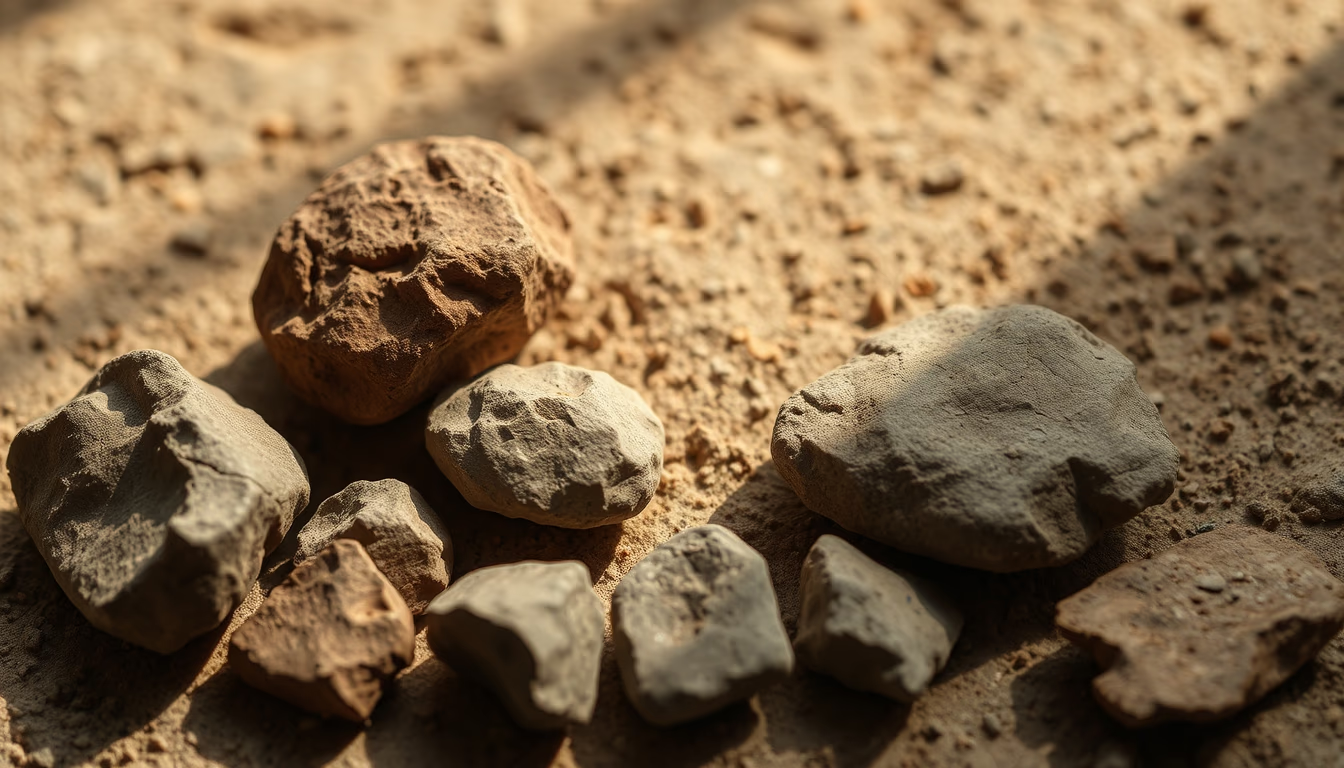
Selection is based on surface evidence like pottery fragments or worked stones, geophysical surveys using ground-penetrating radar, historical records, aerial photography, or accidental discoveries during construction.
What are some of the most famous archaeological sites in the world?
Among the best-known are Pompeii (Italy), Machu Picchu (Peru), the Valley of the Kings (Egypt), Stonehenge (England), the Great Wall of China, and the Giza pyramids (Egypt). Each provides unique insights into ancient civilizations.
Direct URL
https://pub-c7d6a6ea828543ac903a74a341ccb2e1.r2.dev/imagens/archaeological-dig-site-travel-photography-p3.avifHow to credit
Include a visible link back to UtilizAí. Copy one of the snippets below:
<a href="https://xn--utiliza-eza.com/en/midia/imagens/archaeological-dig-site-travel-photography-p3">Archaeological dig site</a> by <a href="https://xn--utiliza-eza.com">UtilizAí</a>, licensed under <a href="https://creativecommons.org/licenses/by/4.0/">CC BY 4.0</a>.
[Archaeological dig site](https://xn--utiliza-eza.com/en/midia/imagens/archaeological-dig-site-travel-photography-p3) by [UtilizAí](https://xn--utiliza-eza.com), CC BY 4.0
License: CC-BY-4.0