Archaeological dig site
1344×768 · AVIF · CC BY 4.0

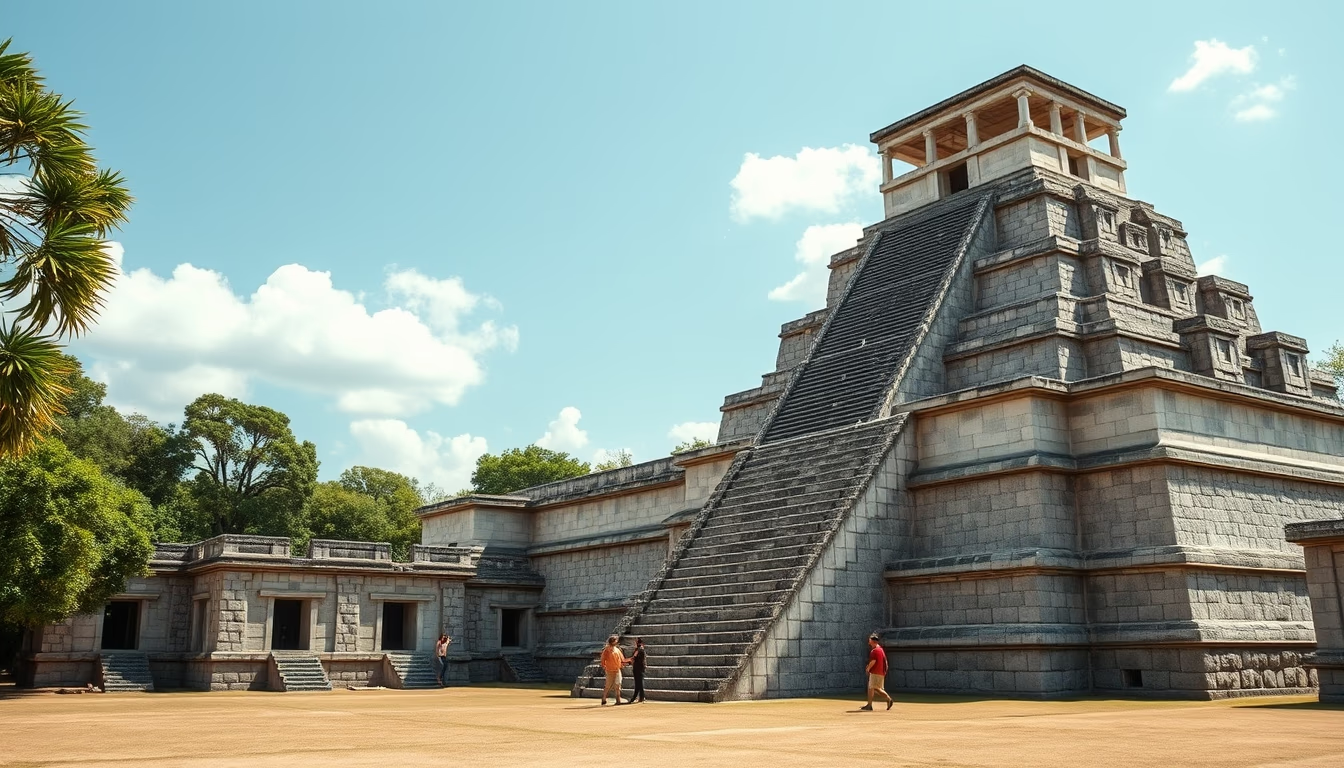
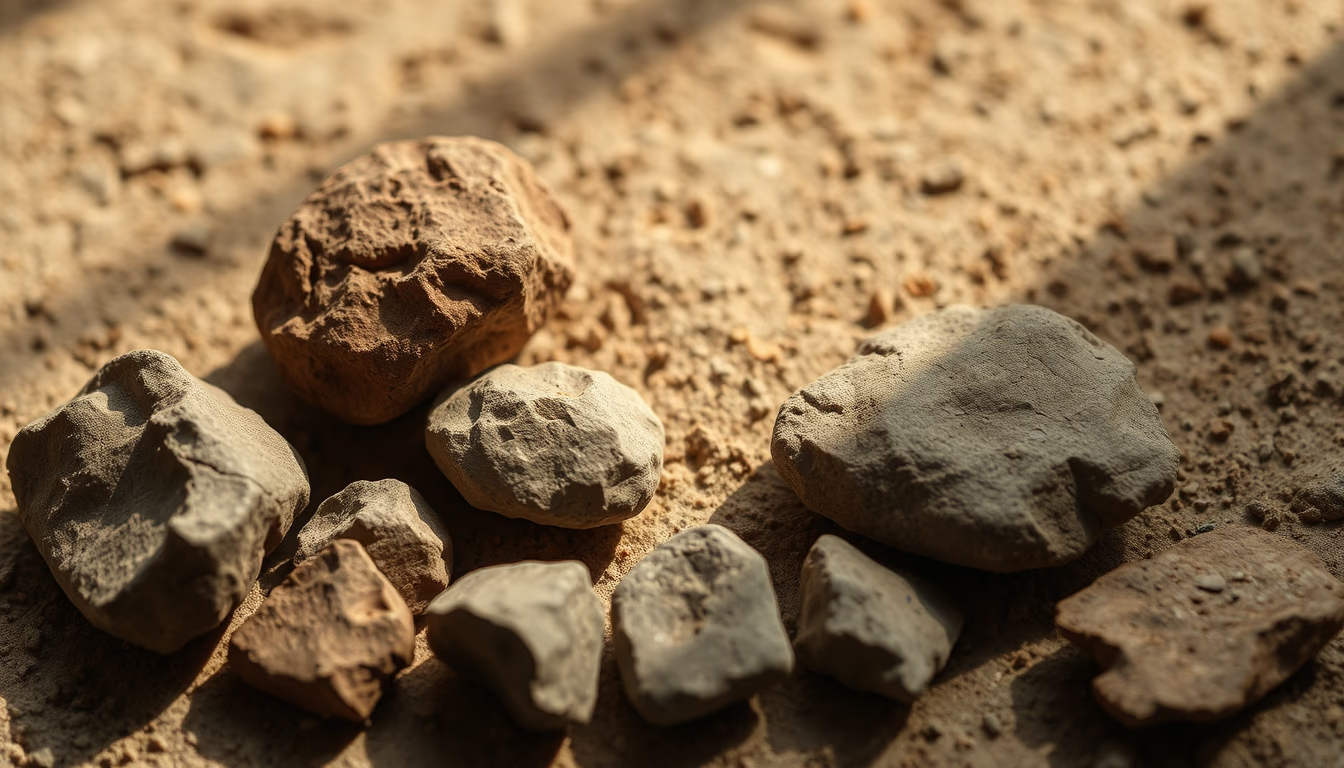
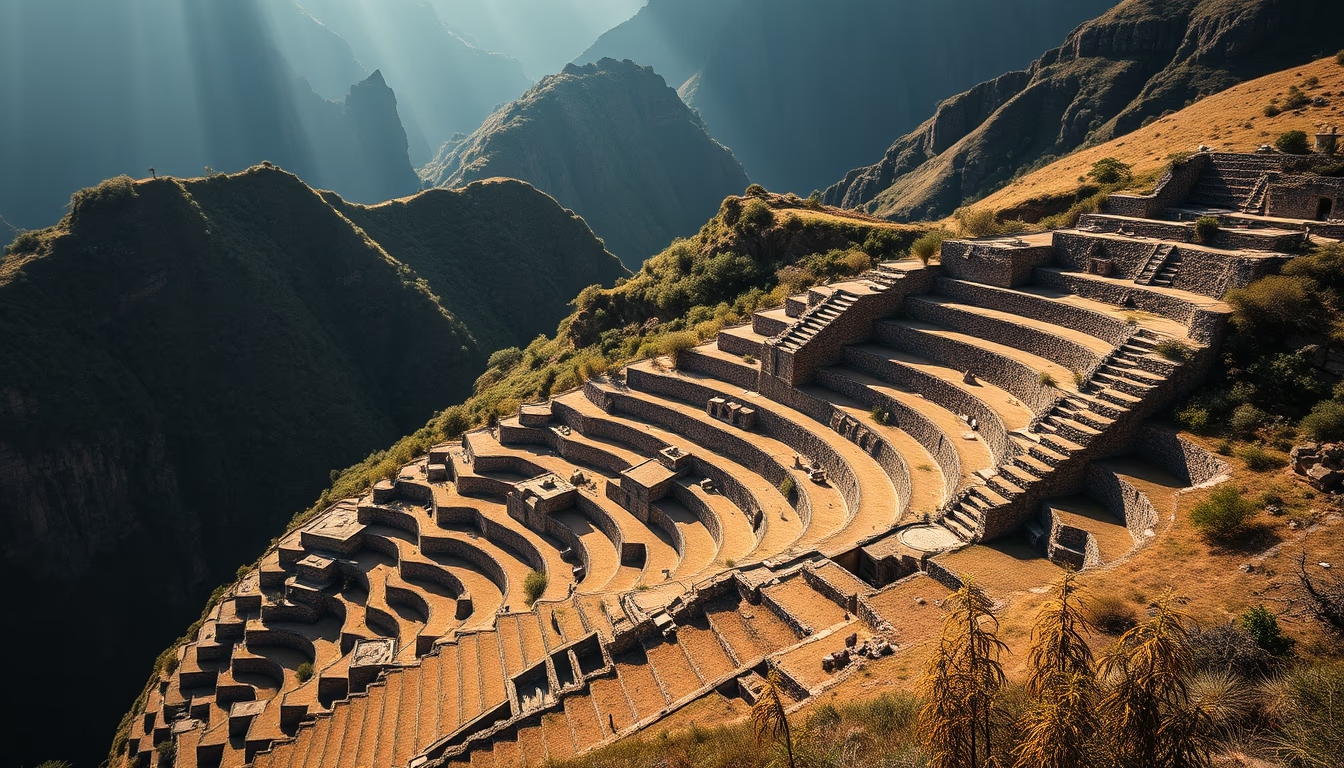
Archaeological dig sites are places of immense historical value, where scientists unearth traces of past civilizations, revealing ancient ways of life, beliefs, and technologies.
About this subject
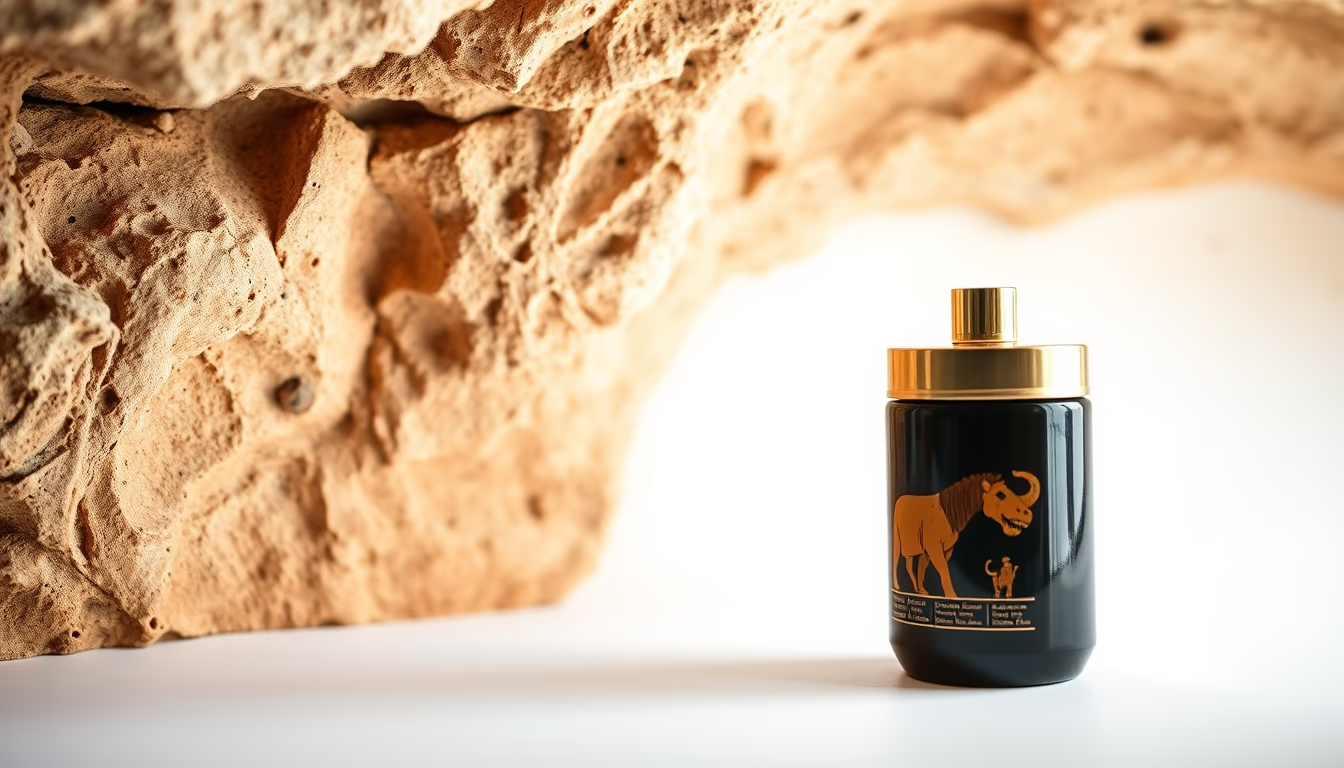
Archaeological dig sites are delimited areas where multidisciplinary teams conduct controlled excavations to investigate past human occupations. Each soil layer can contain artifacts, structures, or ecofacts that help reconstruct a region's history. In Brazil, archaeology gained prominence with sites such as Serra da Capivara National Park in Piauí, which features rock paintings up to 12,000 years old. Brazilian law protects these sites through the National Historic and Artistic Heritage Institute (IPHAN), which regulates research and construction in sensitive areas. During an excavation, techniques like radiocarbon dating and stratigraphic analysis are used to contextualize finds. The work is meticulous and can take years, but each discovery contributes to knowledge of human evolution. Interestingly, archaeological sites have also attracted attention from other sectors, such as high-fashion editorial, which occasionally uses these backdrops to create images that contrast ancient with contemporary. This cultural appropriation raises debates about ethics and preservation, as unregulated tourism can damage fragile structures. On the other hand, media exposure can raise public awareness of archaeology as a science that safeguards collective memory.
Frequently Asked Questions
How is an archaeological site discovered?
Sites can be discovered by chance during construction, through aerial mapping using remote sensors, or by reports from local residents. Archaeologists also use field walking surveys to identify surface traces.
Why is it important to preserve archaeological sites?
Preserving sites is essential for maintaining our cultural and scientific heritage. They contain unique information about pre‑historic societies, their technologies, and their relationships with the environment.
What happens during an archaeological excavation?
Excavations follow a strict grid, recording each object in its original position. The material is collected, cataloged, and sent for laboratory analysis, while the site is documented with photos and drawings.
Direct URL
https://pub-c7d6a6ea828543ac903a74a341ccb2e1.r2.dev/imagens/archaeological-dig-site-high-fashion-editorial-p5.avifHow to credit
Include a visible link back to UtilizAí. Copy one of the snippets below:
<a href="https://xn--utiliza-eza.com/en/midia/imagens/archaeological-dig-site-high-fashion-editorial-p5">Archaeological dig site</a> by <a href="https://xn--utiliza-eza.com">UtilizAí</a>, licensed under <a href="https://creativecommons.org/licenses/by/4.0/">CC BY 4.0</a>.
[Archaeological dig site](https://xn--utiliza-eza.com/en/midia/imagens/archaeological-dig-site-high-fashion-editorial-p5) by [UtilizAí](https://xn--utiliza-eza.com), CC BY 4.0
License: CC-BY-4.0