Aquaponics system fish
1344×768 · AVIF · CC BY 4.0
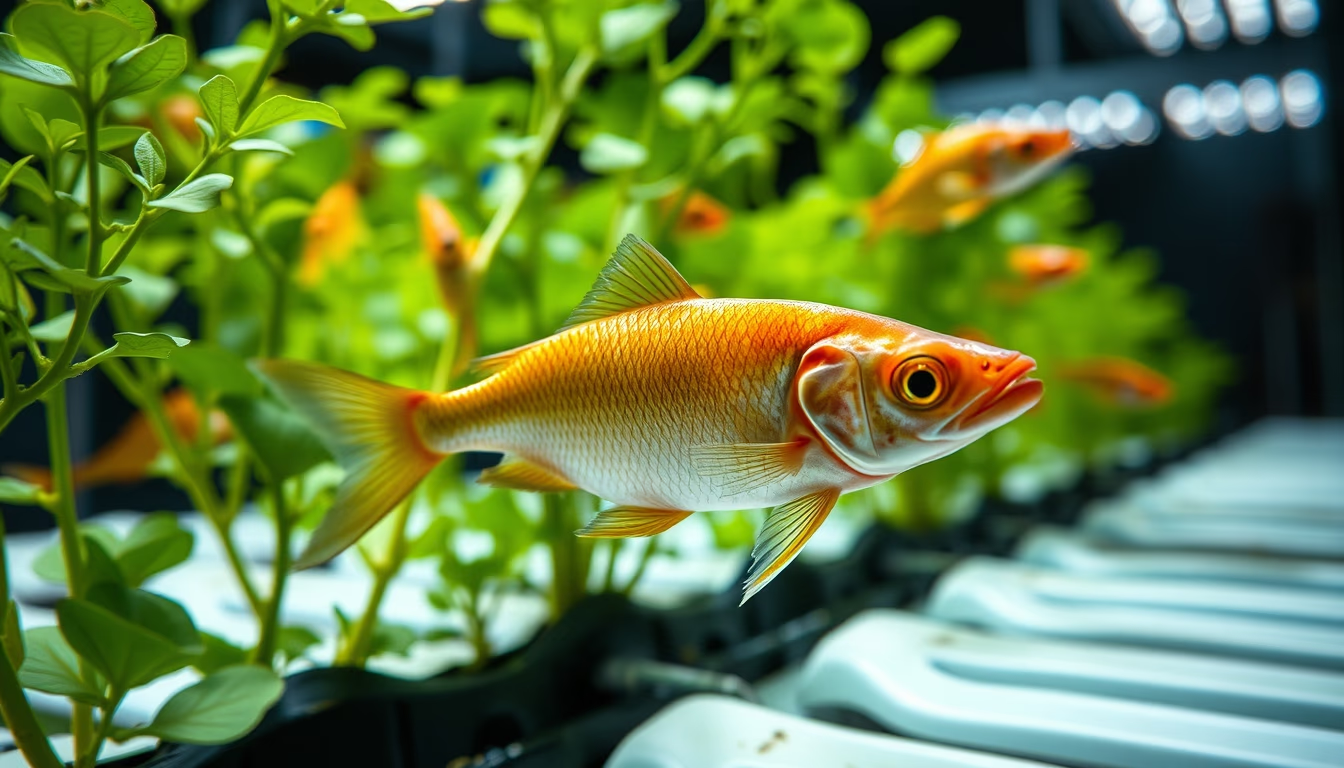
Aquaponics system integrates fish farming and hydroponics in a sustainable cycle, producing fish and vegetables with water efficiency.
About this subject
Aquaponics is an integrated food production system that combines aquaculture (fish farming) with hydroponics (growing plants in water). In this closed loop, fish waste decomposes into ammonia, which is then converted by nitrifying bacteria into nitrates, essential nutrients for plants. In return, the plants filter and purify the water, which is recirculated back to the fish tanks. This cycle drastically reduces water consumption: while traditional agriculture can use thousands of liters per kilogram of food, aquaponics loses only about 10% of its water through evaporation and transpiration.
Common fish species used in aquaponics include tilapia, trout, carp, and catfish, chosen for their hardiness and rapid growth. On the plant side, favorites are lettuce, herbs, basil, and leafy greens. Because it eliminates soil, the system avoids erosion and pesticide contamination, making it a form of organic agriculture when fish feed is also organic. Systems range from small home setups to large commercial operations supplying local restaurants and markets.
Aquaponics has gained traction in urban centers as a solution for food security and local production. In cities like São Paulo and New York, aquaponic installations occupy rooftops and warehouses, making use of underutilized spaces. Beyond sustainability, the sleek design of the systems attracts architects and designers who incorporate tanks and growing beds into interiors with clean aesthetics, explaining the interest from the fashion world and editorial trends. Integrating animal protein and vegetable production in a single system represents a key step for future agriculture, especially in water-scarce regions.
Frequently Asked Questions
What fish are most commonly used in aquaponics?
The most common species are tilapia, trout, carp, and catfish. Tilapia is preferred for its hardiness, fast growth, and tolerance to temperature variations.
How is water recycled in an aquaponics system?
Water flows in a continuous cycle: fish produce waste, bacteria convert ammonia into nitrates, plants absorb these nutrients, and clean water returns to the fish tanks.
Is aquaponics considered organic farming?
Yes, as long as fish feed and plant management follow organic principles, without synthetic pesticides or fertilizers. The absence of soil eliminates many contaminants.
Direct URL
https://pub-c7d6a6ea828543ac903a74a341ccb2e1.r2.dev/imagens/aquaponics-system-fish-high-fashion-editorial-p1.avifHow to credit
Include a visible link back to UtilizAí. Copy one of the snippets below:
<a href="https://xn--utiliza-eza.com/en/midia/imagens/aquaponics-system-fish-high-fashion-editorial-p1">Aquaponics system fish</a> by <a href="https://xn--utiliza-eza.com">UtilizAí</a>, licensed under <a href="https://creativecommons.org/licenses/by/4.0/">CC BY 4.0</a>.
[Aquaponics system fish](https://xn--utiliza-eza.com/en/midia/imagens/aquaponics-system-fish-high-fashion-editorial-p1) by [UtilizAí](https://xn--utiliza-eza.com), CC BY 4.0
License: CC-BY-4.0