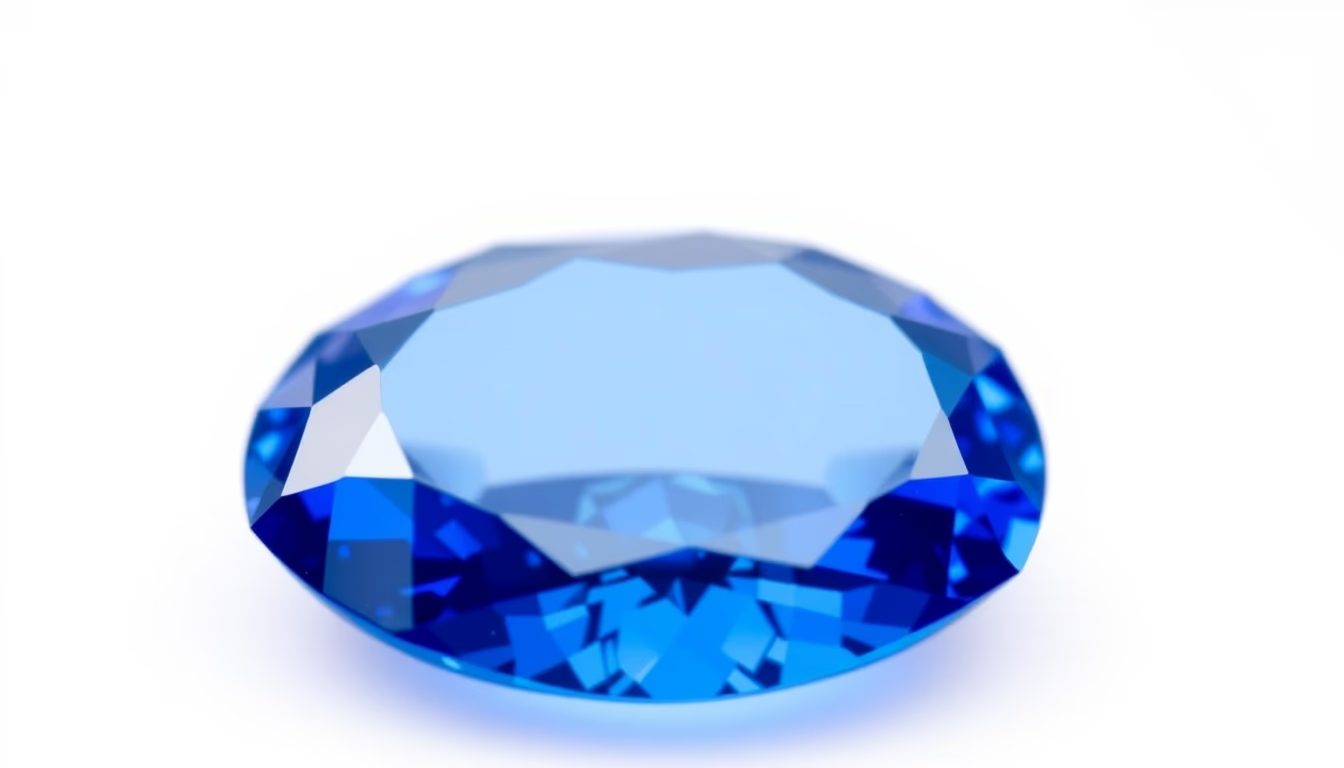
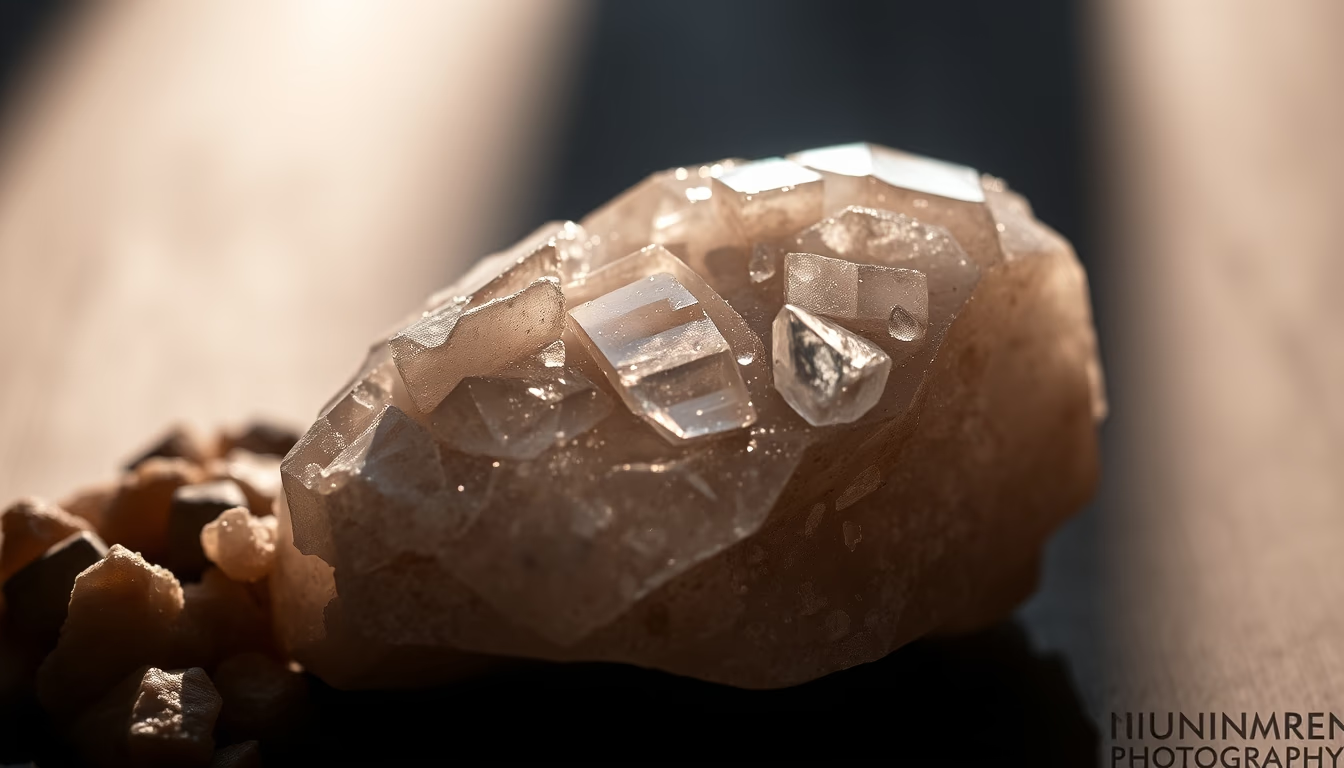
Aquamarine pale blue
1344×768 · AVIF · CC BY 4.0

Aquamarine is a pale blue variety of beryl, prized for its beauty and its association with the tranquility of the sea.
About this subject
Aquamarine is a member of the beryl family, composed of beryllium aluminum silicate. Its characteristic pale blue color results from iron impurities within the crystal structure. The hues range from near-colorless to deep blue-green, with the most vivid pure blue crystals being the most highly valued.
The main deposits of aquamarine are found in Brazil, particularly in the states of Minas Gerais, Espírito Santo, and Bahia. Brazil is the world's largest producer of this gemstone, with additional deposits in countries such as Pakistan, Russia, and Madagascar. In Brazil, mining in granitic pegmatites yields crystals that can reach exceptional sizes, such as the famous Papamel Aquamarine weighing over 100 kg.
Historically, aquamarine was used by sailors as a talisman for protection against shipwrecks, believed to bring courage during sea voyages. In Roman culture, it was associated with Neptune, the god of the oceans. Today, it is the birthstone for March and the symbol of the 19th wedding anniversary.
In gemology, aquamarine is relatively hard (7.5 to 8 on the Mohs scale), making it suitable for everyday jewelry. Heat treatment is commonly applied to enhance the blue color by removing unwanted greenish tones.
Frequently Asked Questions
Is aquamarine a rare gemstone?
Not extremely rare, but high-quality crystals with intense color are more scarce. Brazil produces large quantities, but faceted gems with pure blue hue and no inclusions are valuable.
What is the difference between aquamarine and blue topaz?
They are different minerals. Aquamarine is beryl, harder (7.5-8) with vitreous luster. Blue topaz is an aluminum fluorosilicate, usually harder (8) but with perfect cleavage. Blue topaz color is often more intense, achieved through treatment.
Can aquamarine be found in colors other than blue?
Aquamarine is defined by its light blue to blue-green color. Beryls of other colors have distinct names, such as emerald (green), morganite (pink), or heliodor (yellow).
Direct URL
https://pub-c7d6a6ea828543ac903a74a341ccb2e1.r2.dev/imagens/aquamarine-pale-blue-film-grain-authentic-p0.avifHow to credit
Include a visible link back to UtilizAí. Copy one of the snippets below:
<a href="https://xn--utiliza-eza.com/en/midia/imagens/aquamarine-pale-blue-film-grain-authentic-p0">Aquamarine pale blue</a> by <a href="https://xn--utiliza-eza.com">UtilizAí</a>, licensed under <a href="https://creativecommons.org/licenses/by/4.0/">CC BY 4.0</a>.
[Aquamarine pale blue](https://xn--utiliza-eza.com/en/midia/imagens/aquamarine-pale-blue-film-grain-authentic-p0) by [UtilizAí](https://xn--utiliza-eza.com), CC BY 4.0
License: CC-BY-4.0