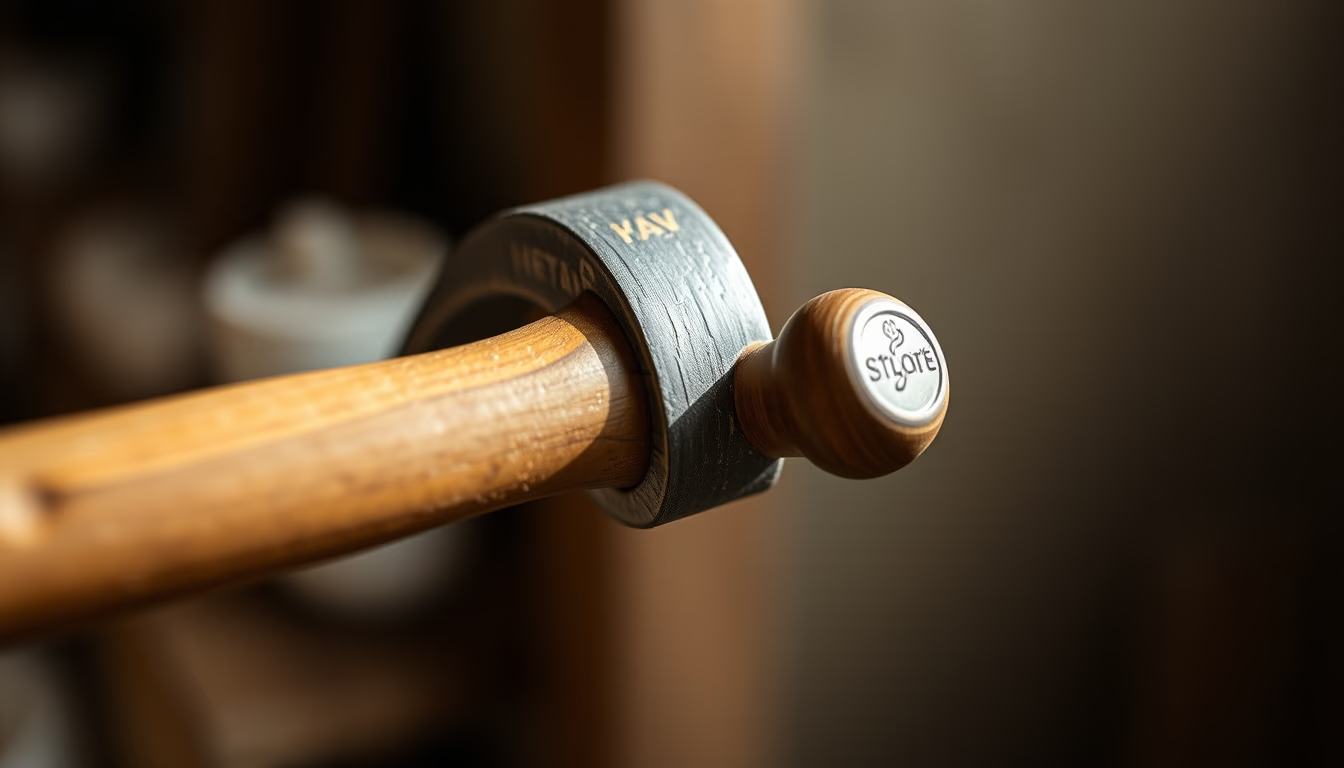
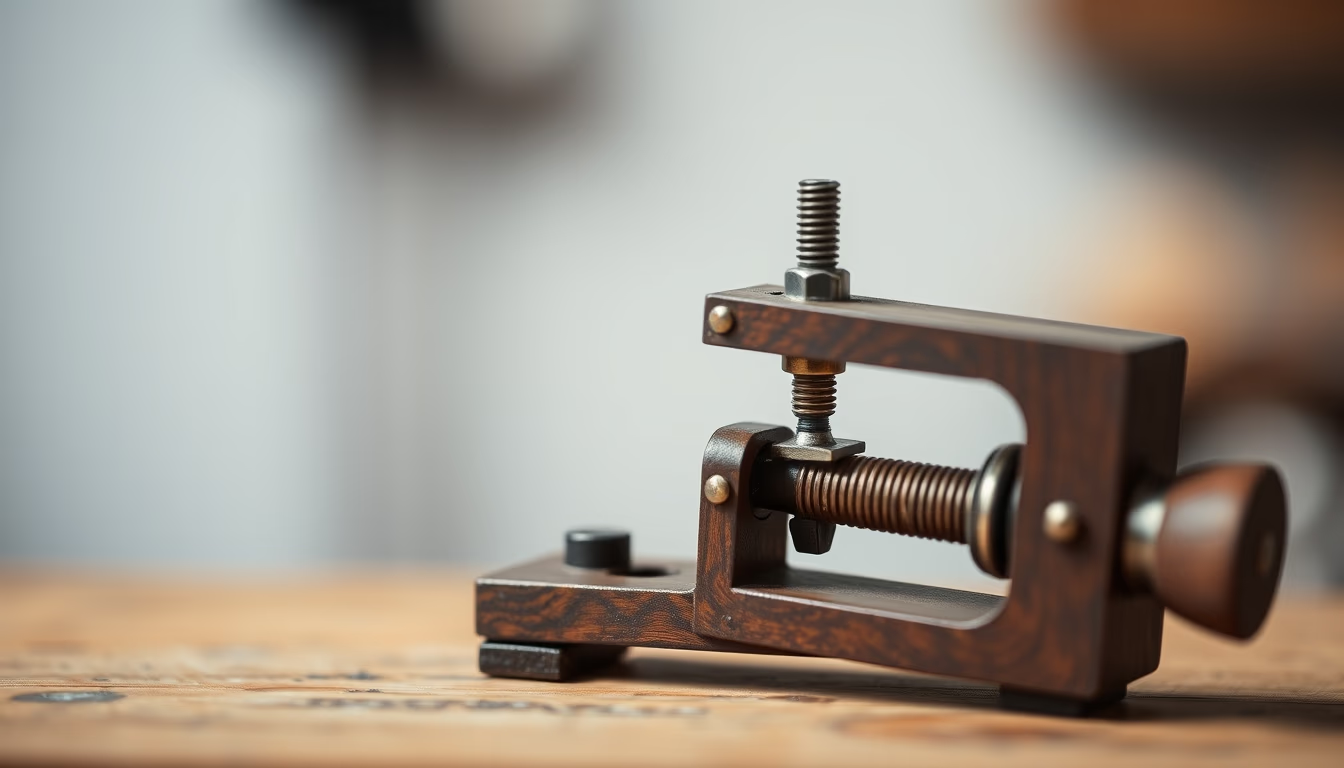
Antique hand drill brace
1344×768 · AVIF · CC BY 4.0
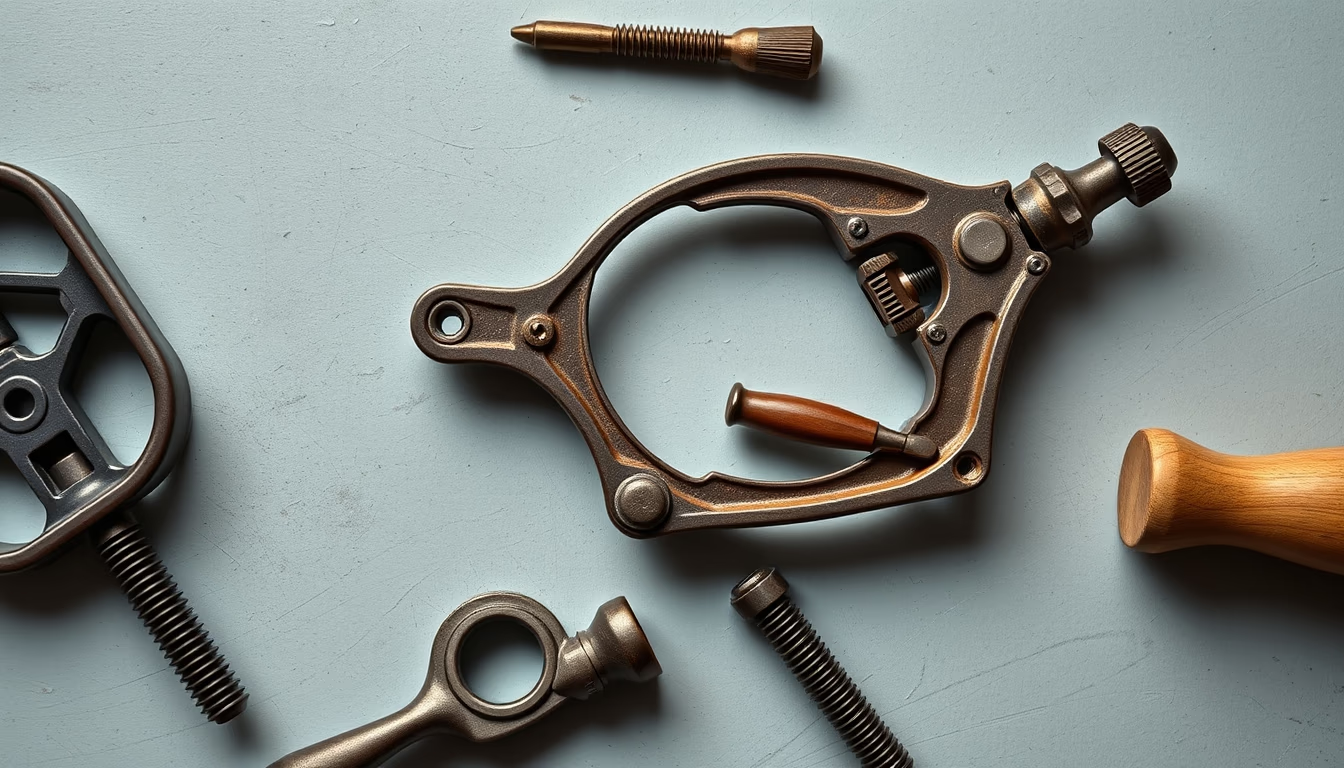
The antique hand drill brace, an essential woodworking and construction tool before electricity, features a robust and functional design.
About this subject
The hand drill brace, also known as the carpenter's brace or hand drill, was an indispensable tool for craftsmen and woodworkers for centuries. Its origins trace back to Roman times, when early wooden and metal models were used to perforate wood, bone, and soft stone. The basic design consists of a C-shaped or arm-like crank that, when rotated manually, turns the drill bit. Power is transmitted through a wheel-and-rope mechanism or, in later models, simple metal gears.
During the Industrial Revolution, the brace evolved with stronger materials like forged steel and cast iron. 19th-century models often featured turned wooden handles and ornamental details, reflecting Victorian aesthetics. These tools were common in woodworking shops, carpentry, and even blacksmithing, where they were used to drill holes in metal sheets. The accuracy of the hole depended on the operator's skill, as there were no guides or fine adjustment mechanisms.
With electrification in the early 20th century, the hand drill brace gradually gave way to electric drills, but it remained in use in remote areas without electricity or for delicate work requiring controlled torque. Today, antique pieces are valued by collectors of historical tools and maker enthusiasts, who appreciate their durability and vintage aesthetics. Well-preserved braces can be found at antique fairs or in museum collections focused on technology and traditional crafts.
Frequently Asked Questions
What is the difference between a hand brace and an electric drill?
A hand brace is manually operated by turning a crank that rotates the drill bit, while an electric drill uses a motor powered by electricity, offering higher speed and less physical effort.
When did the hand drill brace become obsolete?
It became largely obsolete in the mid-20th century as affordable electric drills became widely available, though it remained in use in remote areas and for specialized tasks.
How can I identify a valuable antique hand brace?
Look for signs of quality such as forged steel components, rosewood or ebony handles, intricate turnings, and the manufacturer's mark. Rare models from famous makers like Stanley or DeHavilland can be highly sought after.
Direct URL
https://pub-c7d6a6ea828543ac903a74a341ccb2e1.r2.dev/imagens/antique-hand-drill-brace-isometric-flat-lay-fresh15.avifHow to credit
Include a visible link back to UtilizAí. Copy one of the snippets below:
<a href="https://xn--utiliza-eza.com/en/midia/imagens/antique-hand-drill-brace-isometric-flat-lay-fresh15">Antique hand drill brace</a> by <a href="https://xn--utiliza-eza.com">UtilizAí</a>, licensed under <a href="https://creativecommons.org/licenses/by/4.0/">CC BY 4.0</a>.
[Antique hand drill brace](https://xn--utiliza-eza.com/en/midia/imagens/antique-hand-drill-brace-isometric-flat-lay-fresh15) by [UtilizAí](https://xn--utiliza-eza.com), CC BY 4.0
License: CC-BY-4.0