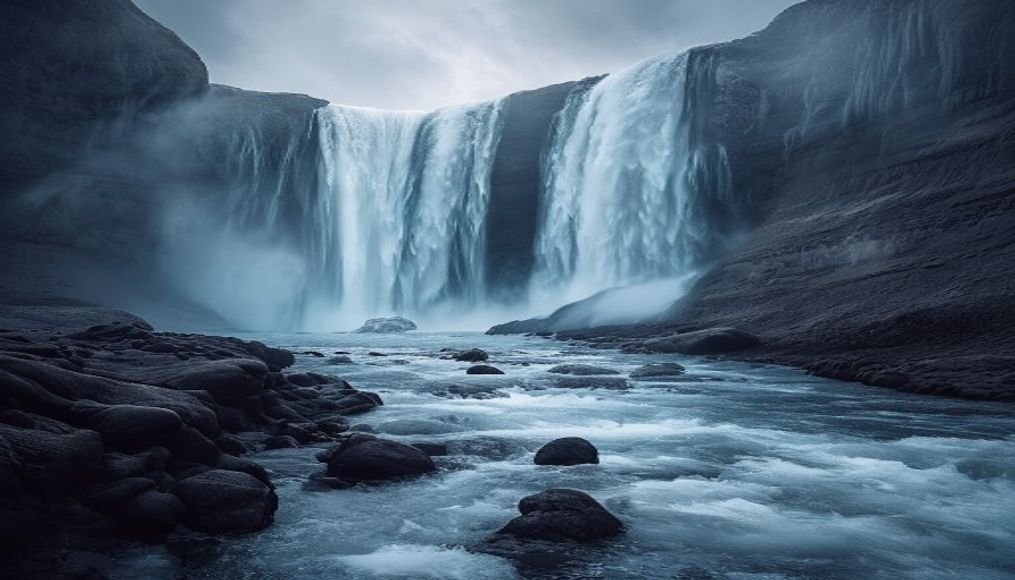
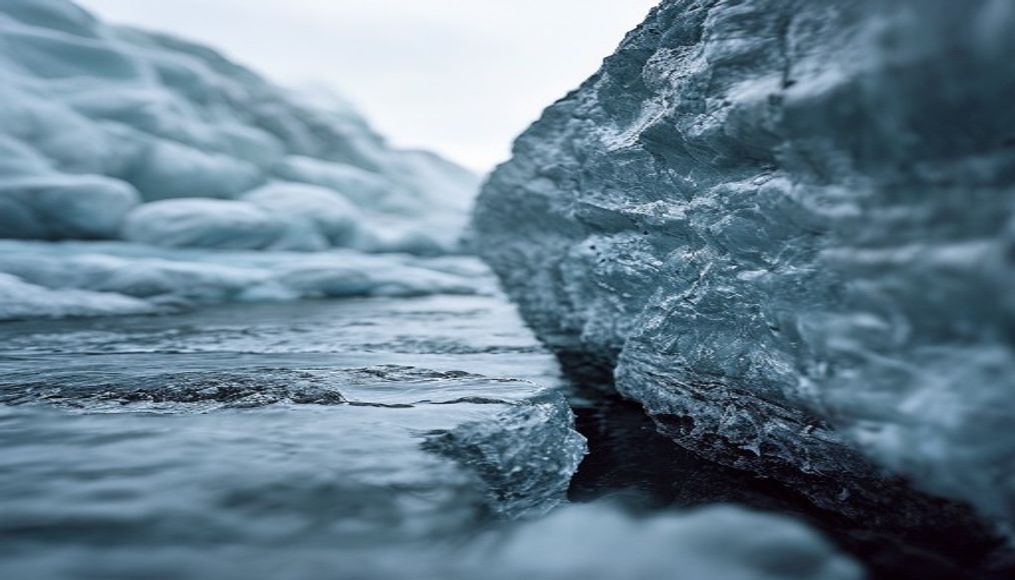
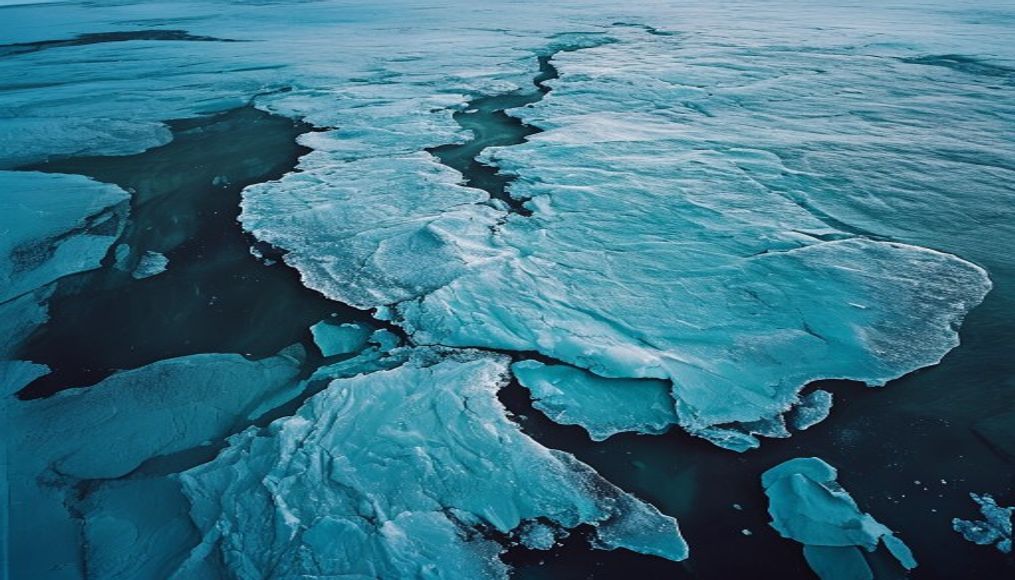
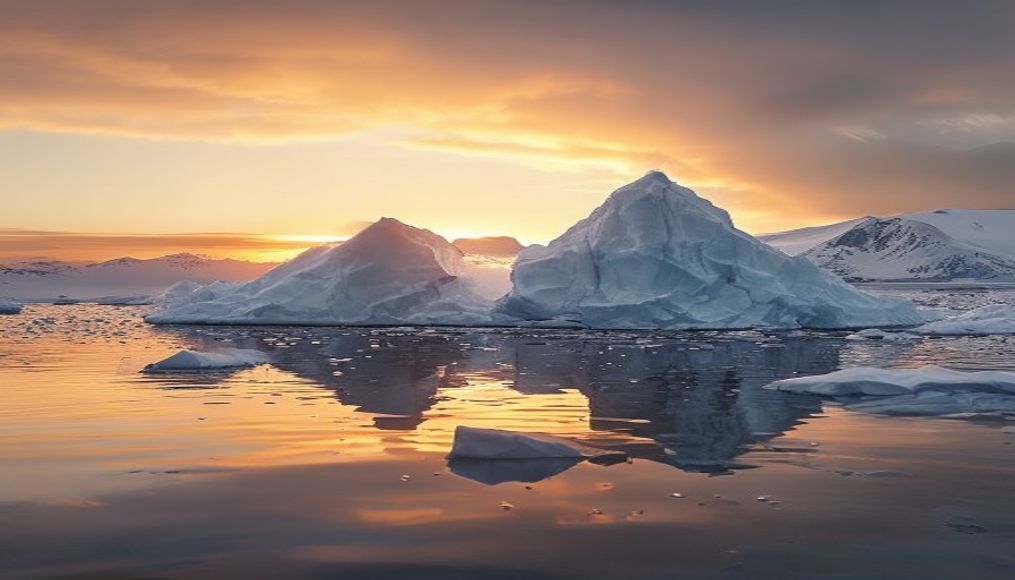
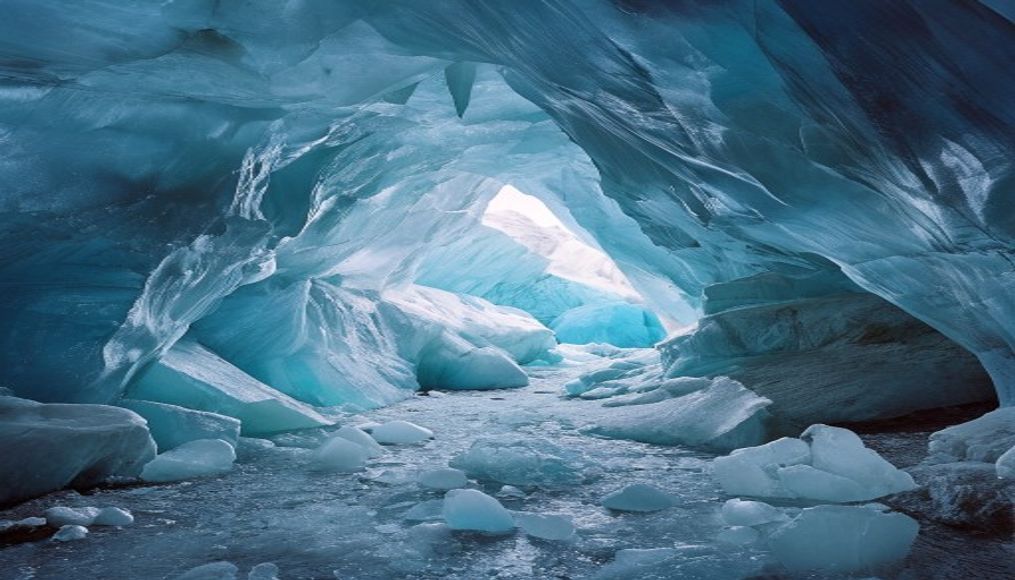
Antarctic ice shelf
1344×768 · AVIF · CC BY 4.0
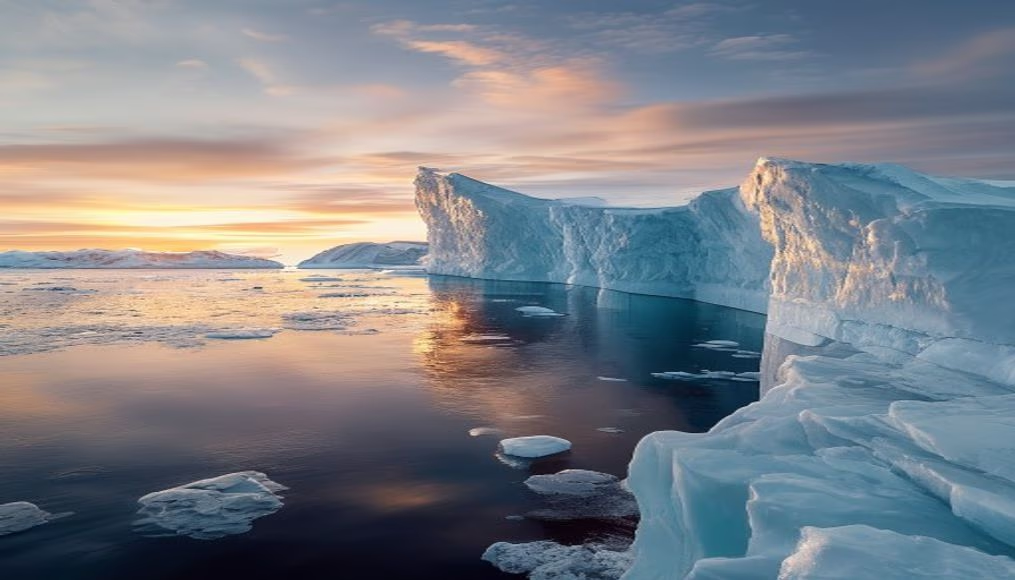
As plataformas de gelo da Antártida são enormes massas flutuantes que atuam como barreiras naturais contra o derretimento do manto de gelo continental.
Sobre o tema
As plataformas de gelo da Antártida são extensões flutuantes de geleiras que cobrem vastas áreas do Oceano Austral. A maior delas, a Plataforma de Gelo de Ross, tem aproximadamente o tamanho da França, enquanto a Plataforma de Gelo Ronne-Filchner é similar em magnitude. Essas estruturas desempenham um papel crucial na estabilidade do manto de gelo da Antártida Ocidental, agindo como suportes que retardam o fluxo das geleiras em direção ao mar.
O aquecimento global tem causado o afinamento e a fragmentação de várias plataformas. O colapso da Plataforma de Gelo Larsen B em 2002 foi um marco, liberando milhares de quilômetros quadrados de gelo. Estudos indicam que o aumento das temperaturas oceânicas e atmosféricas acelera o derretimento por baixo e a formação de lagos de água de degelo na superfície, que podem fraturar o gelo.
As plataformas de gelo contribuem indiretamente para a elevação do nível do mar. Embora sua própria fusão não aumente o nível do mar (já que estão flutuando), elas agem como barreiras. Se colapsarem, as geleiras terrestres por trás aceleram seu fluxo para o oceano, adicionando água continental ao mar. O ritmo de perda de gelo na Antártida triplicou nas últimas décadas, segundo dados da NASA.
Cientistas monitoram constantemente essas regiões usando satélites e missões de campo. Estações de pesquisa, como a McMurdo e a Halley, estão localizadas sobre as plataformas, fornecendo dados essenciais sobre a dinâmica do gelo, a interação com as correntes oceânicas e a vida marinha sob o gelo. A compreensão desses processos é vital para prever as mudanças climáticas futuras.
Perguntas frequentes
O que causa o colapso de uma plataforma de gelo?
O colapso ocorre principalmente pelo afinamento do gelo devido ao aquecimento oceânico e atmosférico. A formação de lagos de água de degelo na superfície pode fraturar o gelo, acelerando a fragmentação.
Qual a maior plataforma de gelo da Antártida?
A maior é a Plataforma de Gelo de Ross, com cerca de 487.000 km², aproximadamente do tamanho da França.
Como as plataformas de gelo afetam o nível do mar?
Elas próprias não elevam o nível do mar ao derreter, pois já estão flutuando. Porém, atuam como barreiras para as geleiras continentais; se colapsarem, o gelo terrestre escoa mais rapidamente para o oceano, contribuindo para a elevação do nível do mar.
URL direta
https://pub-c7d6a6ea828543ac903a74a341ccb2e1.r2.dev/imagens/antarctic-ice-shelf-cinematic-wide-shot-p3.avifComo creditar
Inclua um link visível de volta pro UtilizAí. Copie um dos snippets abaixo:
<a href="https://xn--utiliza-eza.com/midia/imagens/antarctic-ice-shelf-cinematic-wide-shot-p3">Antarctic ice shelf</a> by <a href="https://xn--utiliza-eza.com">UtilizAí</a>, licensed under <a href="https://creativecommons.org/licenses/by/4.0/">CC BY 4.0</a>.
[Antarctic ice shelf](https://xn--utiliza-eza.com/midia/imagens/antarctic-ice-shelf-cinematic-wide-shot-p3) by [UtilizAí](https://xn--utiliza-eza.com), CC BY 4.0
Licença: CC-BY-4.0