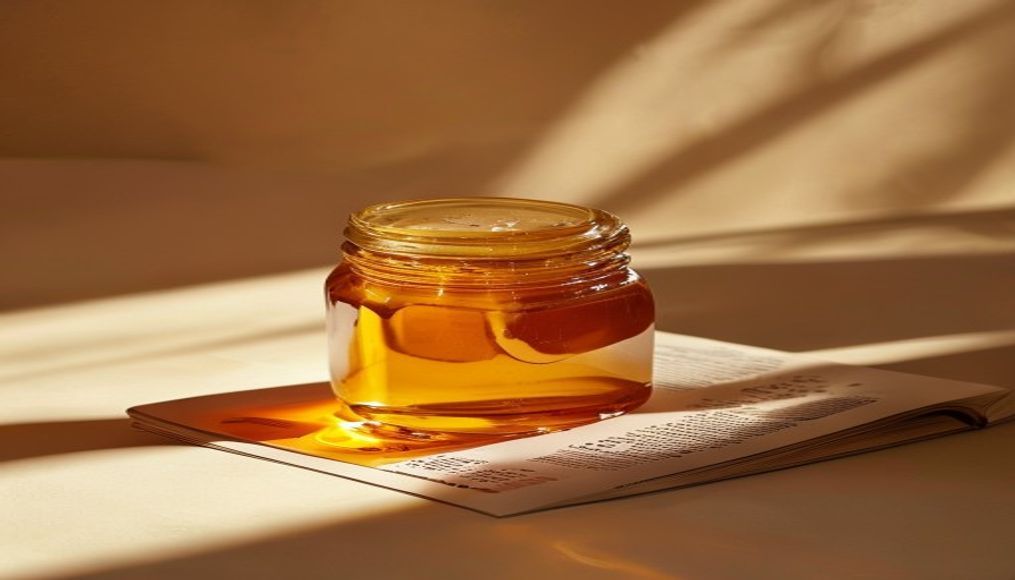
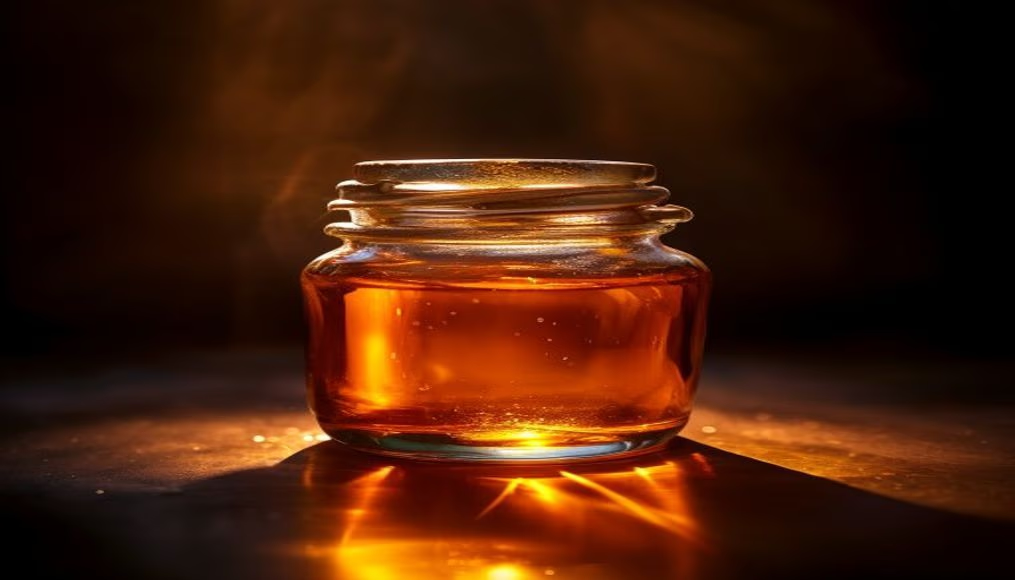
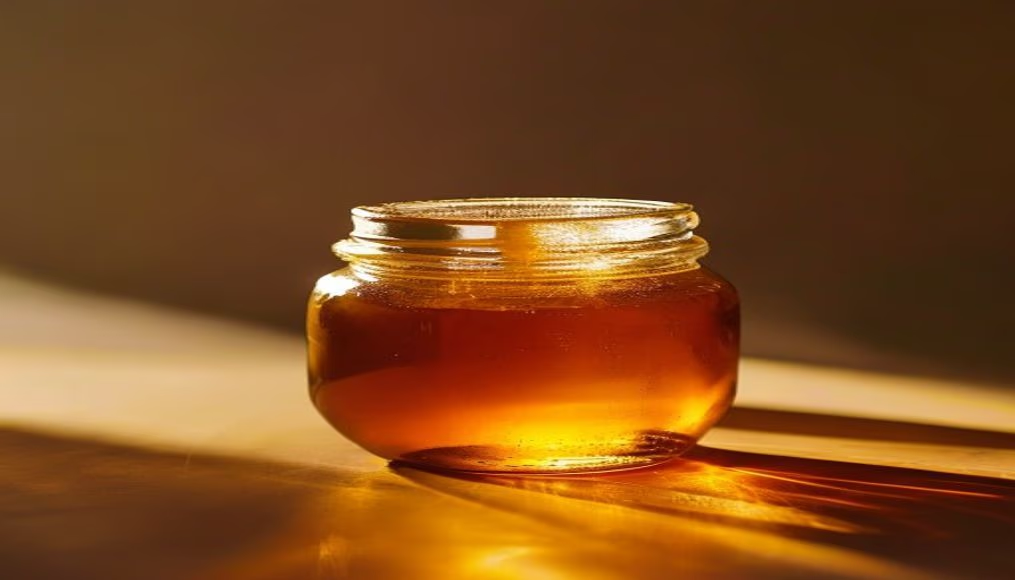
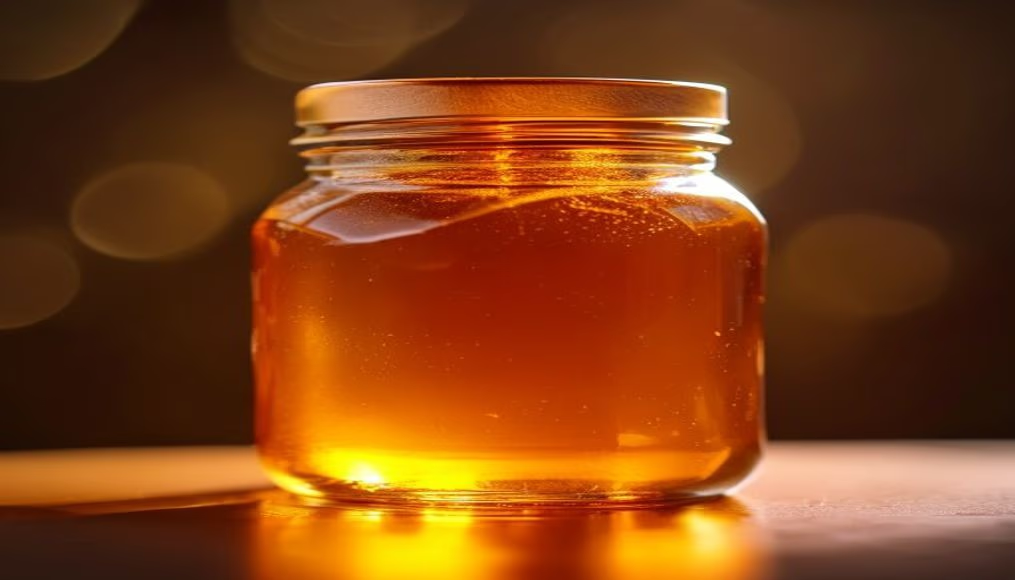
Amber resin insect inside
1344×768 · AVIF · CC BY 4.0
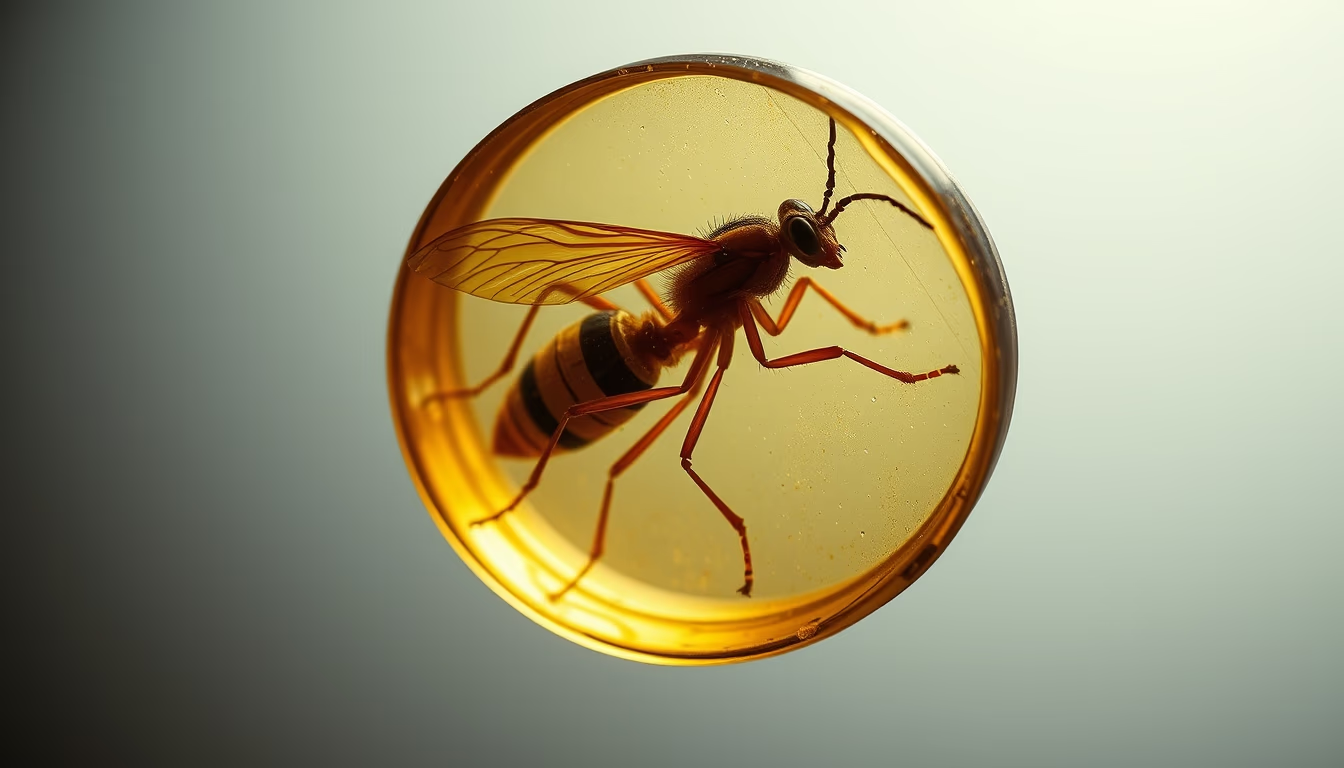
Amber is fossilized tree resin from prehistoric forests, capable of preserving insects and other organisms in three-dimensional detail for millions of years.
About this subject
Amber is fossilized tree resin originating from coniferous and angiosperm trees that lived millions of years ago, from the Carboniferous to the Cenozoic eras. As resin oozed from trunks and branches, it often trapped small organisms such as insects, spiders, or plant material, which became encased and protected from decay. This fossilization process involves polymerization and hardening of volatile hydrocarbons (terpenes) over millions of years under appropriate pressure and temperature.
Commercially significant amber deposits are found mainly in the Baltic region (notably the Kaliningrad area of Russia), the Dominican Republic, and Myanmar. Baltic amber, for instance, dates from the Eocene (about 44-49 million years ago) and is known for its high density of inclusions. Dominican amber is younger (Oligocene-Miocene, ~15-30 million years ago) and renowned for preserving tropical insects and occasionally fragments of ancient DNA.
Scientific interest in amber stems from its exceptional preservation quality: microscopic features such as cells and soft tissues can remain intact. Amber fossils provide insights into behavior, ecological interactions, and evolution. Examples include mating pairs, parasitism, and even feathered dinosaur tails. Beyond research, amber has been used for millennia in jewelry and decorative items, particularly in the Baltic region and Asia.
Frequently Asked Questions
What is amber and how does it form?
Amber is fossilized tree resin. Resin flows from trees and hardens, trapping organisms. Over millions of years, pressure and heat cause polymerization, turning it into amber.
Where are the main amber deposits located?
Major deposits are in the Baltic region (Russia, Poland, Lithuania), the Dominican Republic, and Myanmar. Each source produces amber of different ages and properties.
Why is amber with insect inclusions scientifically valuable?
It preserves three-dimensional details of ancient organisms, including soft tissues, enabling studies of evolution, ecology, and behavior over millions of years.
Direct URL
https://pub-c7d6a6ea828543ac903a74a341ccb2e1.r2.dev/imagens/amber-resin-insect-inside-lo-fi-disposable-camera-p6.avifHow to credit
Include a visible link back to UtilizAí. Copy one of the snippets below:
<a href="https://xn--utiliza-eza.com/en/midia/imagens/amber-resin-insect-inside-lo-fi-disposable-camera-p6">Amber resin insect inside</a> by <a href="https://xn--utiliza-eza.com">UtilizAí</a>, licensed under <a href="https://creativecommons.org/licenses/by/4.0/">CC BY 4.0</a>.
[Amber resin insect inside](https://xn--utiliza-eza.com/en/midia/imagens/amber-resin-insect-inside-lo-fi-disposable-camera-p6) by [UtilizAí](https://xn--utiliza-eza.com), CC BY 4.0
License: CC-BY-4.0