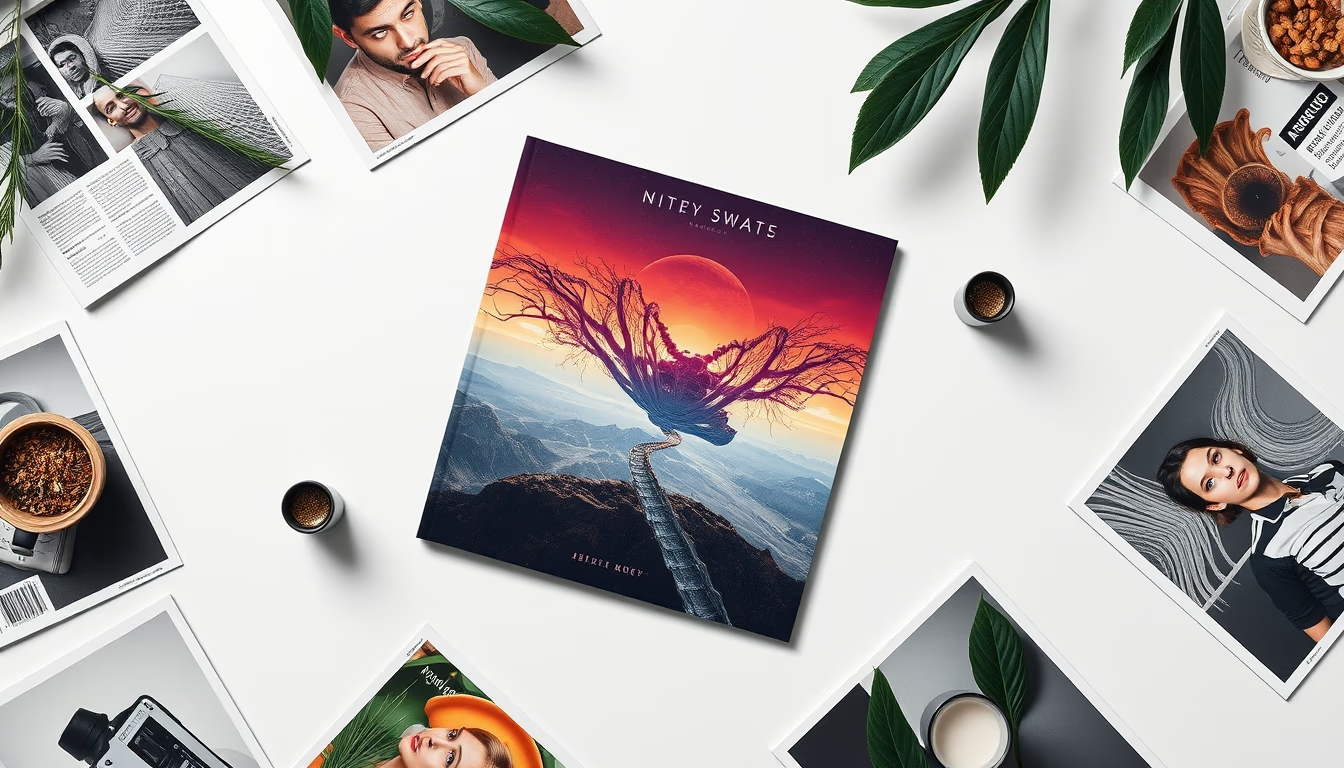
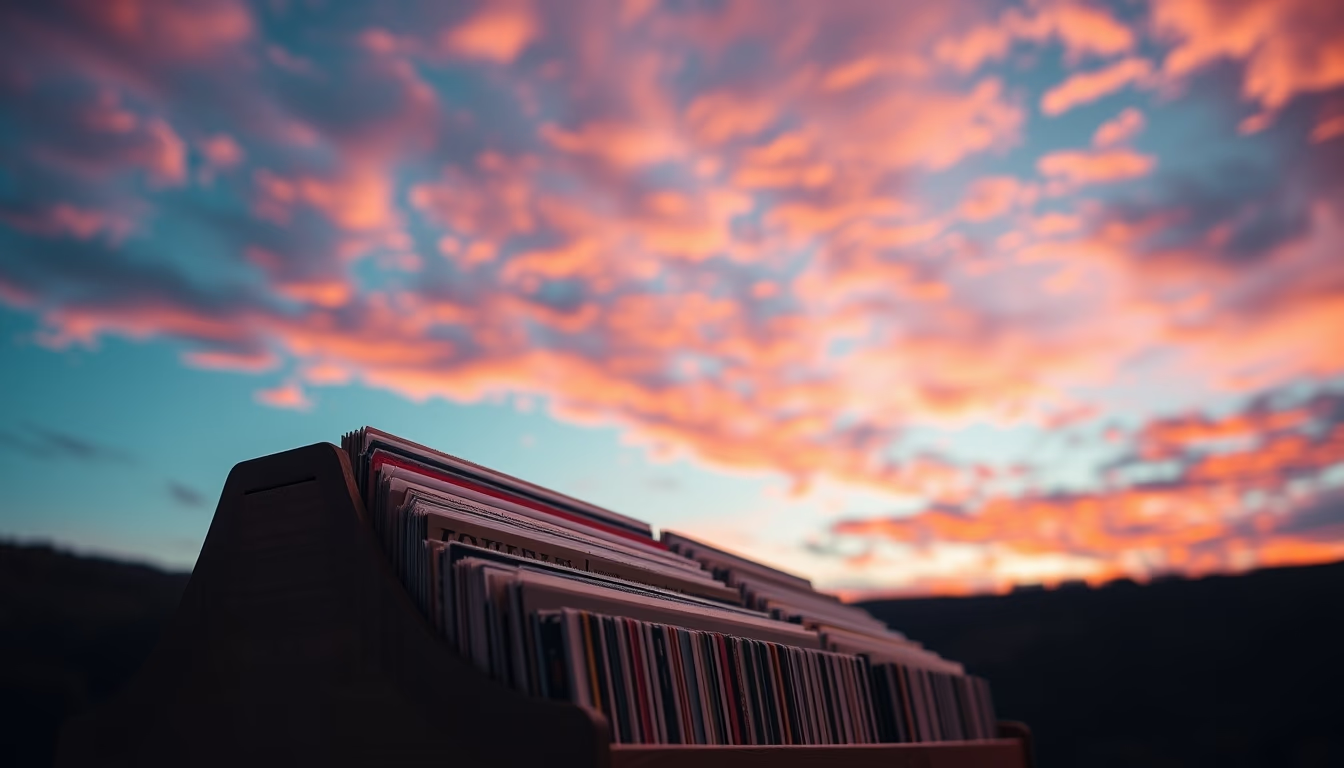
Album cover art display
1344×768 · AVIF · CC BY 4.0
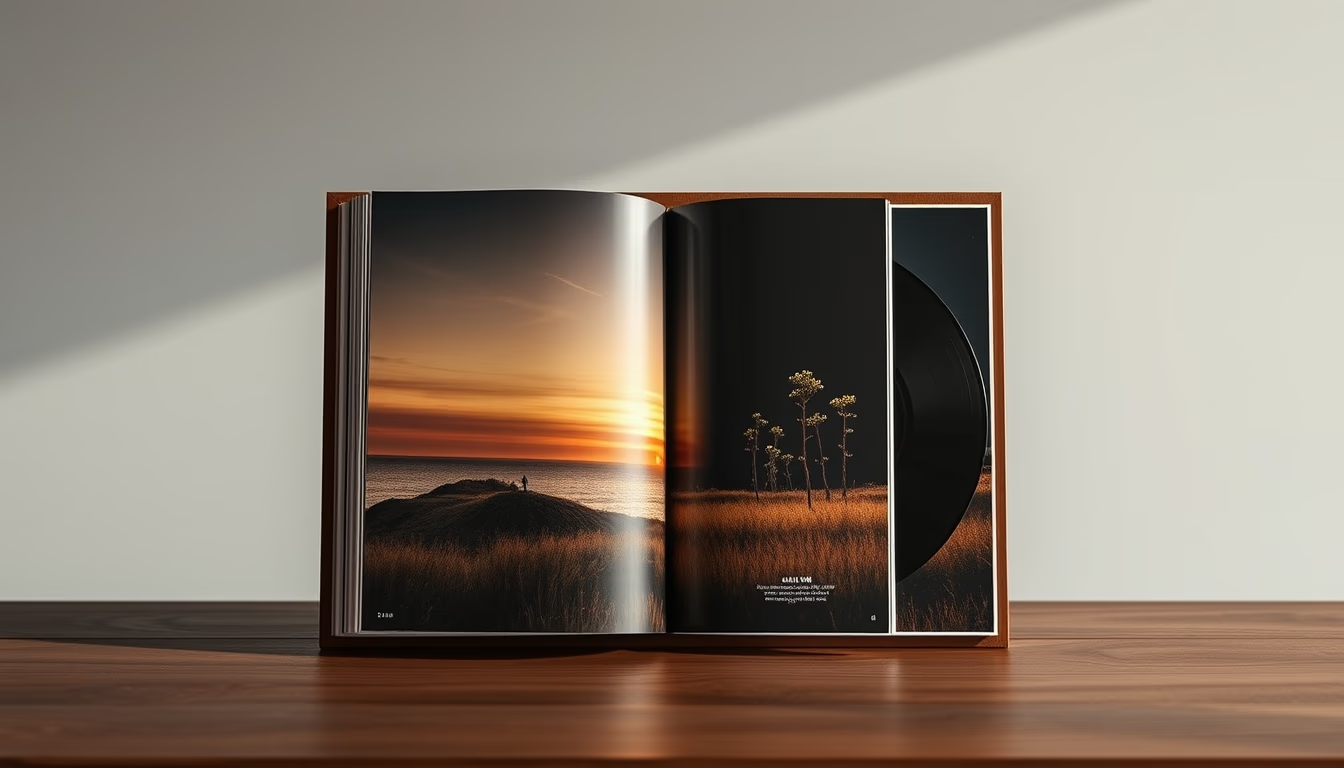
Album cover art displays reveal the intersection of music, graphic art, and pop culture, documenting decades of design.
About this subject
Album cover displays are far more than mere packaging for records; they represent an art form that has shaped the visual identity of popular music since the mid-20th century. These exhibitions, whether in museums, galleries, or specialty stores, offer a panorama of the evolution of graphic design, photography, and illustration. Works by artists like Andy Warhol (The Velvet Underground & Nico cover), Hipgnosis (Pink Floyd, Led Zeppelin), and Paula Scher (Bob Dylan, Boston) are often celebrated as cultural icons.
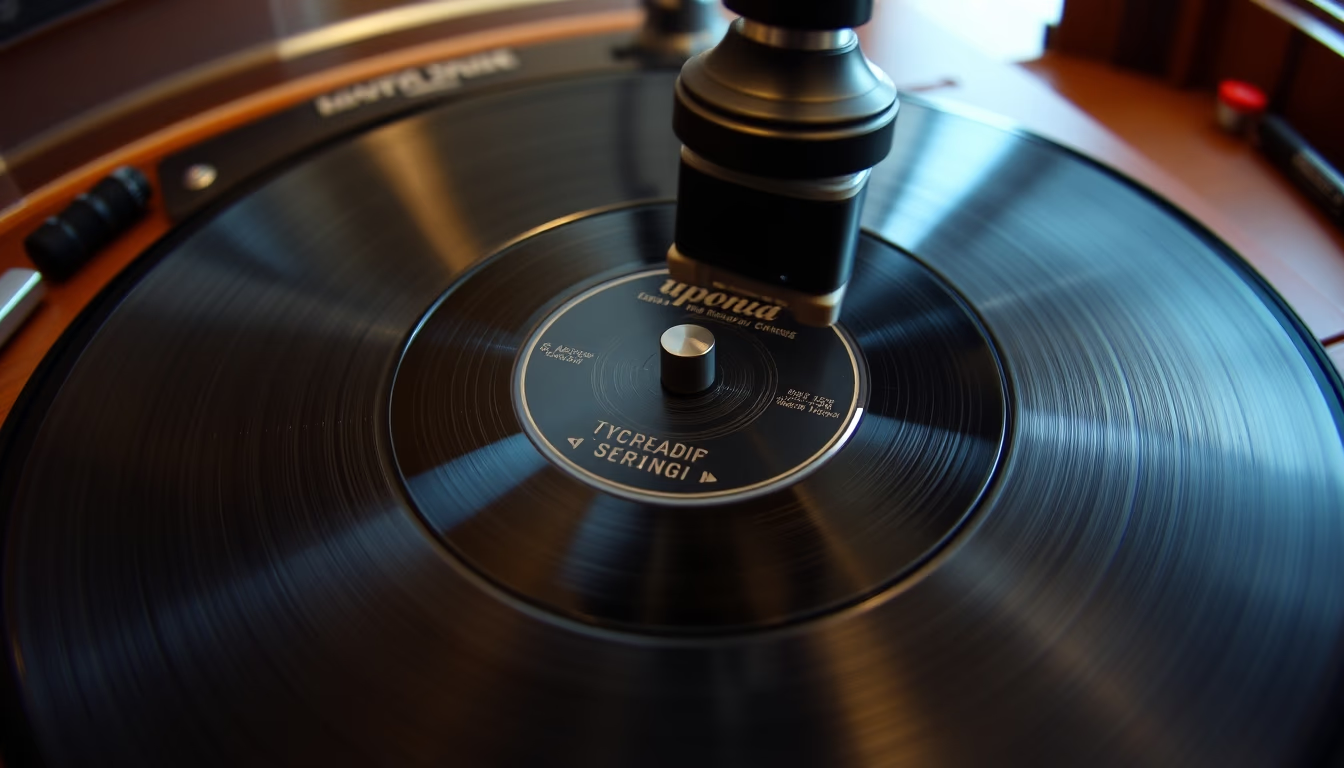
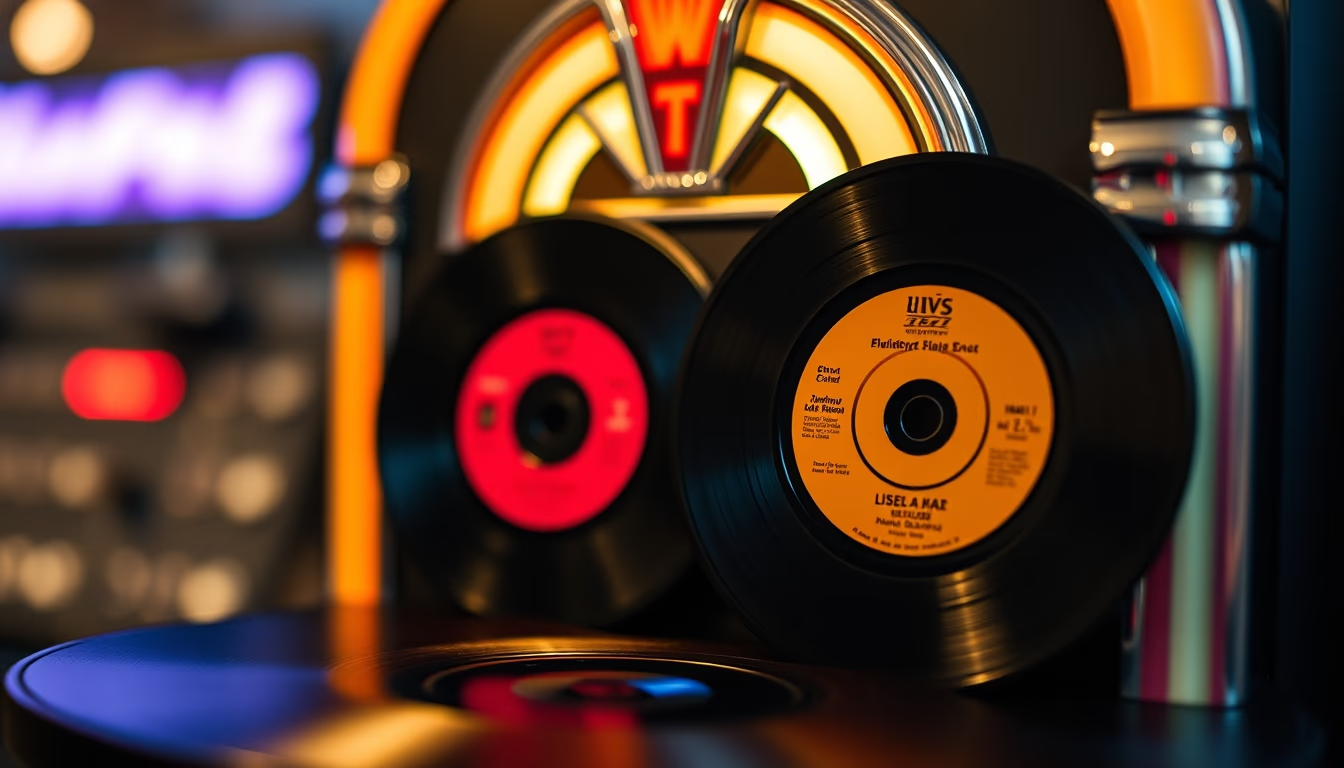
The peak of the album cover as an artistic medium occurred in the 1960s and 1970s, when vinyl reigned and the 12-inch square format allowed bold compositions. With the advent of CDs in the 1980s, covers shrank, but names like Peter Saville (Joy Division, New Order) maintained the innovative tradition. Today, streaming has reduced physical space, yet collections and special vinyl revival editions fuel thematic exhibitions and historical rescue.
A typical exhibition might group covers by genre, artistic movement, or designer. Psychedelic covers (Grateful Dead, Jefferson Airplane) contrast with punk minimalism (Sex Pistols, Ramones) or jazz sophistication (Blue Note Records). These shows also explore political and social influence, such as protest covers (Creedence Clearwater Revival) or regional contexts (Brazilian tropicalia).
Interestingly, many iconic covers were created on short notice or with minimal budgets, like Nirvana's "Nevermind" cover, which cost only US$ 500. Others, like the Beatles' "Sgt. Pepper's Lonely Hearts Club Band," involved months of planning and historical figures. Album cover displays also highlight controversies, such as censored covers (1969's "Blind Faith") or misinterpreted artworks, showing how visual art dialogues with music and society.
Frequently Asked Questions
What was the most expensive album cover ever produced?
The most expensive cover was for the Beatles' "Sgt. Pepper's Lonely Hearts Club Band," costing about 3,000 pounds in 1967 (over 50,000 pounds today). It involved costumes, sets, and image rights for dozens of celebrities.
How do album covers influence the perception of music?
Covers create a visual identity that can attract listeners, communicate the album's genre or theme, and become a cultural symbol. A striking cover helps sell the record and create instant recognition, like the Rolling Stones tongue.
Where can I see album cover exhibitions in Brazil?
Museums like the Museum of Image and Sound (SP/RJ) and temporary galleries, such as the "Album Cover" exhibition at Centro Cultural Banco do Brasil, often host displays. Vinyl record stores also have rotating exhibits.
Direct URL
https://pub-c7d6a6ea828543ac903a74a341ccb2e1.r2.dev/imagens/album-cover-art-display-documentary-nature-style-fresh11.avifHow to credit
Include a visible link back to UtilizAí. Copy one of the snippets below:
<a href="https://xn--utiliza-eza.com/en/midia/imagens/album-cover-art-display-documentary-nature-style-fresh11">Album cover art display</a> by <a href="https://xn--utiliza-eza.com">UtilizAí</a>, licensed under <a href="https://creativecommons.org/licenses/by/4.0/">CC BY 4.0</a>.
[Album cover art display](https://xn--utiliza-eza.com/en/midia/imagens/album-cover-art-display-documentary-nature-style-fresh11) by [UtilizAí](https://xn--utiliza-eza.com), CC BY 4.0
License: CC-BY-4.0