78 rpm shellac vintage
1344×768 · AVIF · CC BY 4.0
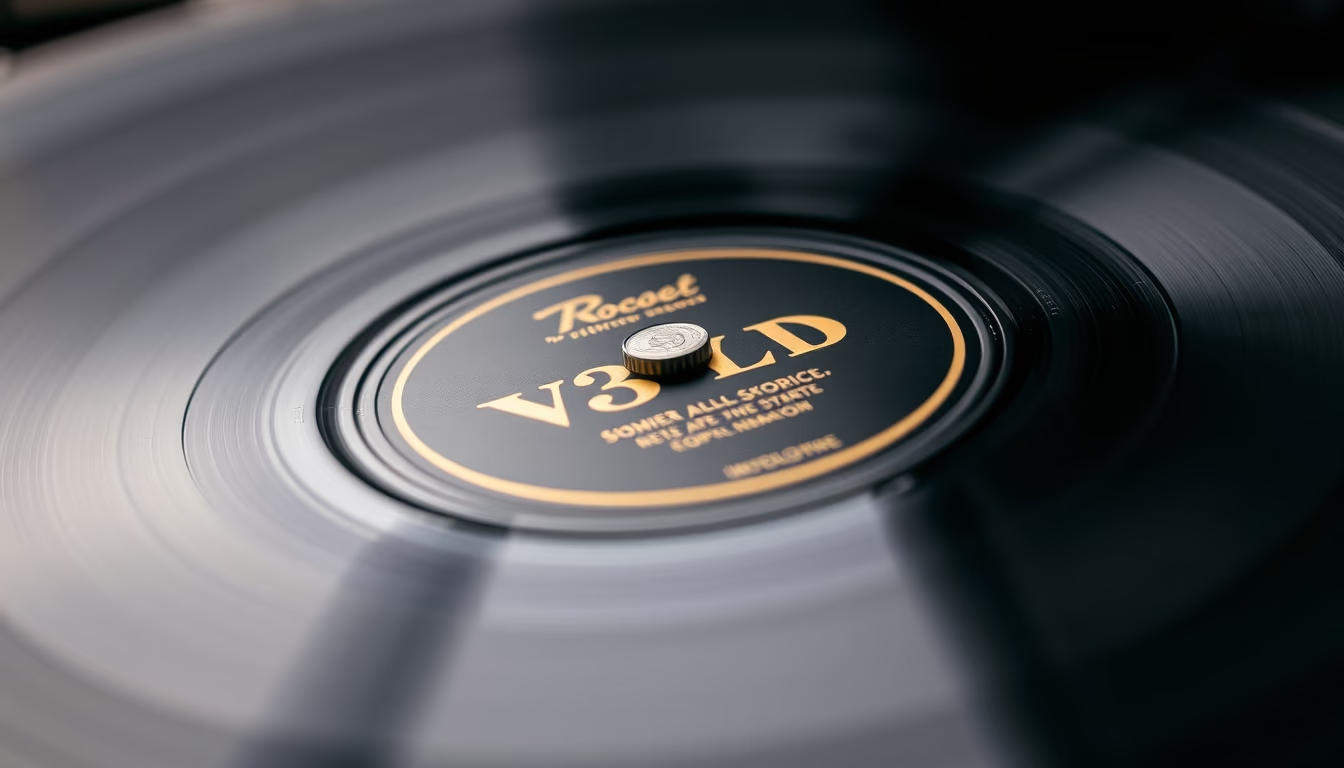
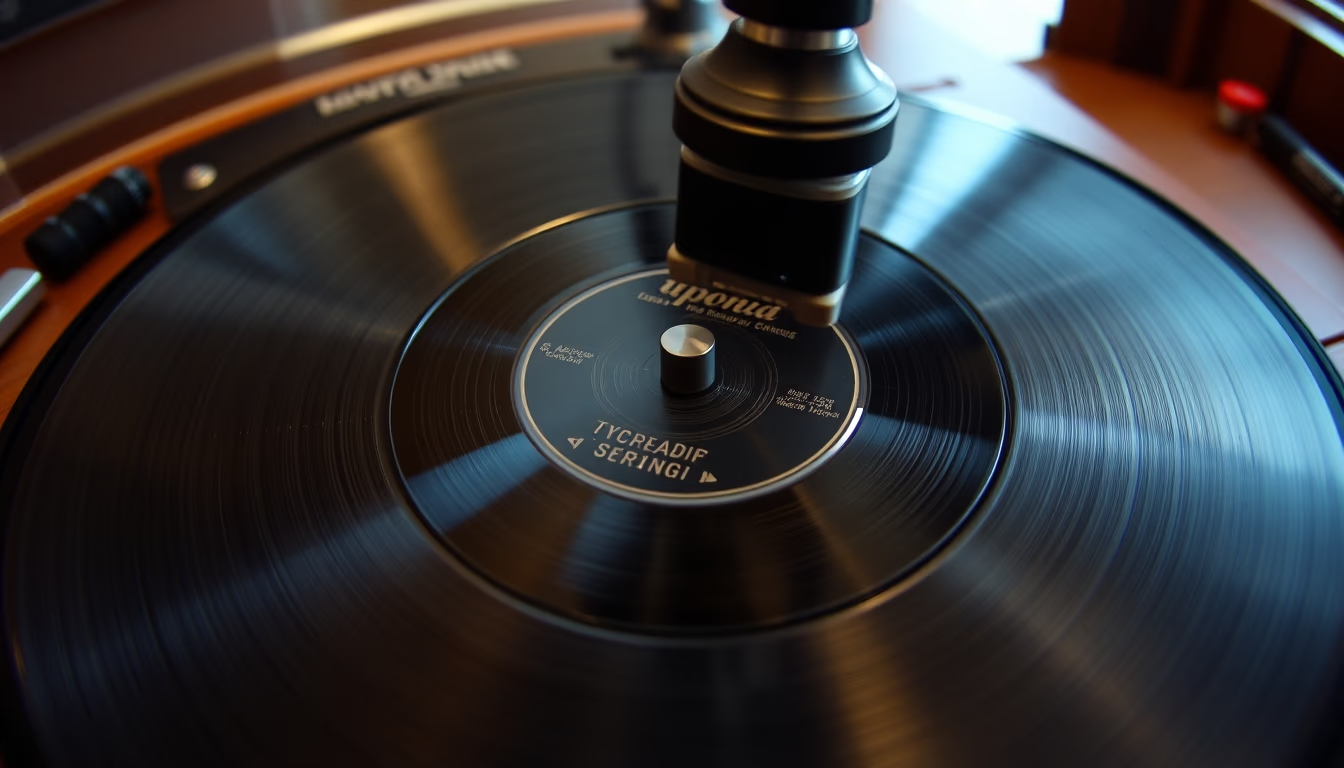
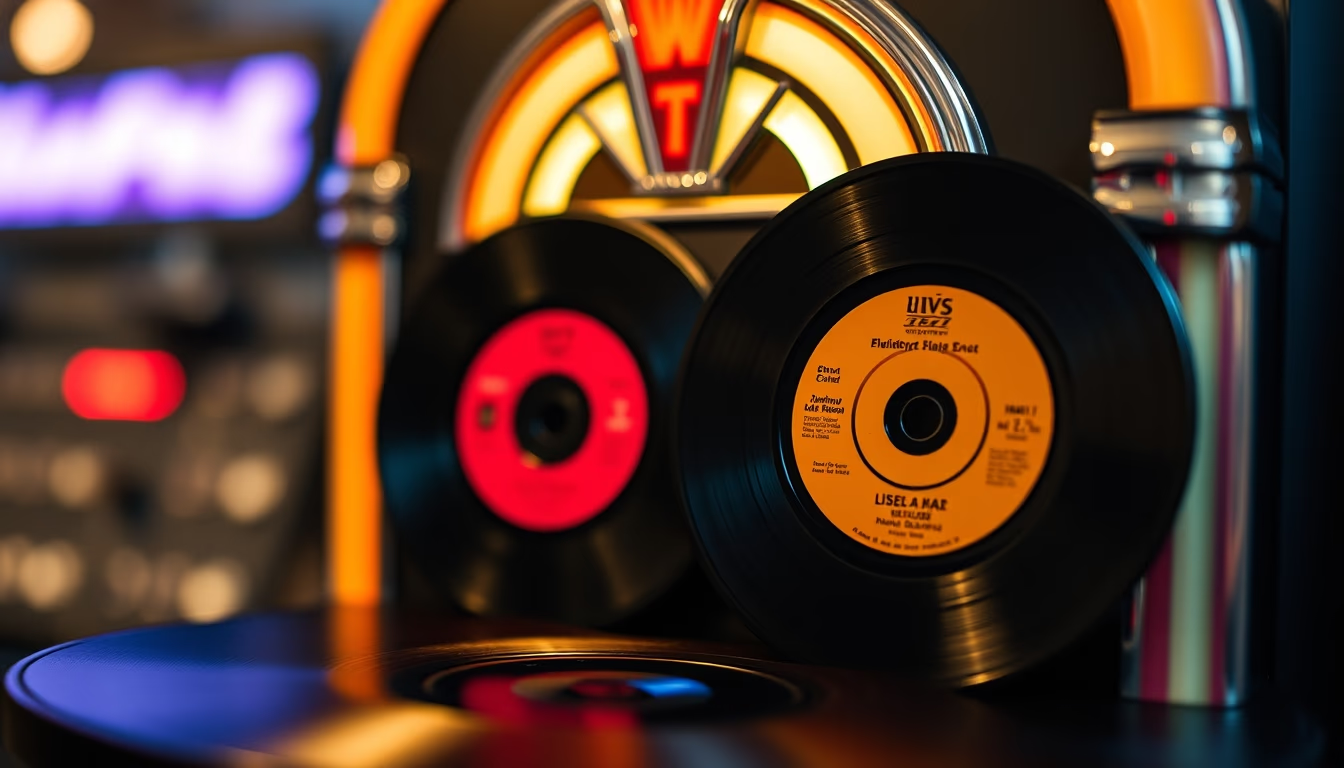
The 78 rpm shellac record defined the golden age of recorded music, from the early 20th century until the 1950s.
About this subject
The 78 rpm shellac record was the primary recorded music format from the early 1900s to the 1950s. Made from a compound of shellac (a natural resin secreted by insects), powdered stone, and other fillers, these discs were extremely brittle and could shatter on impact. The standard playback speed of 78 revolutions per minute allowed about 3 to 5 minutes per side, shaping the typical length of popular songs of that era.
Shellac records required steel or fiber needles that wore out quickly, producing a distinctive surface noise and limited frequency range. Despite technical constraints, they captured a vast musical heritage including jazz, blues, classical, opera, and early Brazilian genres like samba and choro. The format was a cultural phenomenon, with record players becoming household items.
The shift to vinyl in the late 1940s (33⅓ rpm LPs and 45 rpm singles) offered greater durability, better sound, and longer playing time. Nonetheless, 78 rpm records remain highly collectible. Historians and audiophiles value them for their historical significance, and many rare recordings have been digitized. The tactile experience of handling a heavy shellac disc and the warm, nostalgic sound are still appreciated by enthusiasts.
Today, playing a 78 rpm record requires a turntable with a specialized heavy-tracking cartridge, a 3-mil stylus, and equalization settings different from vinyl. Collectors often search for original pressings of popular artists like Al Jolson, the first jazz bands, or classical recordings. The fragility of shellac means that each surviving disc is a fragile window into the early days of sound recording.
Frequently Asked Questions
Why are 78 rpm records so fragile?
Because they are made of shellac mixed with mineral fillers, a rigid and brittle material unlike flexible vinyl. Any drop or impact can crack or shatter them.
What is the difference between a 78 rpm record and a vinyl LP?
A 78 rpm is made of shellac, plays at 78 rpm, holds up to 5 minutes per side, and has wider grooves. An LP is made of vinyl, plays at 33⅓ rpm, holds up to 30 minutes per side, and offers higher sound fidelity.
How can I play a 78 rpm record today?
You need a turntable with a 78 rpm speed setting, a specialized 3-mil stylus, and proper equalization. Many modern turntables do not include this speed.
Direct URL
https://pub-c7d6a6ea828543ac903a74a341ccb2e1.r2.dev/imagens/78-rpm-shellac-vintage-macro-closeup-fresh5.avifHow to credit
Include a visible link back to UtilizAí. Copy one of the snippets below:
<a href="https://xn--utiliza-eza.com/en/midia/imagens/78-rpm-shellac-vintage-macro-closeup-fresh5">78 rpm shellac vintage</a> by <a href="https://xn--utiliza-eza.com">UtilizAí</a>, licensed under <a href="https://creativecommons.org/licenses/by/4.0/">CC BY 4.0</a>.
[78 rpm shellac vintage](https://xn--utiliza-eza.com/en/midia/imagens/78-rpm-shellac-vintage-macro-closeup-fresh5) by [UtilizAí](https://xn--utiliza-eza.com), CC BY 4.0
License: CC-BY-4.0