Plane wood shaving
1344×768 · AVIF · CC BY 4.0
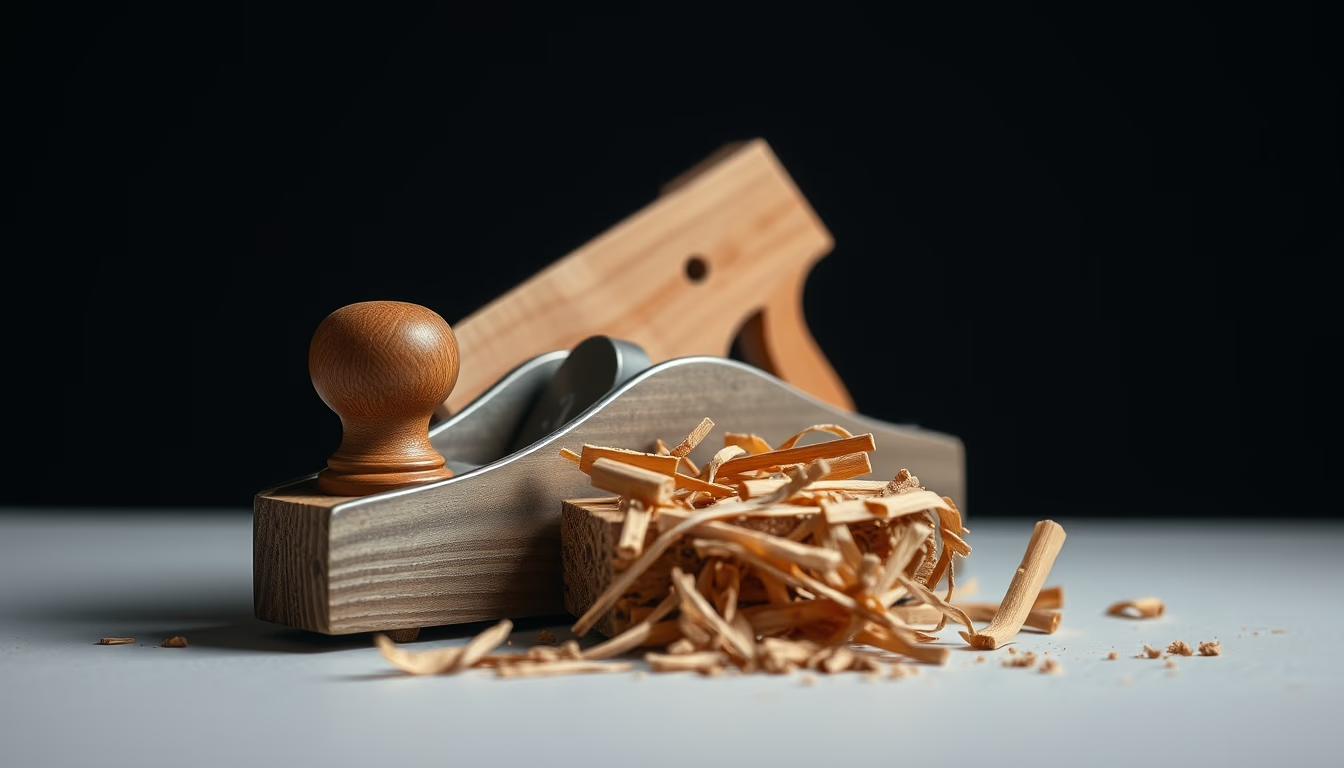
Plane wood shavings: residues from hand planing that reveal the craftsman's skill and the quality of the planed wood.
About this subject
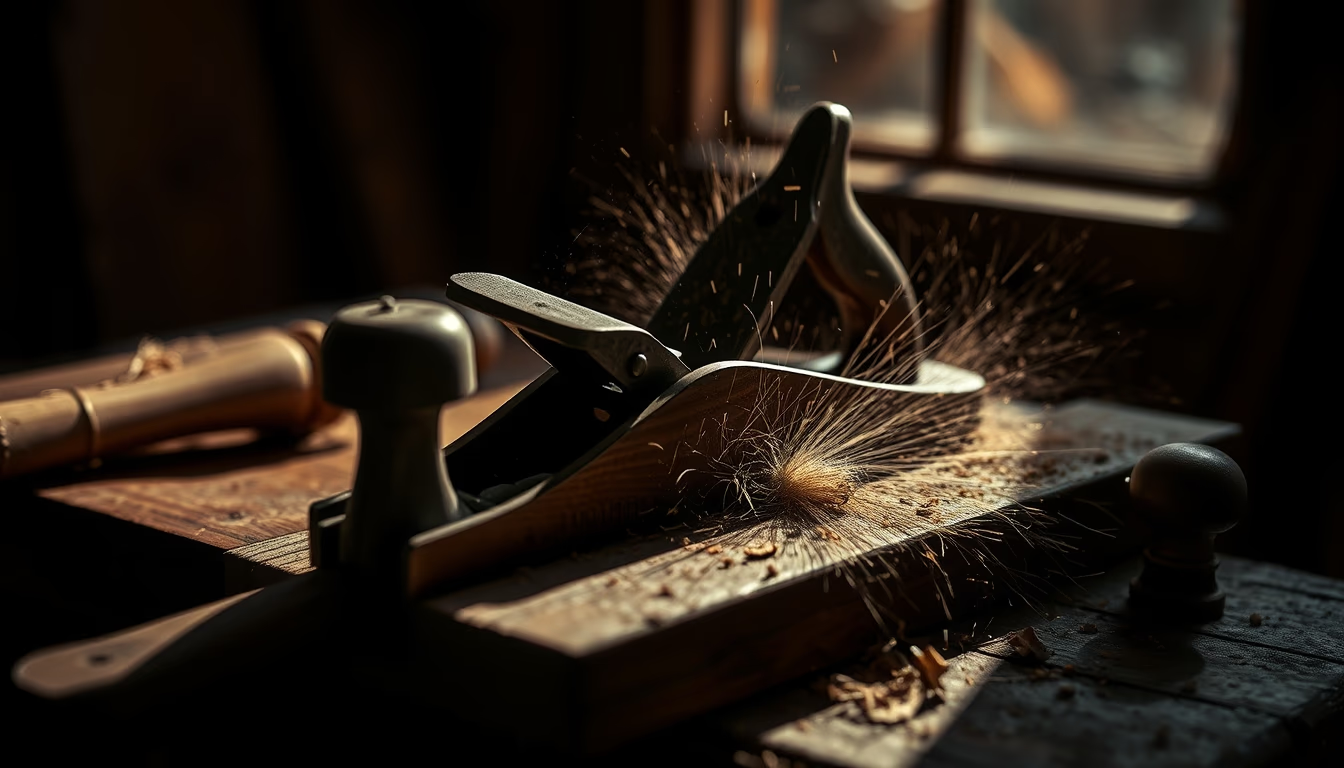
Plane wood shavings are the thin strips of wood removed by a hand plane, an essential tool in traditional woodworking used to smooth and dimension wooden surfaces. The plane consists of a body (metal or wood) with a sharp blade that cuts the surface, producing shavings whose thickness varies according to blade adjustment and applied pressure. Experienced woodworkers judge cut quality by the consistency and shape of the shavings: continuous, fine shavings indicate a sharp blade and skilled technique.
Historically, the hand plane was one of the first precision tools in woodworking, dating back to Roman times. In Brazil, influenced by Portuguese and German carpentry, the plane became a basic item in colonial workshops. Different plane types exist for specific tasks: the jack plane for rapid material removal, the smoothing plane for fine finishing, and the shoulder plane for joinery. Each type produces characteristic shavings in size and form.
The shavings themselves are often discarded but have secondary uses: as fire kindling, moisture absorbers in enclosed spaces, or in wood composite production. In still-life photography, plane shavings are valued for their textures and colors, especially from exotic woods like mahogany or rosewood. The presence of shavings in an image evokes manual craftsmanship and connection to pre-industrial techniques.
Interestingly, the word 'plane' comes from Latin 'plana', meaning 'flat'. The plane blade is usually made of hardened steel, and maintaining its edge is crucial; a woodworker may spend hours sharpening to achieve the perfect shaving. In traditional workshops, the sound of the plane and the smell of fresh-cut wood are hallmarks of the trade.
Frequently Asked Questions
What is the purpose of plane wood shavings in woodworking?
Shavings are waste from planing, but they indicate cut quality. Fine, continuous shavings show a sharp blade and precise technique.
What are the most common types of hand planes?
The main types are the jack plane (for rapid stock removal), smoothing plane (for fine finishing), and shoulder plane (for joinery details).
Can plane shavings be reused?
Yes, they are used as fire kindling, moisture absorbers in enclosed spaces, as filler in crafts, or in wood composite production.
Direct URL
https://pub-c7d6a6ea828543ac903a74a341ccb2e1.r2.dev/imagens/plane-wood-shaving-studio-still-life-fresh12.avifHow to credit
Include a visible link back to UtilizAí. Copy one of the snippets below:
<a href="https://xn--utiliza-eza.com/en/midia/imagens/plane-wood-shaving-studio-still-life-fresh12">Plane wood shaving</a> by <a href="https://xn--utiliza-eza.com">UtilizAí</a>, licensed under <a href="https://creativecommons.org/licenses/by/4.0/">CC BY 4.0</a>.
[Plane wood shaving](https://xn--utiliza-eza.com/en/midia/imagens/plane-wood-shaving-studio-still-life-fresh12) by [UtilizAí](https://xn--utiliza-eza.com), CC BY 4.0
License: CC-BY-4.0