Pilates reformer studio
1344×768 · AVIF · CC BY 4.0
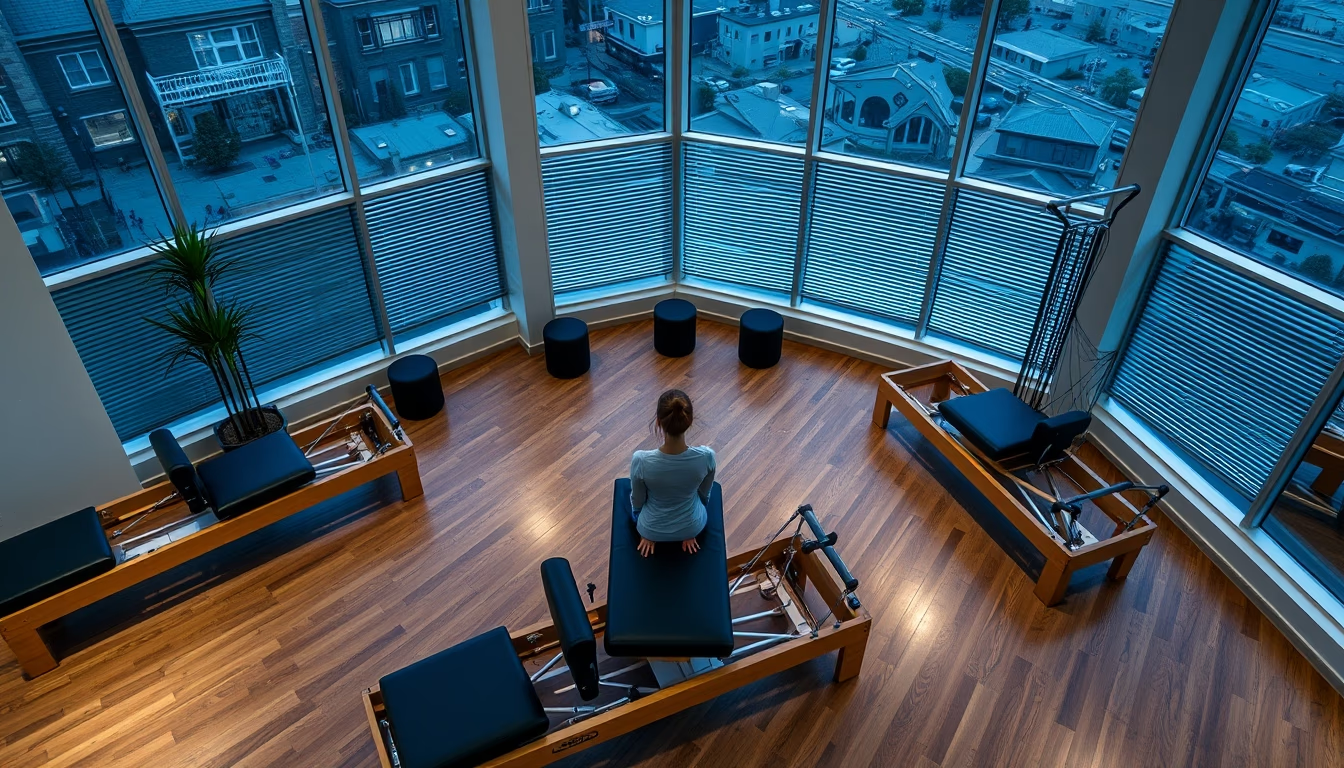
A Pilates reformer studio with modern equipment, seen in an aerial drone shot. Learn about the method's benefits and the apparatus history.
About this subject
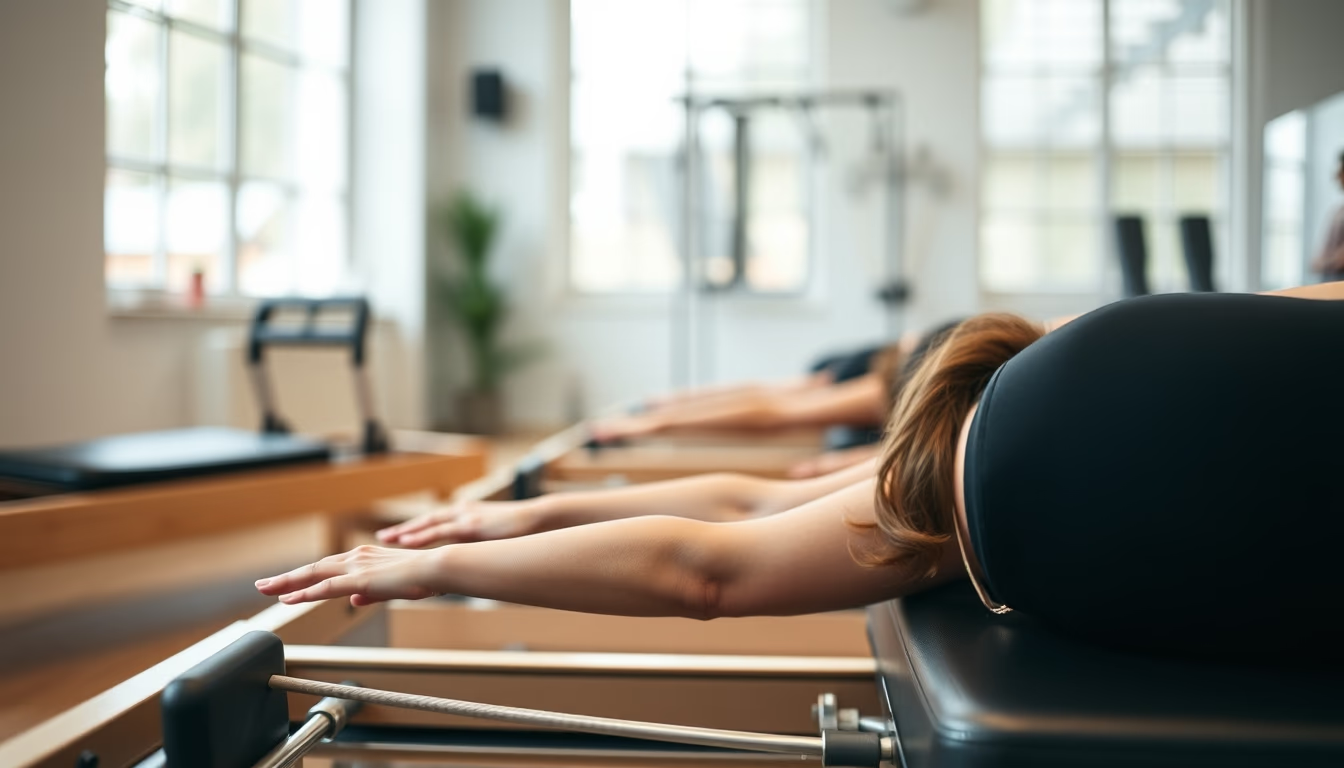
The Pilates reformer is one of the most iconic pieces of equipment in the method created by Joseph Pilates in the 1920s. Originally called the "Universal Reformer," the apparatus consists of a sliding carriage with springs, cables, and pulleys that provide adjustable resistance. Unlike mat Pilates, the reformer allows the body to work through different planes of motion, offering stretching, strengthening, and muscle stabilization in an integrated manner.
In Brazil, Pilates reformer gained significant popularity in the 2000s, especially in major cities like São Paulo and Rio de Janeiro. Dedicated studios offer group or private sessions with certified instructors. The practice is recommended for physical rehabilitation, posture improvement, and athletic conditioning. Athletes and dancers frequently use the reformer to prevent injuries and enhance performance.
The equipment features over 100 possible exercises, ranging from basic to advanced moves that engage deep core muscles. The springs, available in different resistances, allow safe progression of load. Besides the reformer, studios often offer other apparatus such as the Cadillac (Trapeze Table), the Chair (Wunda Chair), and the Ladder Barrel, all originally designed by Joseph Pilates.
A notable fact about the method is that it was initially used by prisoners of war and dancers during World War I. Joseph Pilates attached springs to hospital beds so that bedridden patients could exercise, which inspired the modern reformer concept. Today, the practice is widespread globally, with adaptations for different populations, including pregnant women and the elderly.
Frequently Asked Questions
Is Pilates reformer suitable for beginners?
Yes. The apparatus offers adjustable resistance, allowing beginners to perform exercises safely. A qualified instructor can adapt movements to each student's level.
How many times a week should I do Pilates reformer?
The recommended frequency is 2 to 3 sessions per week for consistent results. Frequency may vary based on goals, such as rehabilitation or athletic conditioning.
What is the difference between Pilates reformer and mat Pilates?
The reformer uses springs and cables to provide resistance, while mat Pilates relies on body weight and props. The reformer offers a wider range of exercises and controlled load progression.
Direct URL
https://pub-c7d6a6ea828543ac903a74a341ccb2e1.r2.dev/imagens/pilates-reformer-studio-aerial-drone-shot-p5.avifHow to credit
Include a visible link back to UtilizAí. Copy one of the snippets below:
<a href="https://xn--utiliza-eza.com/en/midia/imagens/pilates-reformer-studio-aerial-drone-shot-p5">Pilates reformer studio</a> by <a href="https://xn--utiliza-eza.com">UtilizAí</a>, licensed under <a href="https://creativecommons.org/licenses/by/4.0/">CC BY 4.0</a>.
[Pilates reformer studio](https://xn--utiliza-eza.com/en/midia/imagens/pilates-reformer-studio-aerial-drone-shot-p5) by [UtilizAí](https://xn--utiliza-eza.com), CC BY 4.0
License: CC-BY-4.0