Open plan office modern
1344×768 · AVIF · CC BY 4.0
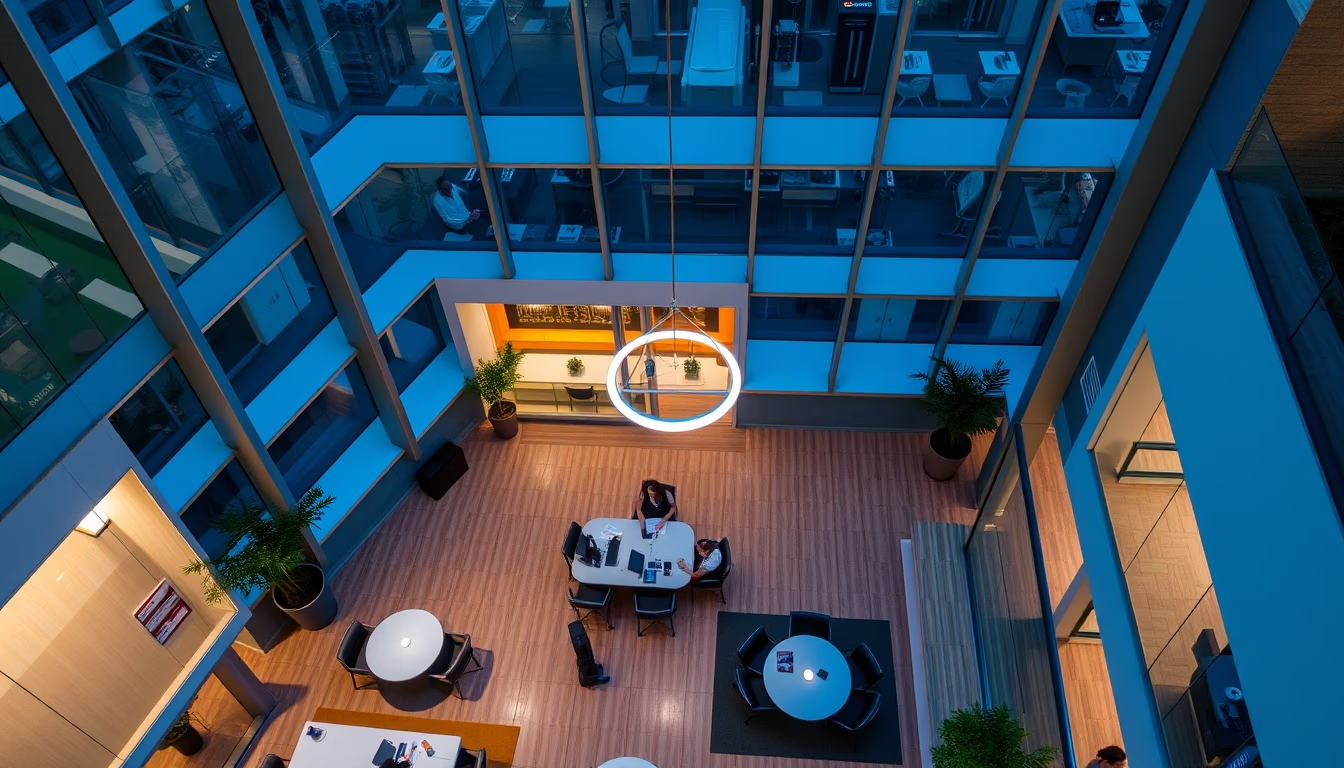
Open plan offices modernos revolucionam a disposição do espaço de trabalho corporativo, priorizando colaboração e flexibilidade sobre hierarquias tradicionais.
Sobre o tema
O conceito de open plan office, ou escritório de plano aberto, tornou-se predominante a partir dos anos 2000, inspirado por empresas de tecnologia do Vale do Silício. Essa configuração elimina paredes e cubículos, criando um ambiente contínuo onde equipes podem interagir livremente. Estudos indicam que a disposição pode aumentar a comunicação em até 20%, mas também levanta desafios como falta de privacidade e ruído excessivo. Segundo uma pesquisa da Harvard Business Review, 73% dos funcionários em open space relatam dificuldade de concentração em tarefas que exigem foco intenso.
A ergonomia e o design desempenham papéis cruciais na eficácia desses ambientes. Móveis modulares, zonas de silêncio e cabines acústicas são soluções comuns para mitigar problemas. Em 2023, o conceito evoluiu para o "activity-based working" (trabalho baseado em atividades), onde o layout oferece diferentes zonas para concentração, colaboração e socialização. Empresas como Google e Microsoft adotaram variações híbridas, combinando áreas abertas com espaços fechados.
No Brasil, a adoção de open plan offices cresceu principalmente em startups e setores de tecnologia, mas enfrenta resistência em áreas tradicionais como direito e finanças. A legislação trabalhista brasileira exige atenção a normas de ergonomia, como a NR-17, que recomenda limites de ruído e pausas para descanso. Dados do IBGE de 2022 mostram que 34% dos trabalhadores formais no país operam em ambientes de plano aberto, número que deve aumentar com a tendência de escritórios flexíveis pós-pandemia.
Perguntas frequentes
Quais são as principais vantagens de um open plan office?
As vantagens incluem maior comunicação entre equipes, flexibilidade de layout, redução de custos com construção e manutenção, e sensação de igualdade entre funcionários. Ambientes abertos também facilitam a supervisão e a colaboração espontânea.
Quais os principais desafios desse modelo de escritório?
Os desafios mais comuns são ruído excessivo, falta de privacidade, dificuldade de concentração, propagação de doenças e estresse. Estudos mostram que a insatisfação com o ruído é a principal reclamação, afetando a produtividade.
Como o open plan office evoluiu após a pandemia de COVID-19?
Após a pandemia, muitas empresas adotaram modelos híbridos, combinando trabalho remoto com escritórios flexíveis. O design inclui mais zonas de trabalho silencioso, estações de limpeza frequentes e sistemas de ventilação melhorados para garantir segurança sanitária.
URL direta
https://pub-c7d6a6ea828543ac903a74a341ccb2e1.r2.dev/imagens/open-plan-office-modern-aerial-drone-shot-p2.avifComo creditar
Inclua um link visível de volta pro UtilizAí. Copie um dos snippets abaixo:
<a href="https://xn--utiliza-eza.com/midia/imagens/open-plan-office-modern-aerial-drone-shot-p2">Open plan office modern</a> by <a href="https://xn--utiliza-eza.com">UtilizAí</a>, licensed under <a href="https://creativecommons.org/licenses/by/4.0/">CC BY 4.0</a>.
[Open plan office modern](https://xn--utiliza-eza.com/midia/imagens/open-plan-office-modern-aerial-drone-shot-p2) by [UtilizAí](https://xn--utiliza-eza.com), CC BY 4.0
Licença: CC-BY-4.0