Meeting room glass
1344×768 · AVIF · CC BY 4.0
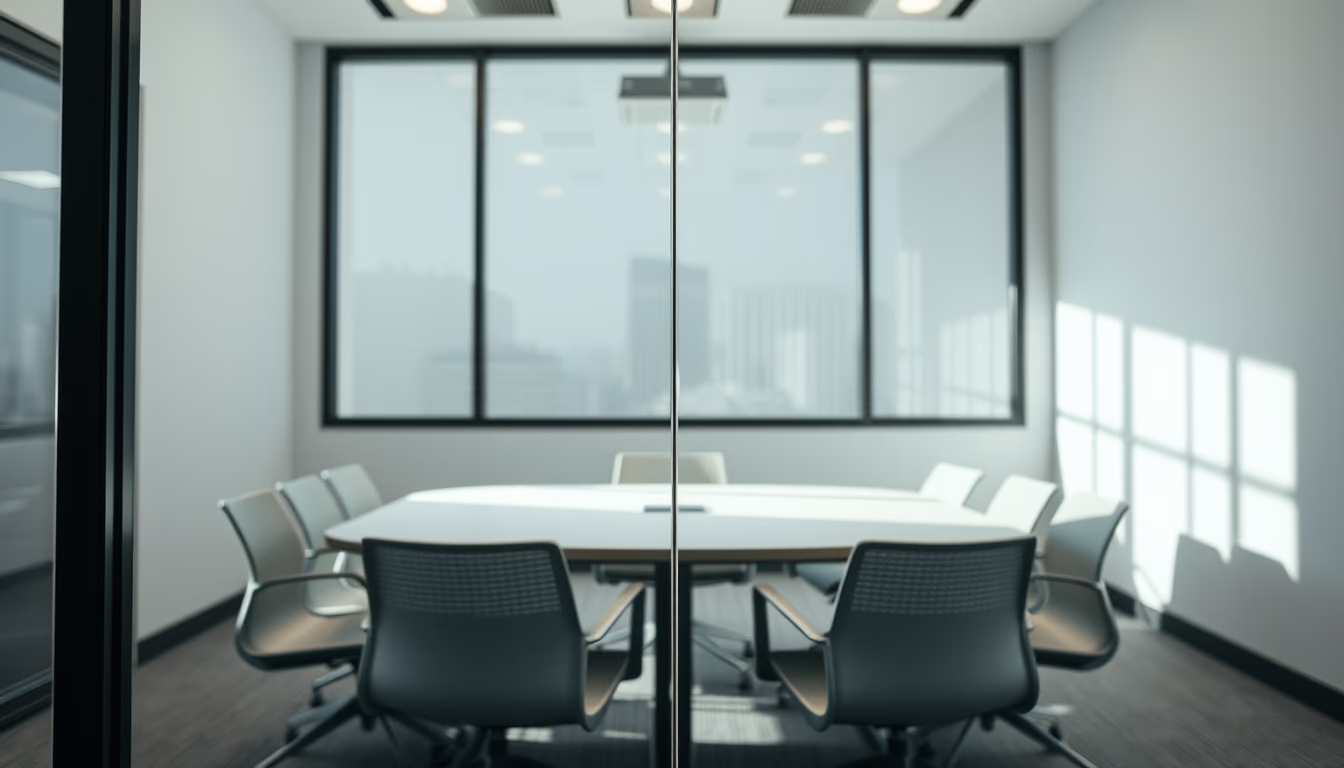
Meeting rooms with glass walls are a trend in modern offices, promoting transparency and visual collaboration.
About this subject
Glass-walled meeting rooms have become a staple in contemporary corporate design, especially after the widespread adoption of open-plan layouts. The transparency offered by glass not only enhances the sense of space but also reinforces values such as openness and horizontal communication among teams. Tech giants like Google and Meta pioneered the extensive use of glass in their offices, influencing the global market.
However, acoustics are a critical challenge. Solutions such as laminated glass with acoustic interlayers and airtight door seals are employed to ensure sound privacy, essential for confidential discussions. Studies show that visual privacy can also be managed with electrochromic glass or adhesive films, allowing adjustments as needed.
From an ergonomic standpoint, these rooms favor natural lighting, reducing energy consumption and improving employee well-being. Brazilian standard NBR 5413 sets minimum illuminance requirements, and glass helps achieve them without sole reliance on artificial light. Maintenance is easier, but installation costs are higher due to the need for tempered glass and support structures.
In Brazil, the use has grown over the past five years, especially in innovation hubs in São Paulo and Belo Horizonte. The trend reflects a cultural shift: meetings are no longer closed events but become moments of visibility and integration. Despite the benefits, balance is needed, as excessive transparency can cause discomfort and distractions. Therefore, many companies combine glass with blackout curtains or motorized blinds.
Frequently Asked Questions
What are the main advantages of a glass meeting room?
The main advantages include a greater sense of spaciousness, natural light utilization, promotion of corporate transparency, and visual integration among teams. It also facilitates supervision and reduces the feeling of confinement.
How is sound privacy ensured in glass rooms?
Laminated glass with acoustic interlayers, double-sealed doors, and sometimes additional panels are used. The choice of glass (thickness and composition) is crucial to meet desired sound insulation levels.
Are these rooms common in Brazil?
Yes, they have become increasingly common, especially in modern offices in large urban centers like São Paulo and Belo Horizonte. The trend follows the global movement toward more open and collaborative workspaces.
Direct URL
https://pub-c7d6a6ea828543ac903a74a341ccb2e1.r2.dev/imagens/meeting-room-glass-magazine-editorial-p3.avifHow to credit
Include a visible link back to UtilizAí. Copy one of the snippets below:
<a href="https://xn--utiliza-eza.com/en/midia/imagens/meeting-room-glass-magazine-editorial-p3">Meeting room glass</a> by <a href="https://xn--utiliza-eza.com">UtilizAí</a>, licensed under <a href="https://creativecommons.org/licenses/by/4.0/">CC BY 4.0</a>.
[Meeting room glass](https://xn--utiliza-eza.com/en/midia/imagens/meeting-room-glass-magazine-editorial-p3) by [UtilizAí](https://xn--utiliza-eza.com), CC BY 4.0
License: CC-BY-4.0