Level wooden brass
1344×768 · AVIF · CC BY 4.0

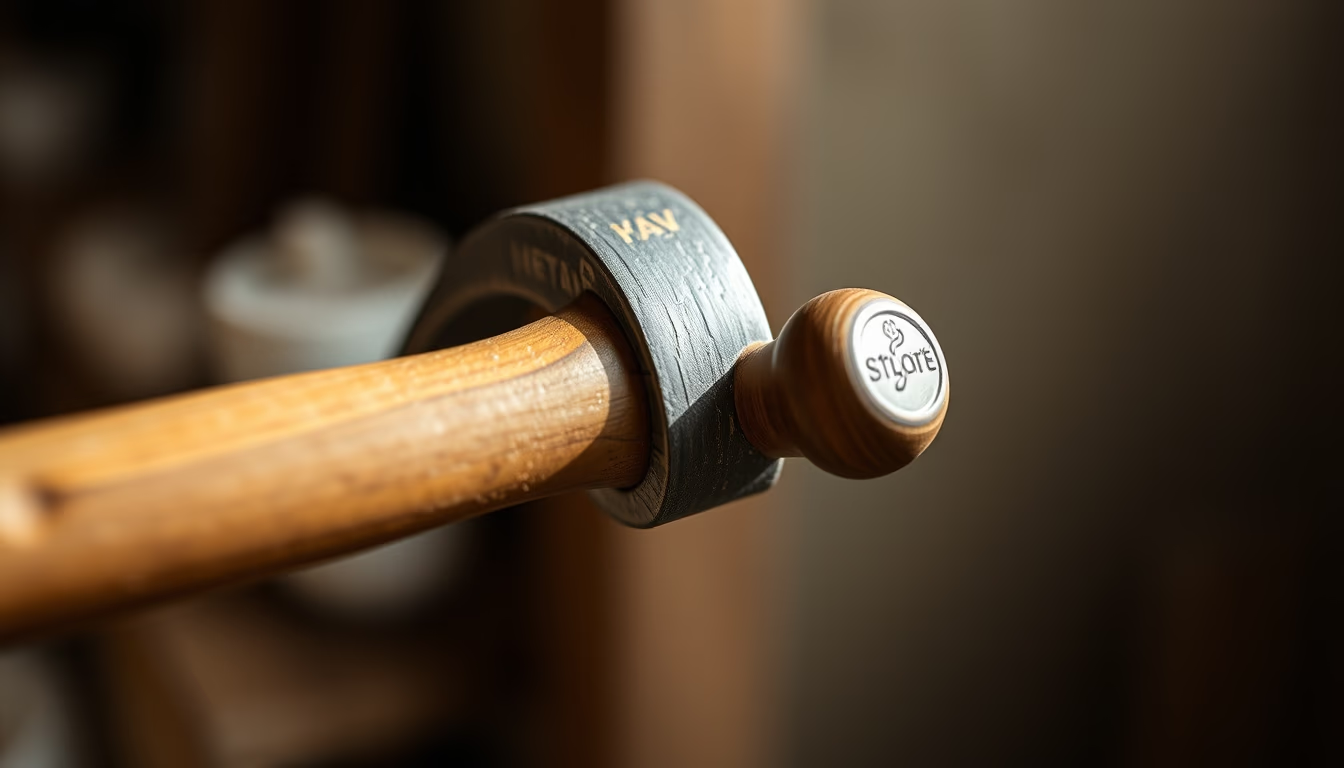
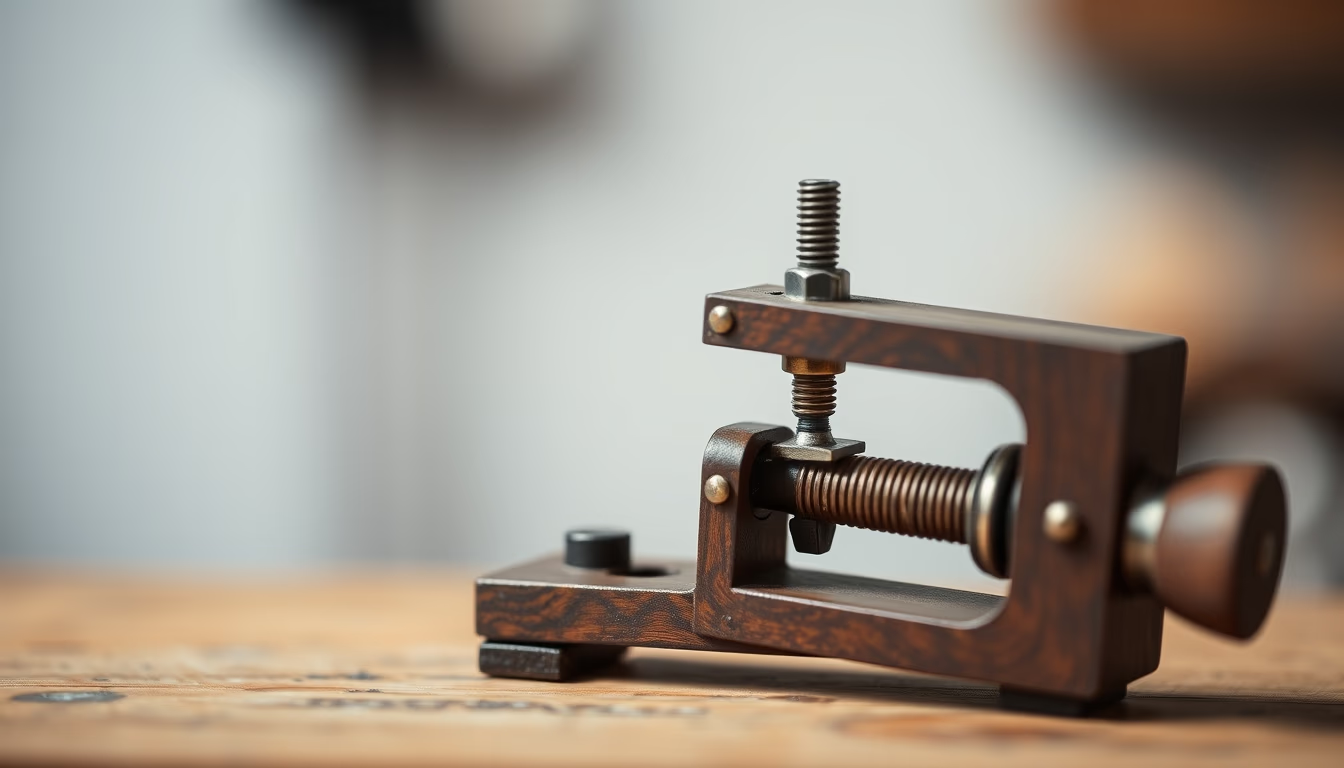
Wooden brass level: a measuring tool used by carpenters and builders from the 19th century to the mid-20th century.
About this subject
The wooden brass level is a measuring instrument that peaked between the 19th century and the first half of the 20th century. Unlike modern aluminum or plastic levels, these were handcrafted, often by specialized woodworkers. The wood used was typically mahogany, oak, or rosewood, chosen for dimensional stability. The ends and body were reinforced with brass, a corrosion-resistant material that ensured durability and accuracy.
Its main function is to determine whether a surface is perfectly horizontal (level) or vertical (plumb). In the wooden brass model, glass vials were protected by brass frames screwed into the wood. Each vial contained a liquid (alcohol or oil) with an air bubble. When the bubble centered between the marks, the surface was level. These levels were essential tools in historic construction, such as churches, bridges, and Brazilian colonial mansions.
Interestingly, the accuracy of these levels depended on the maker's skill in machining the wooden base perfectly straight. Over time, wood could warp due to humidity, requiring recalibration. That is why many antique levels have adjusting screws in the brass. Today, they are collector's items, valued for their aesthetics and history. In Brazil, specimens from the imperial period are found in antique shops and fairs, especially in regions with strong woodworking traditions like Minas Gerais and Rio de Janeiro.
The design of the wooden brass level reflects an era where tools were built to last. The combination of noble materials and hand finish conveys a sense of craftsmanship that contrasts with modern mass production. For antique tool enthusiasts, each piece tells a story of construction and precision from a pre-digital age.
Frequently Asked Questions
How did a wooden brass level work?
It used glass vials containing a liquid and an air bubble. When the bubble was centered between the marks, the surface was level or plumb.
Why was brass used in these levels?
Brass is corrosion-resistant and durable, protecting the vials and maintaining accuracy even in humid environments. It also allowed for adjustment screws.
Where can you find wooden brass levels today?
They are found in antique shops, flea markets, and online auctions. In Brazil, specimens appear in regions like Minas Gerais and Rio de Janeiro, where historic carpentry was strong.
Direct URL
https://pub-c7d6a6ea828543ac903a74a341ccb2e1.r2.dev/imagens/level-wooden-brass-cinematic-wide-shot-fresh17.avifHow to credit
Include a visible link back to UtilizAí. Copy one of the snippets below:
<a href="https://xn--utiliza-eza.com/en/midia/imagens/level-wooden-brass-cinematic-wide-shot-fresh17">Level wooden brass</a> by <a href="https://xn--utiliza-eza.com">UtilizAí</a>, licensed under <a href="https://creativecommons.org/licenses/by/4.0/">CC BY 4.0</a>.
[Level wooden brass](https://xn--utiliza-eza.com/en/midia/imagens/level-wooden-brass-cinematic-wide-shot-fresh17) by [UtilizAí](https://xn--utiliza-eza.com), CC BY 4.0
License: CC-BY-4.0