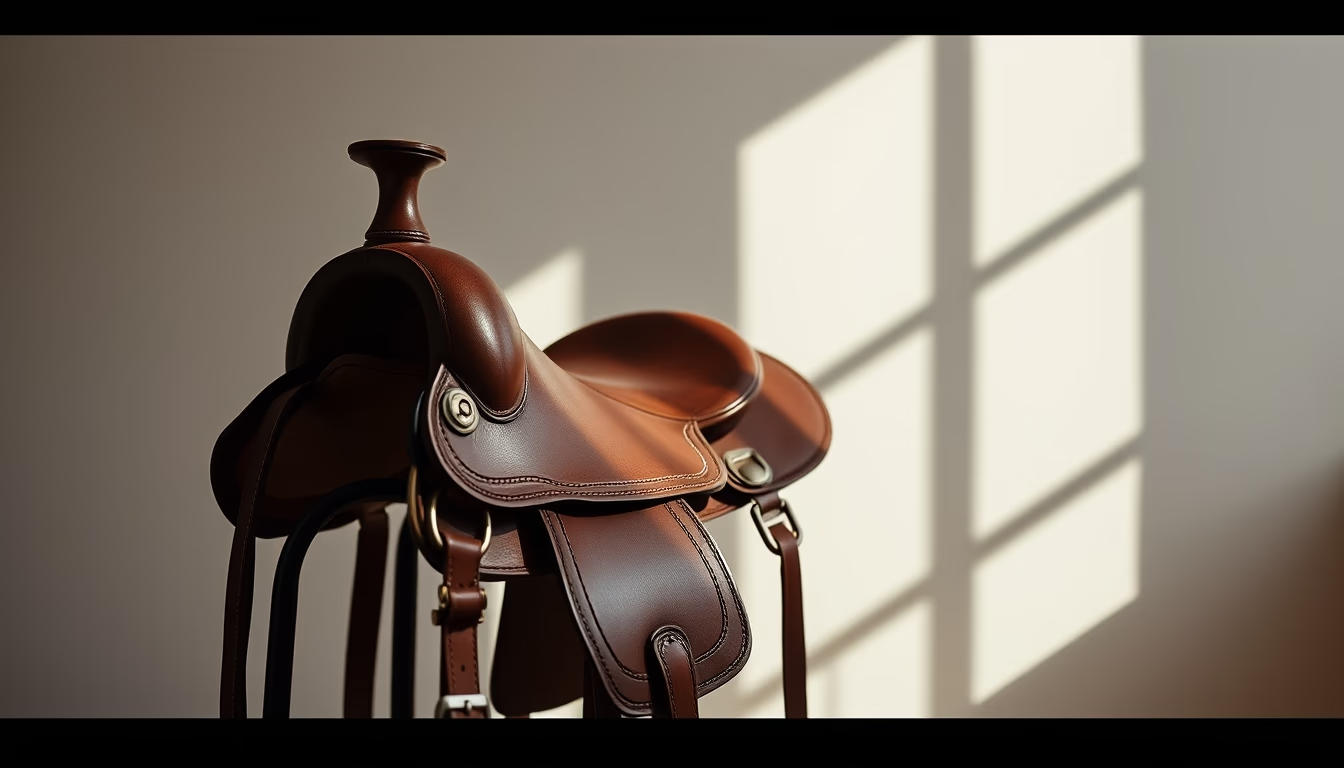
Horse bridle reins
1344×768 · AVIF · CC BY 4.0
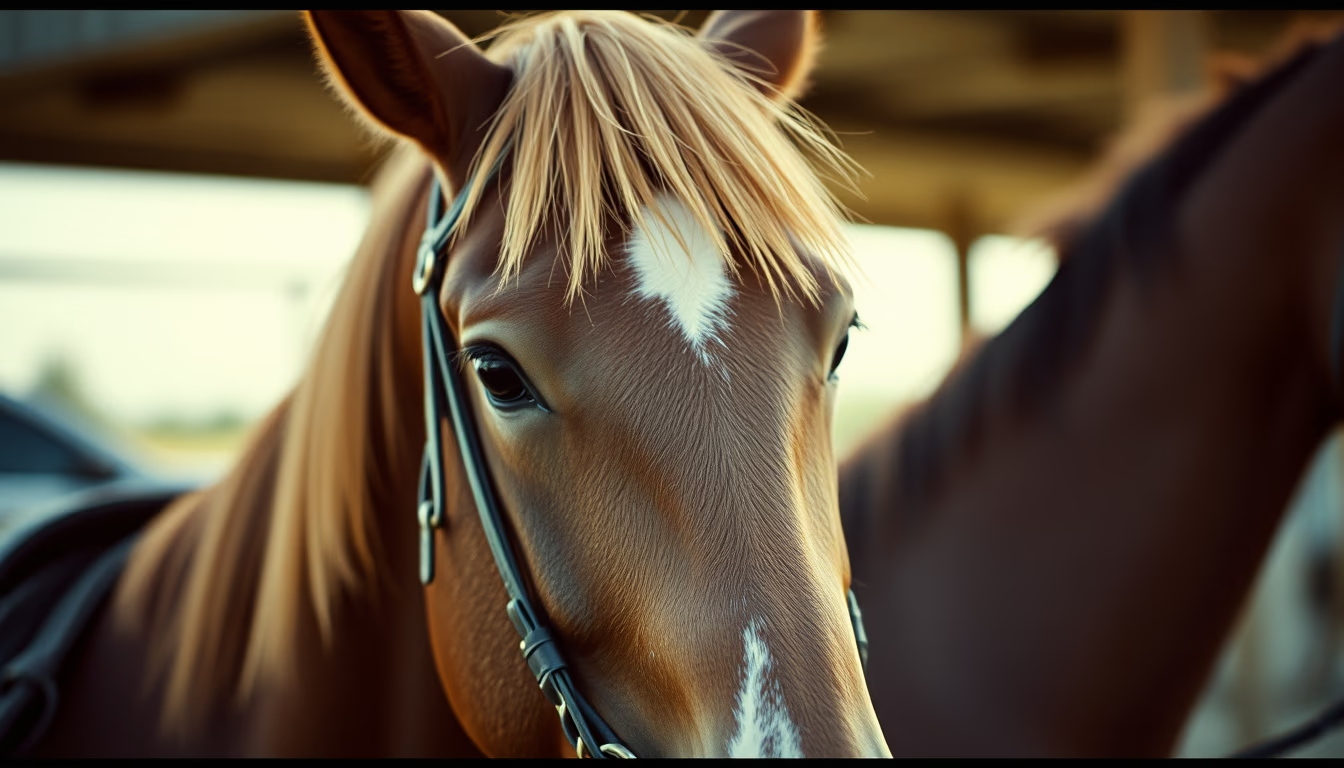
Bridle reins are essential components in rider-horse communication, enabling precise commands during riding.
About this subject
Bridle reins, also known as headstall reins, are straps made of leather, nylon, or other materials that connect the bridle's bit to the rider's hands. They are one of the primary means of control and direction for the horse, transmitting subtle pressure and release signals. Traditional manufacturing uses hand-stitched, vegetable-tanned leather, with standardized thickness and length (typically between 1.2 and 1.5 meters).
Historically, the use of reins dates back to horse domestication around 5,000 years ago in the steppes of Central Asia. However, the modern bridle with its hinged bit and cheekpieces was refined in Europe during the Middle Ages for war horses. Today, reins vary by equestrian discipline: show jumping uses shorter, stiffer reins; classical dressage uses flexible leather reins for greater sensitivity.
Material choice directly impacts interaction. Leather reins offer natural grip and durability, while nylon or rope reins are lighter and moisture-resistant. Technical aspects include knots or stoppers to prevent slipping. Western riding often uses closed reins (e.g., curb rein), unlike the open reins typical of English riding.
Interestingly, rein length and tension indicate the communication level between horse and rider. A well-trained horse responds to millimeter adjustments, while loose reins may signify relaxation or inattention. Proper maintenance, including cleaning and conditioning leather, extends lifespan and prevents accidents. In authentic imagery with film grain, reins are often depicted with rustic texture to evoke tradition and resilience.
Frequently Asked Questions
What is the difference between bridle reins and curb reins?
Bridle reins are used with a snaffle bit, applying direct pressure on the horse's mouth. Curb reins are used with a curb bit, allowing leverage for greater control, common in Western riding and advanced dressage.
How to choose the material for reins?
Leather offers durability and grip but requires care. Nylon is lightweight and water-resistant, suitable for daily use or wet conditions. Rope is common for lariat reins but can be abrasive. Choose based on discipline, weather, and rider preference.
What is the ideal rein length?
Standard length is 1.2 to 1.5 meters, but it varies with rider height and riding style. Too long reduces contact, too short restricts movement. For most disciplines, reins should allow the rider to maintain a straight line from elbow to bit.
Direct URL
https://pub-c7d6a6ea828543ac903a74a341ccb2e1.r2.dev/imagens/horse-bridle-reins-film-grain-authentic-fresh17.avifHow to credit
Include a visible link back to UtilizAí. Copy one of the snippets below:
<a href="https://xn--utiliza-eza.com/en/midia/imagens/horse-bridle-reins-film-grain-authentic-fresh17">Horse bridle reins</a> by <a href="https://xn--utiliza-eza.com">UtilizAí</a>, licensed under <a href="https://creativecommons.org/licenses/by/4.0/">CC BY 4.0</a>.
[Horse bridle reins](https://xn--utiliza-eza.com/en/midia/imagens/horse-bridle-reins-film-grain-authentic-fresh17) by [UtilizAí](https://xn--utiliza-eza.com), CC BY 4.0
License: CC-BY-4.0