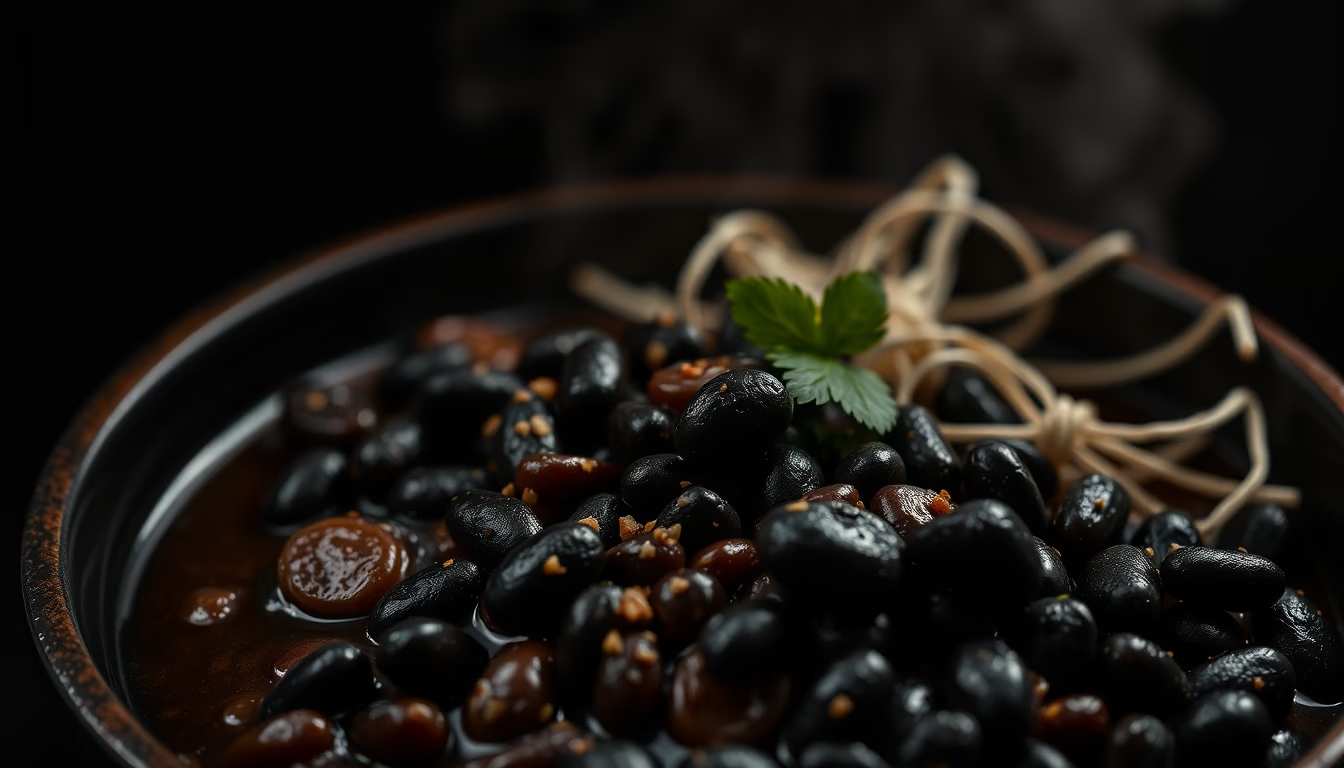
Feijoada brazilian black beans
1344×768 · AVIF · CC BY 4.0
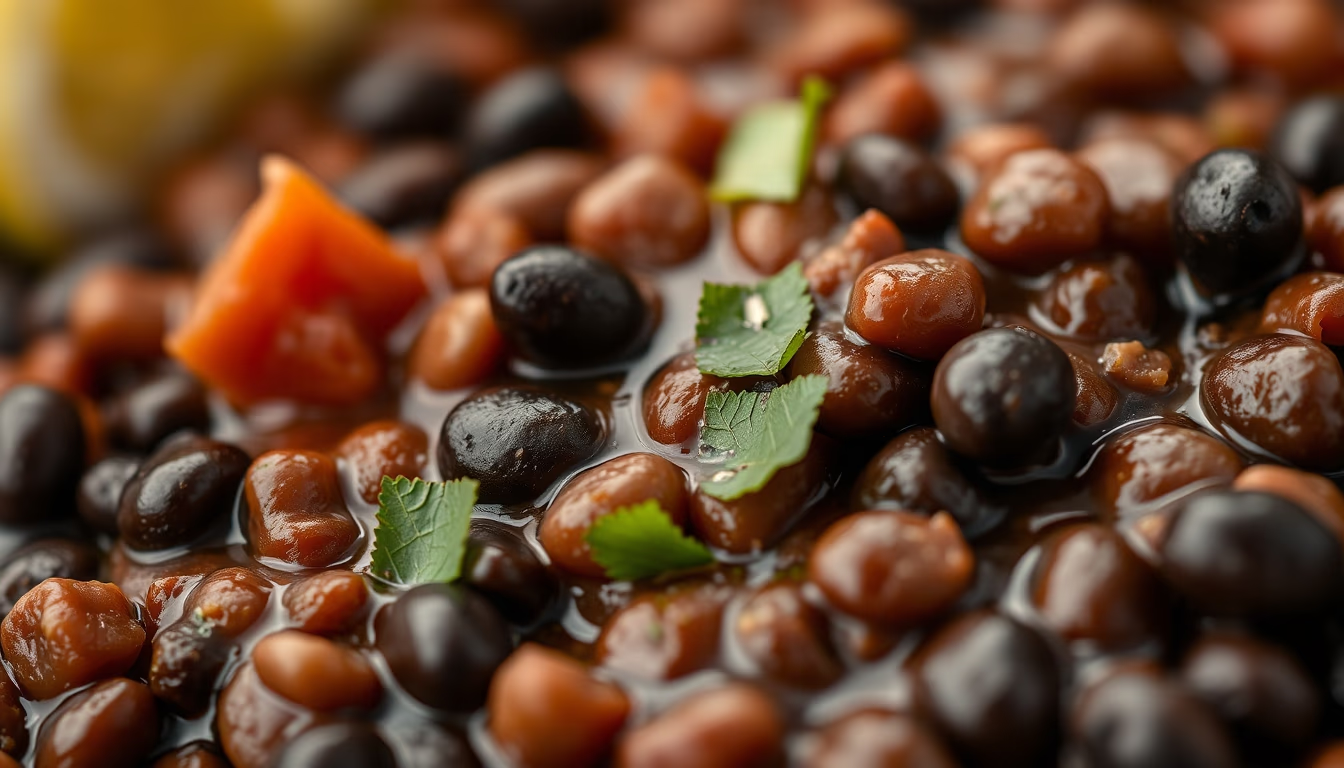
Brazilian feijoada is built upon black beans slowly cooked with smoked meats and spices. This national dish carries history and tradition.
About this subject
Feijoada is one of Brazil's most emblematic dishes, with black beans as the star ingredient. Originally associated with slave quarters and quilombos during the colonial period, it is believed to have emerged from ingredients available to enslaved people: beans, leftover salted and smoked meats, simmered for hours to create a thick, flavorful stew. Although its exact origins are debated, feijoada became a symbol of cultural integration.
Traditional preparation involves black beans, carne seca (jerked beef), pork ribs, calabresa sausage, pig's ears and tail, and seasonings like garlic, onion, bay leaf, and chili. Slow cooking in a clay or iron pot is essential for the meats to release fat and the broth to become creamy. Regional variations include the Rio-style feijoada, which is heavier on meats, and the Minas Gerais version, with tropeiro beans and pork crackling.
Culturally, feijoada is traditionally served on Wednesdays and Saturdays across the country, usually accompanied by white rice, sautéed collard greens, butter farofa, orange slices, and fresh chili. The dish is a gastronomic experience that combines contrasting textures and flavors, from the salty meats to the sweet orange. Beyond Brazil, feijoada is enjoyed in Portuguese-speaking countries like Angola and Mozambique, with local adaptations.
The black beans used in feijoada are rich in fiber, iron, and protein, making it a nutritious meal. Preparation requires soaking to reduce compounds that cause flatulence. Feijoada is so iconic that it was declared intangible cultural heritage of the state of Rio de Janeiro. In 2003, the Rio version of feijoada was registered as an intangible cultural asset by IPHAN.
Frequently Asked Questions
What is the origin of Brazilian feijoada?
Feijoada originated during the colonial period when enslaved people cooked black beans with leftover salted and smoked meats that their masters did not eat. It became a symbol of resistance and later was adopted by the elite, with nobler ingredients added.
How to prepare black beans for feijoada?
Soak the beans for 12 hours, changing the water. Cook in a pressure cooker with water, bay leaf, and garlic. Then add the pre-soaked and cooked meats and simmer over low heat for another hour, stirring occasionally.
What are the traditional side dishes for feijoada?
White rice, collard greens sautéed with garlic and salt, butter farofa, orange slices, and malagueta or dedo-de-moça chili peppers. Some also serve pork cracklings, seasoned rice, and raw finely chopped collard greens.
Direct URL
https://pub-c7d6a6ea828543ac903a74a341ccb2e1.r2.dev/imagens/feijoada-brazilian-black-beans-macro-closeup-fresh11.avifHow to credit
Include a visible link back to UtilizAí. Copy one of the snippets below:
<a href="https://xn--utiliza-eza.com/en/midia/imagens/feijoada-brazilian-black-beans-macro-closeup-fresh11">Feijoada brazilian black beans</a> by <a href="https://xn--utiliza-eza.com">UtilizAí</a>, licensed under <a href="https://creativecommons.org/licenses/by/4.0/">CC BY 4.0</a>.
[Feijoada brazilian black beans](https://xn--utiliza-eza.com/en/midia/imagens/feijoada-brazilian-black-beans-macro-closeup-fresh11) by [UtilizAí](https://xn--utiliza-eza.com), CC BY 4.0
License: CC-BY-4.0