Coffee plantation worker picking ripe coffee cherries by hand
1344×768 · AVIF · CC BY 4.0
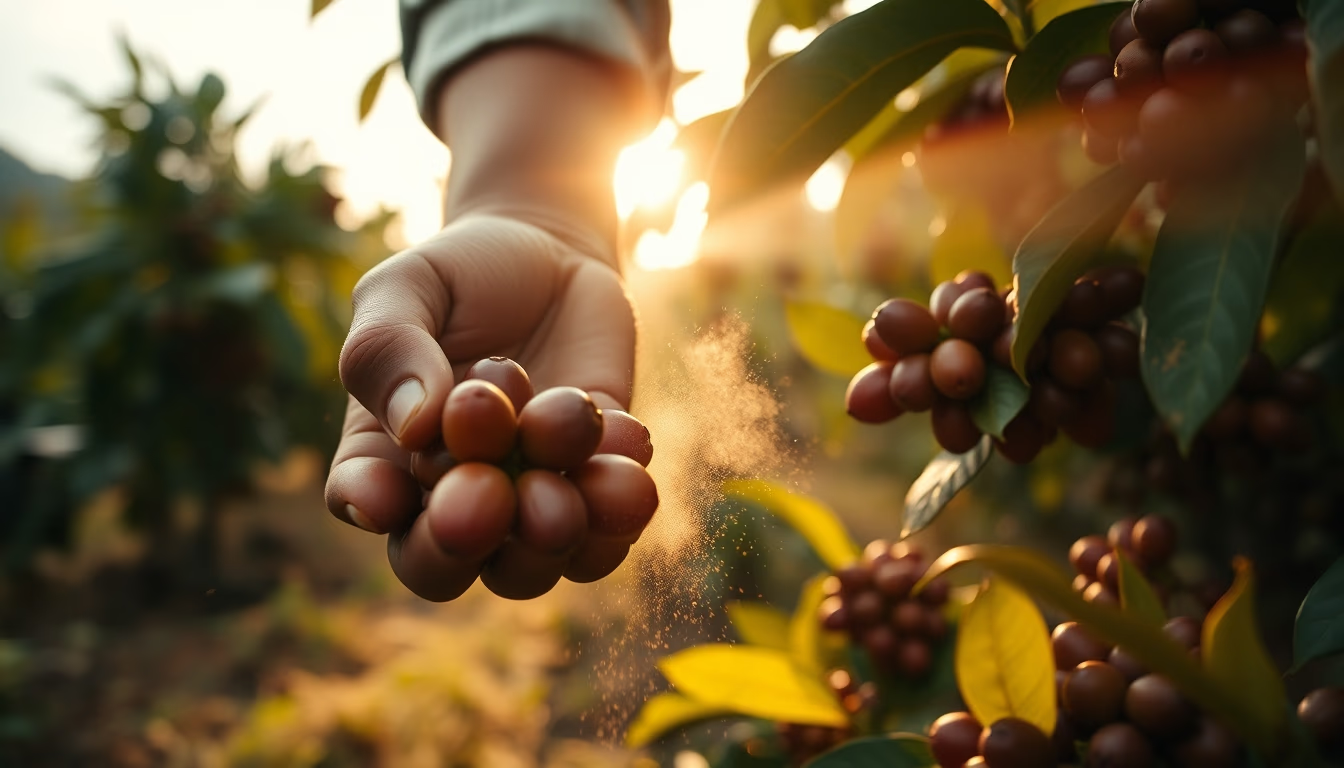
Rural worker hand-picks ripe coffee cherries on a Brazilian farm during an overcast day.
About this subject
Manual coffee harvesting is a traditional practice still prevalent in many regions of Brazil, especially in mountainous areas where uneven terrain hinders mechanization. The rural worker carefully selects ripe fruits, known as coffee cherries, ensuring the quality of the beverage. This technique allows selective picking, where only beans at the ideal ripeness are removed, while green ones remain on the tree to mature. Brazil is the world's largest producer and exporter of coffee, with harvests exceeding 50 million bags per year. The state of Minas Gerais leads national production, followed by Espírito Santo and São Paulo. Although more costly, manual harvesting is valued for specialty coffees, which require greater care in bean selection. The worker in the image uses techniques passed down through generations, balancing baskets or bags on their waist while walking through coffee rows. The overcast weather, common during harvest in southern Minas Gerais, helps preserve fruit moisture and prevents rapid dehydration. Each coffee tree can produce between 1 and 5 kilograms of coffee cherries per harvest, depending on variety and care. Brazilian coffee farming employs about 8 million people directly and indirectly, with family farming responsible for a large portion of production. Manual harvesting also contributes to social sustainability by generating rural jobs. However, mechanization is advancing in flat areas such as the Cerrado of Minas Gerais, where harvesters can process up to 10 hectares per day.
Frequently Asked Questions
Why is manual coffee harvesting important for specialty coffees?
Manual harvesting allows selecting only ripe fruits (cherries), ensuring uniformity and superior beverage quality. This is essential for specialty coffees, which require defect-free beans with a defined sensory profile.
What is the difference between coffee cherry and green coffee?
Coffee cherry is the ripe fruit, red or yellow in color, with high sugar content and balanced acidity. Green coffee is the unripe fruit, which gives an astringent and undesirable flavor to the beverage.
How long does it take for a coffee tree to start producing?
A coffee tree takes 2 to 3 years to begin commercial production, reaching peak productivity between 5 and 10 years. The economic lifespan of the plant is approximately 20 to 30 years.
Direct URL
https://pub-c7d6a6ea828543ac903a74a341ccb2e1.r2.dev/imagens/coffee-plantation-worker-picking-ripe-coffee-cherries-by-hand-editorial-overcast-daytime-2.avifHow to credit
Include a visible link back to UtilizAí. Copy one of the snippets below:
<a href="https://xn--utiliza-eza.com/en/midia/imagens/coffee-plantation-worker-picking-ripe-coffee-cherries-by-hand-editorial-overcast-daytime-2">Coffee plantation worker picking ripe coffee cherries by hand</a> by <a href="https://xn--utiliza-eza.com">UtilizAí</a>, licensed under <a href="https://creativecommons.org/licenses/by/4.0/">CC BY 4.0</a>.
[Coffee plantation worker picking ripe coffee cherries by hand](https://xn--utiliza-eza.com/en/midia/imagens/coffee-plantation-worker-picking-ripe-coffee-cherries-by-hand-editorial-overcast-daytime-2) by [UtilizAí](https://xn--utiliza-eza.com), CC BY 4.0
License: CC-BY-4.0